

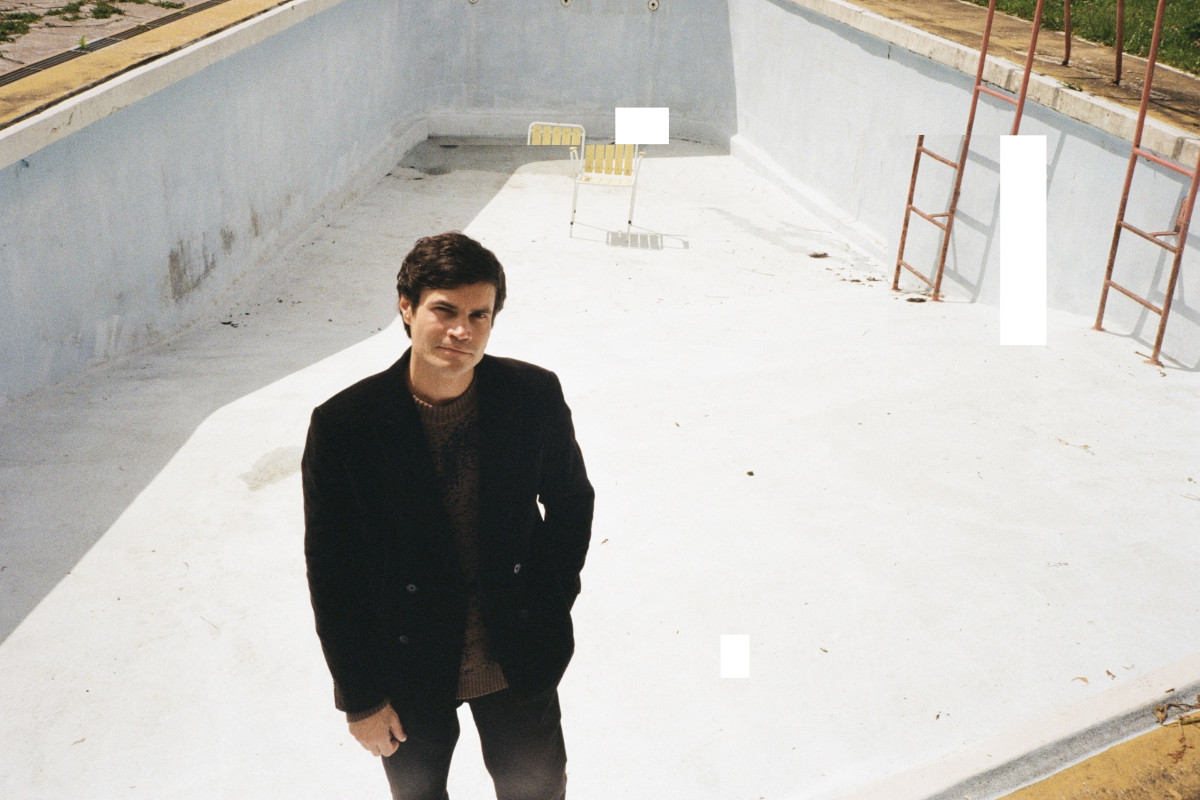
Varve – from the Danish varv – refers to the annual layers of sediment, a quiet geological archive of time’s passage. Lukas Lauermann’s album carries this meaning into its very sonic core. Here, organ and vocal samples taken from worn cassette tapes meet an inquisitive, almost ascetic cello that moves like fine strokes across a flickering, dust-filled soundscape.
The cello is restrained but never passive. It slips in and out of the cassette’s white noise, of fragmented voices and the organ’s gentle currents of air, until all elements ultimately merge into a single, organic texture. Lauermann himself describes the music as a depiction of irregularities, and it is precisely in these small shifts that Varve finds its quiet strength. The album’s idea of sonic sedimentation becomes an image of our longing to reconnect with nature’s tempo. The compositional motifs seem repetitive, yet they never repeat themselves entirely; they build layer upon layer, like organic growth. As a listener, one becomes witness to microscopic changes slowly unfolding – a process that can bring about an almost meditative state.
Varve is an album for those who prefer listening experiences at an unhurried pace; for those who find Hans Zimmer too grandiose and would rather follow the patient growth of grass than an orchestra’s emotional climaxes.