kortkritik

Doing it anyway

Mikkel Schou: Debut Concert I-II
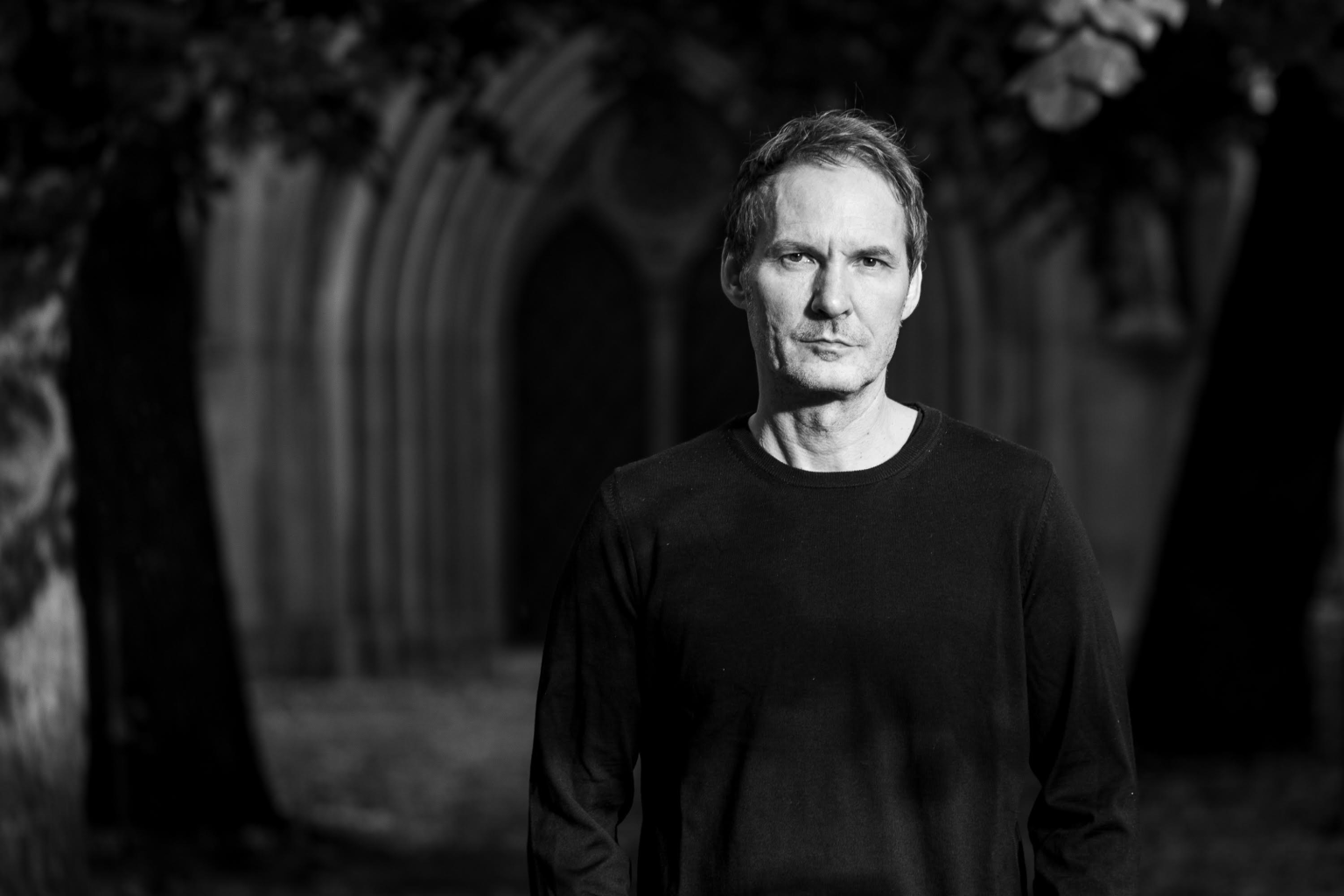
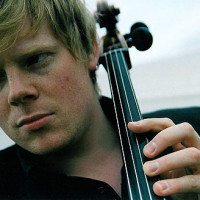
Mikkel Schou. © The Royal Danish Academy of Music
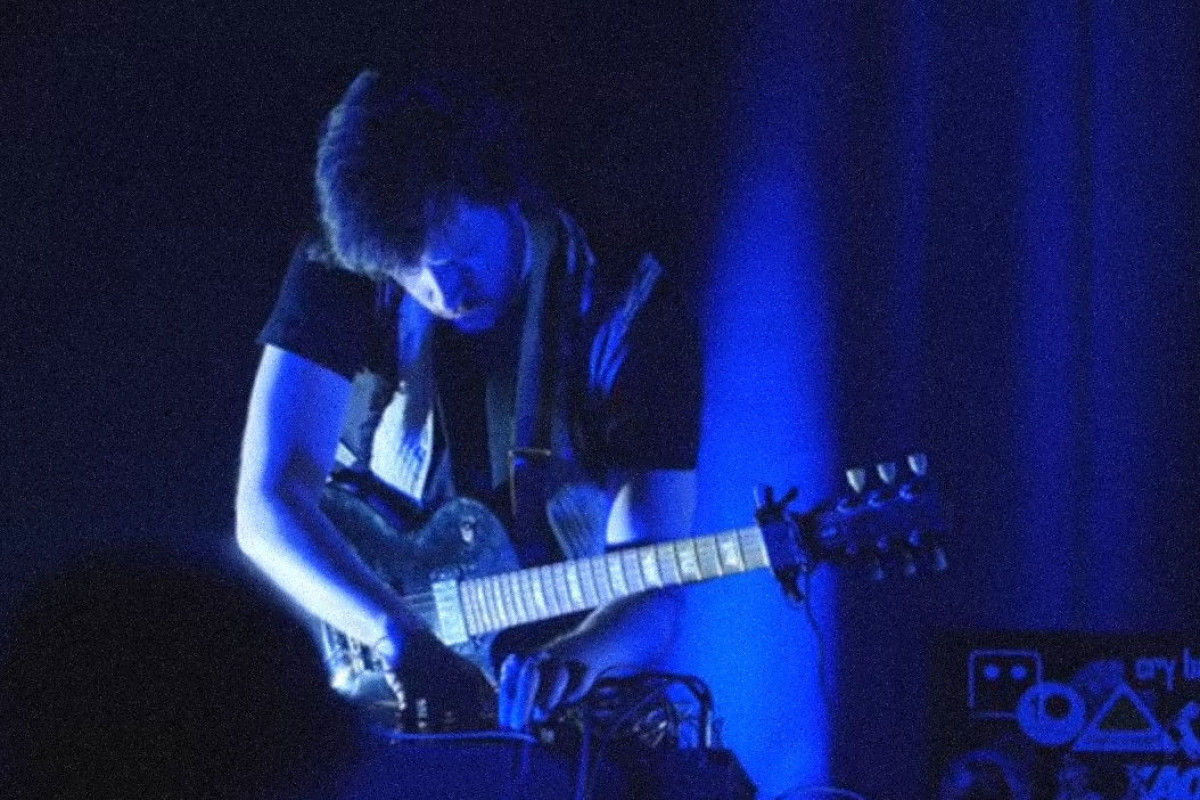
Mikkel Schou at his Debut Concert. © The Royal Danish Academy of Music
16. march

Schou is a powerhouse – unafraid to try new things, push himself in new directions, and pull us all along with him. We sorely need this energy, and we are lucky to have Schou and his do-it-anyway attitude.

But sometimes do-it-anyway needs tempering a little. Schou spoke about how he prepared this concert without guidance from his teachers. Brave, but I missed a guiding hand, a sharper focus. Both concerts were too long, and not always coherent. I sensed an artist who has defined himself by who he isn’t, but not yet by who he is.

Still, there were glimpses of a unique personality. Stefan Prins’ Generation Kill was an odd choice to start a debut concert with – Schou’s back was facing the audience, and the piece did little to highlight his skills as a performer (I also hated the piece, but that’s a personal matter). So I’m going to pretend that the concert started with Johannes Kreidler’s Guitar Piece – a vile little video-nasty to which Schou fully committed. A perfect manifesto – the absolute nerve of presenting two years of soloist class education by eating your guitar. I wish we’d had more of this playfulness.

But the energy sagged with a disparate selection of pieces that seemed more like a composer class concert than a presentation of a fresh artistic profile. Props to Schou for this – using your debut concert to focus on younger composers is bold, and should be celebrated. I just wish we’d had more Schou. My highlight was Emil Vijgen’s Photobooth Study, where Schou got to engage with his instrument in a different way, let loose a little, and be a soloist.

Schou may present himself as a force of nature, and he is, but there is an air of sensitivity (reticence, even) to his presence that does not always match up with the pieces being performed. Rob Durnin’s What, de facto could have benefitted from some more ‘fuck you’ attitude – the performance was oddly shy.

The late-night concert’s improvisation was fun: it’s always a joy to see Marcela Lucatelli and Henrik Olsson improvise (although Schou was the clear third wheel). However, the concert was overlong, and did not add much to Schou’s profile. I get that he wanted to show more sides of himself, but, again, it came at the expense of focus. Replacing Esben Nordborg Møller’s bloated Drones with Sarah Nemtsov’s lounge-jazz tinged Seven Colours from earlier would both shorten the concerts and sharpen the intention.

But these things are matters of polish. Schou is a rare and exceptional artist, and deserves accolades for his work and for these concerts. With more confidence and time to refine his vision, there is no doubt that Schou will be an essential fixture on the new music scene for years to come.

kortkritik

Musikken, der tøver – og forvandler

Lauri Supponen: »Dwell«
© Tuomas Tenkanen
© Tuomas Tenkanen
21. may

Som et abstrakt mikromanifest beskriver Lauri Supponen sin interesse for »musik, der bebor et andet rum og dvæler dér« – en invitation til at blive i øjeblikket og opdage musikken i dens stille fremkomst.

»Gaz aux étages«, det første værk på Supponens bjergtagende album, synes at afprøve denne idé, idet det udfolder sig med hviskende buestrøg blottet for tonehøjde. Det er, som om stykket selv er en slags væsen, der undrer sig over, om det mon vil vise sig at være musik, mens det tøvende undersøger sine egne bestanddele. En subtil åbning på et album, der besvarer dette spørgsmål med klarhed i det eponyme andet værk »Dwell« (spor 2–5), hvor en fascinerende mikrotonal verden udforskes. I virtuose og forbløffende præcise fortolkninger bringer guitaristen Petri Kumela og vokalisten Tuuli Lindeberg Supponens krævende firsatsede duo til live. Guitarstemmen i Dwell leder tankerne hen på den norske komponist Martin Rane Baucks Fretted with Golden Fire med sin drone-lignende mikrotonale strumming – en forbindelse, der bekræftes i albumnoterne, som afslører, at de to komponister kender hinanden og har samarbejdet med basklarinettisten Madison Greenstone.

Det opholdsrum, Supponen tilbyder i »Eau & gaz à tous les étages« og »Opus Nen«, bringer lytteren tilbage til et mere fjernt sonisk rum, der minder om albummets åbning – dog med en mere præcis kompositorisk bevidsthed. Fremført med intensitet af Madison Greenstone og barytonsaxofonisten Sikri Lehko, understreger disse værker den gennemgående fornemmelse af, at Dwell er et unikt og inspireret samarbejde.

Dansk oversættelse: Andreo Michaelo Mielczarek

Playliste

My name is Per Bloch – would you like to see my playlist?
18. may
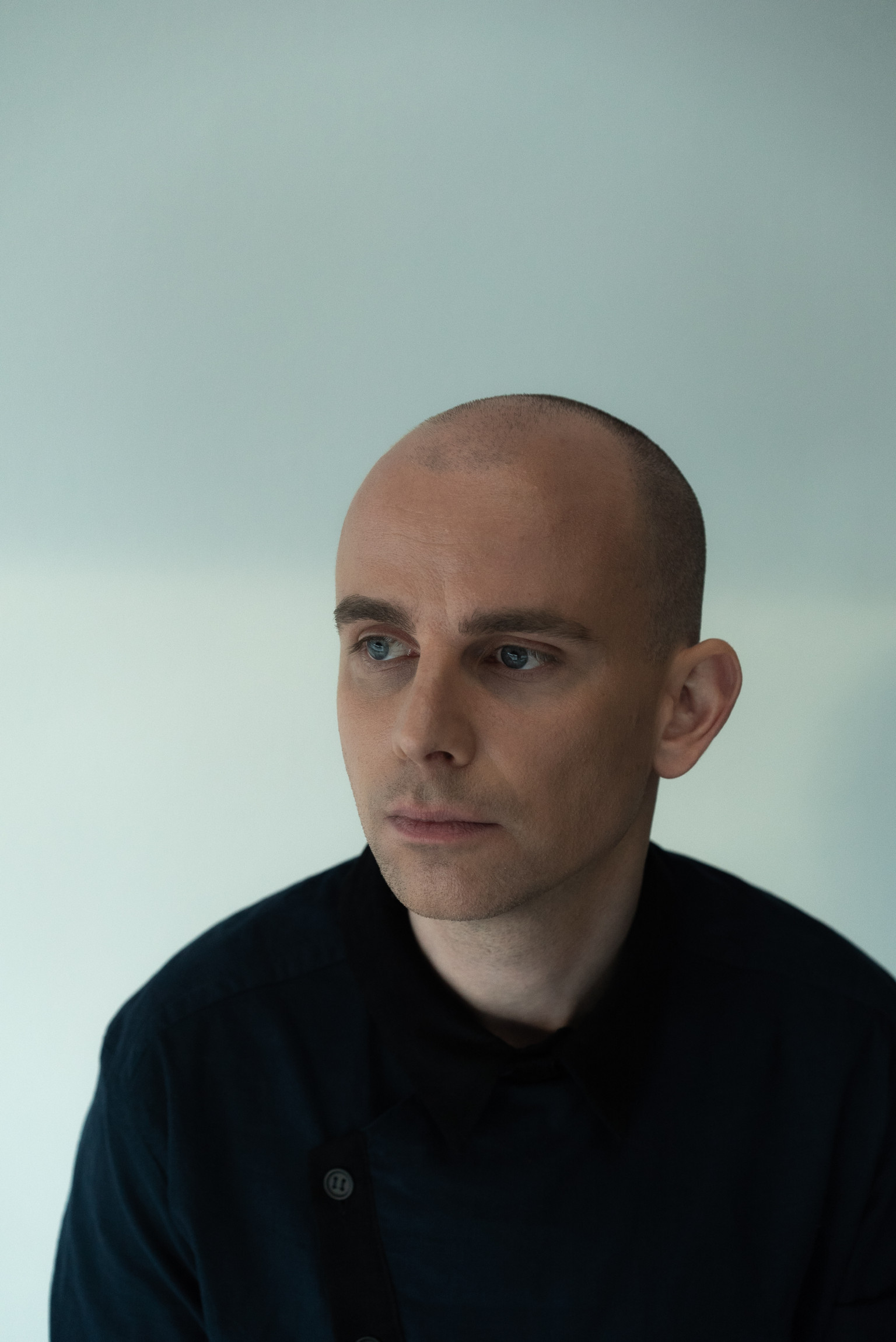
© Charlotte Lakits

»For me, music is a bridge between worlds and cultures, and it’s also a path inward – and outward. Toward new insights. Music is what I use when I meet other people, instead of talking about the weather. It’s music that gives me answers and asks the questions. Music is a release valve and the space that can hold all the unmanageable, infinite, and strange emotions in life. A space for everything I can’t seem to fit anywhere else. Music roots the airy and the ethereal. A dissolution of all that is material and tangible.

When I create music myself, I discover new paths and ingredients within me that I didn’t know I had access to. Music is the language through which one can connect with others – with or without formal training – an imaginary language, and yet so concrete that it can be touched and felt. Music is a peephole into others and a gaze that crosses the boundaries that would otherwise divide us.

For me, music is motive, excuse, and emphasis. And a pressure test between reality and fantasy. Music is balance and chaos, tonal poetry, pure lovely gibberish, ultimate perfection – and sometimes the only thing bearable to listen to.«

Per Bloch is a composer and songwriter, as well as the author of novels and children’s books accompanied by musical audiobooks. Last year, he published the children’s book Gakkelaksen og de 10.000 stjerner and the novel Rosa i al slags lys, both including sound pieces. He also released three new songs in three different languages – Greek/Danish, Faroese, and Greenlandic – as a follow-up to the album Kokoro, which consisted of eight love songs in eight different languages. In addition, he released two remixes – one of them based on the novel's soundtrack, created by the Japanese sound artist Sugai Ken.
Playliste

Mit navn er er Pernille Jensen – vil du se min playliste?

16. may
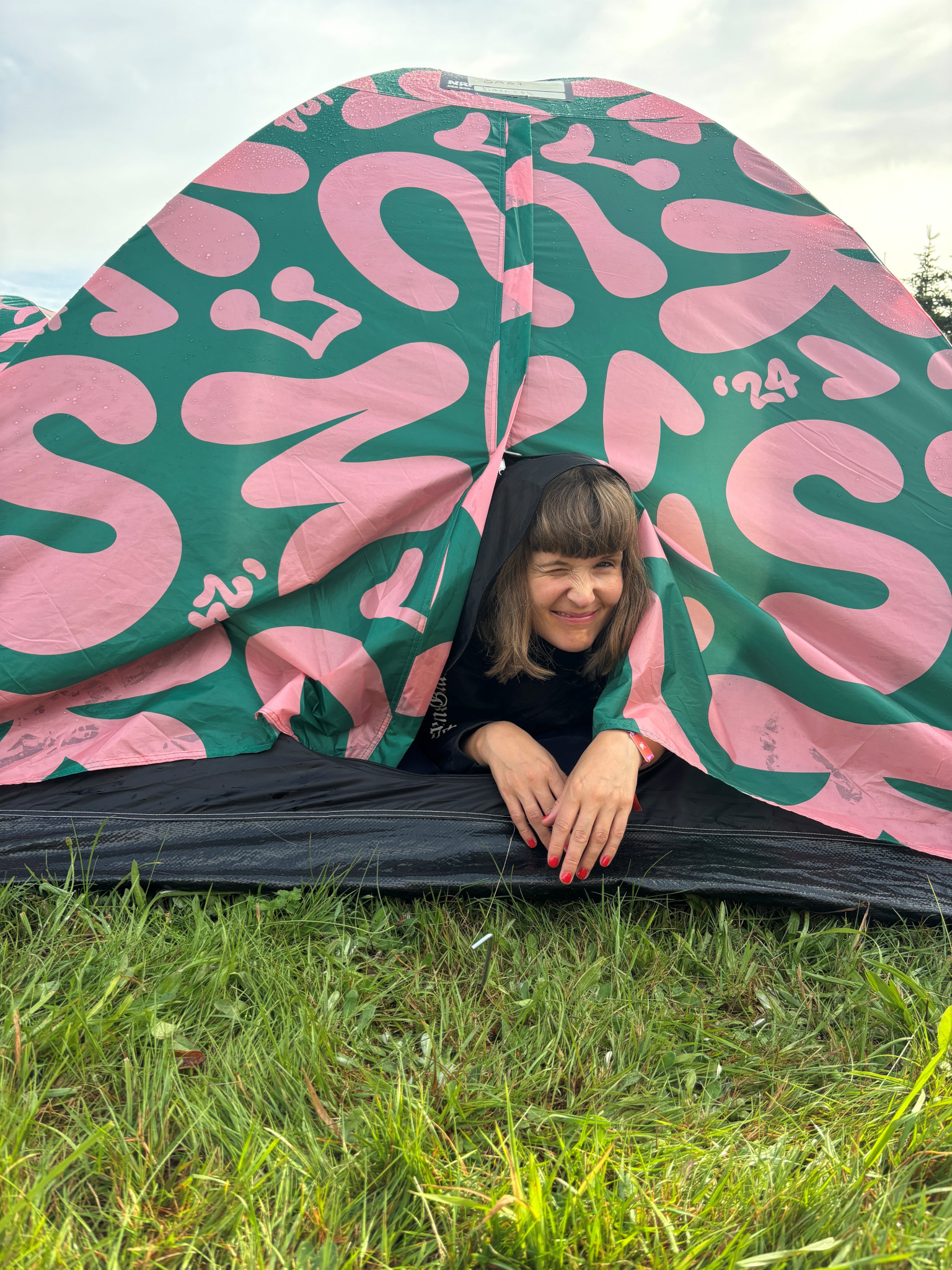
© Thomas Borberg

»Musik er min makker, og det har den været altid. Jeg er vokset op i et hjem uden klaver med en far der var kranfører og en mor der er sosu-assistent. Der var ingen stor pladesamling at gå på jagt i, og det stod ikke skrevet i nogen stjerner, at jeg skulle ende på Politiken. Vi holdt jo Det Fri Aktuelt. Men radioen var altid tændt, og jeg har kunnet trampe min egen sti igennem musikhistorien, uden forældre der slog mig oveni hovedet med deres Beatles-plader. Måske er det derfor, min musiksmag er blevet et hot mess af syrerock, streaming-konger, salsa og satan. Til gengæld jeg spiller ikke selv. Det er min lille gave til alle jer andre.«

Pernille Jensen (f. 1984) er musikanmelder på Politiken. Hun begyndte at skrive for musiktidsskriftet Geiger i 2004, og har siden skrevet for Undertoner og Soundvenue, før hun kom til Politiken i 2011.

Playliste

Mit navn er Telestjernen – vil du se min playliste?

10. may
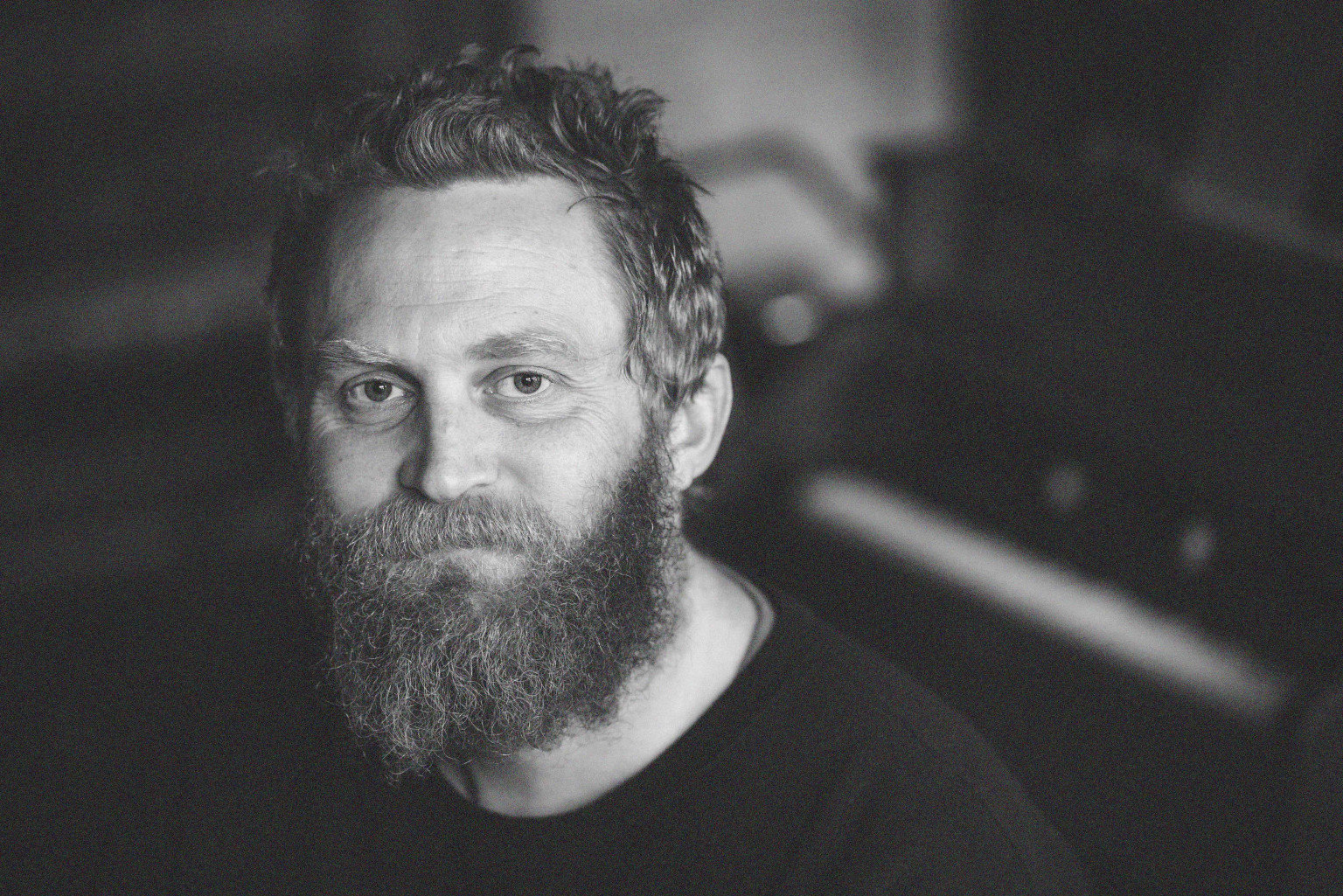
© Jane Gisselman

»Musik er for mig minder, følelser og oplevelser i – og af – verden. Men den handler lige så meget om at sætte noget i gang og måske – mest af alt – om at holde fast i den frie leg. At lege med andre! Og i den leg kan man proppe hvad som helst: provokationer, fortællinger, der binder os sammen som folk, åndssvage lyde fra jordbærfarvede orgler, rytmebokse af træ og strengeinstrumenter fra en nedlagt centralskole, og meget mere. Når man laver musik, ender det ofte med noget fysisk, man kan stå med i hånden og sige: ‘Det her kom inde fra mit hoved, men nu findes det fandme i virkeligheden – her, på vinyl!’ Og i morgen, du kære kaffekop, går turen i øveren, hvor vi spiller det med mit orkester. For musikken skal ud i verden. På nye eventyr. Sammen med os. Det kan musikken – og jeg – sammen. Det giver en vidunderlig følelse af frihed. Og det er en rar måde at være i verden på. Til alle tider.«

Rasmus Mørup Johansen (f. 1977) – bedre kendt som Telestjernen, men også som protestsangeren Rasmus Johansen fra Fly (tre albums) – er dansksproget sangskriver og musikalsk igangsætter. Han har desuden medvirket i sangskriverkollektiverne Keminova Cowboys og Arctic Assembly (ét album med hver). Ved siden af sit virke som sangskriver og fællesskabsbygger laver han også børnemusik til og med den lokale cirkusklub, Cirkus Højdeskræk. Herudover har han lavet musik med Onkel Reje, børneorkestre og børn fra hele landet. Aktuelt er Telestjernen ude med sit syvende album, Kultfilm fra Karup.

Playliste

My name is Sven Helbig – would you like to see my playlist?

9. may
© PR

»Every moment is nothing but the uttermost end of the past. Music makes this edge wide and beautiful.«

Sven Helbig is a German composer and producer known for combining orchestral and choral music with electronic elements and a strong poetic sensibility. A self-taught musician raised in Eisenhüttenstadt, he released his debut album Pocket Symphonies on Deutsche Grammophon to critical acclaim for its emotional depth and formal precision. Helbig has collaborated with ensembles such as the BBC Singers, Fauré Quartett, and Staatskapelle Dresden, as well as with artists like Rammstein and the Pet Shop Boys. He just released REQUIEM A on Deutsche Grammophon. It is a deeply personal and reflective composition, intertwining classical Latin liturgical texts with new ones written by Helbig himself. The work revolves around themes of loss, memory, and the possibility of renewal – with the »A« in the title symbolizing Anfang (beginning) and the belief in a new start after devastation.