Støvet ville ikke lægge sig på de orgler
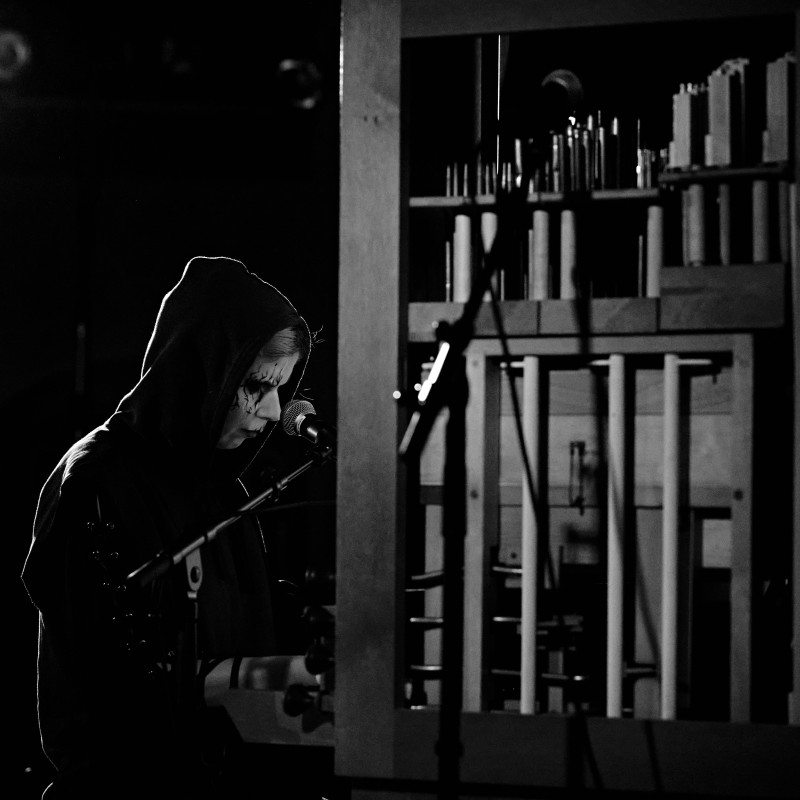
I disse dage afholdes Organ Sound Art Festival i deres vante rammer i KoncertKirken, og i går løb festivalens dag to af stablen. Koncerten begyndte med genopførelser af Mads Emil Dreyer Vidder 1 og 4 samt et nyskrevet interlude for pumpeorgel, husorgel, keys og basfløjte – alle instrumenter var forstærket. Således tilslørede Dreyer, hvor lydene kom fra og fik skabt et smukt spil mellem det akustiske, det forstærkede og afspillede. Var det fløjten eller orglet, jeg hørte? Og kom lyden fra et instrument eller en højttaler? Musikken bar præg af dronemusik, med smukke dissonanser og en tonaludvikling, der lejlighedsvis tittede frem. Bedårende og dragende.
I den næste performance havde den tyske duo Gamut inc. udstyret kirkens orgel med to robotter, så en computer kunne styre instrumentet. Desværre var jeg i tvivl, om robotterne var ordentligt kalibreret, eller om musikken var skrevet til et kirkerum med betydeligt mere rumklang. Det lød i hvert fald »MIDI-dødt« – lidt som en fjollet »piano-roll«-video af et obskurt serielt værk
Duoen Aron Dahl & Mija Milovic sluttede med musik, der med sin ømhed og ærlighed kunne minde om The xx, hvis den britiske indierockgruppe altså spillede på ustemte husorgler. Dog blev musikken lidt ensformig, og deres set-up fremstod uudnyttet.
Den lidt blandede oplevelse med aftenens program ændrer ikke ved, at Organ Sound Art Festival er en stemningsfuld, ambitiøs festival, der tør tage chancer, når de præsenterer os for nye værker for et instrument, som mange stadig forbinder med gamle dage. Denne københavnske festival er alt andet end støvet.
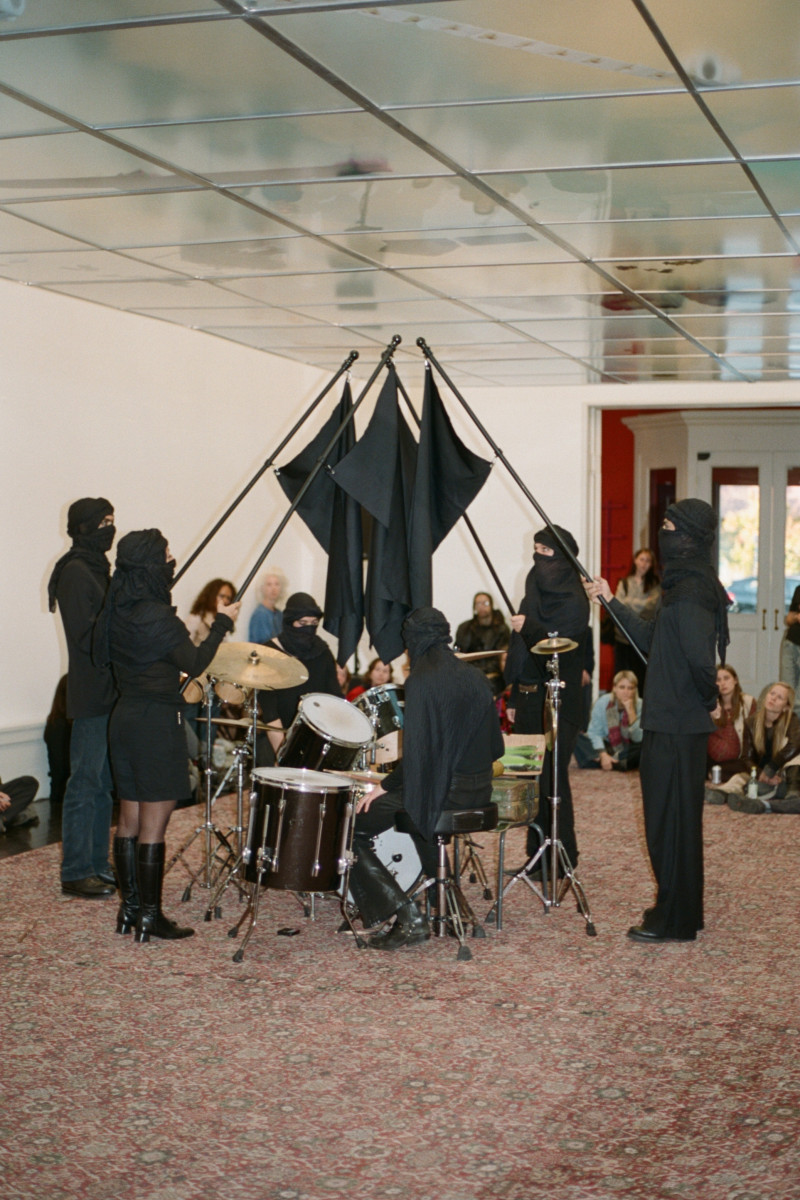
Illiyeen is visual artist Eliyah Mesayer’s fictional state for the stateless, a group to which the artist herself belonged until just a few years ago. Since 2019, she has continuously added national symbols in Illiyeen’s characteristic black color, and today the state has its own postal service, national anthem, uniform, navy – and a steadily expanding list of collaborators.
It’s a clever concept, at once tightly defined and completely open. Because the state is nomadic and collective, it can arise anywhere and include a wider circle of like-minded artists, such as Angel Wei from Haloplus+ and the poet Zahna Siham Benamour. It is a state of mind.
At Den Frie, it was the drum duo Thicket – Adam »CCsquele« Nielsen and Dan Kjær Nielsen – who performed from opposite sides of a split drum kit. Through an improvised drum solo so energetic that drumsticks flew through the air, they explored the shared rhythm that emerged, broke apart, and shifted character along the way. A fitting symbol of Illiyeen’s community: a constant negotiation and coordination of tempo and movement.
Along the way, the toms gave way to a recorded sound piece, a spherical electronic composition with subdued spoken word woven into the soundscape. The work originated from an earlier installation but was extended for the occasion, with added acoustic elements recorded by Cæcilie Trier and Xenia Xamanek. It carried a mournful, sensitive vibe that stood in sharp contrast to the thundering intensity of the drums. Mesayer’s poetic, black-clad universe and Thicket’s simultaneously tight and improvisational energy bursts blended perfectly into a community one longed to be part of.
English translation: Andreo Michaelo Mielzcarek
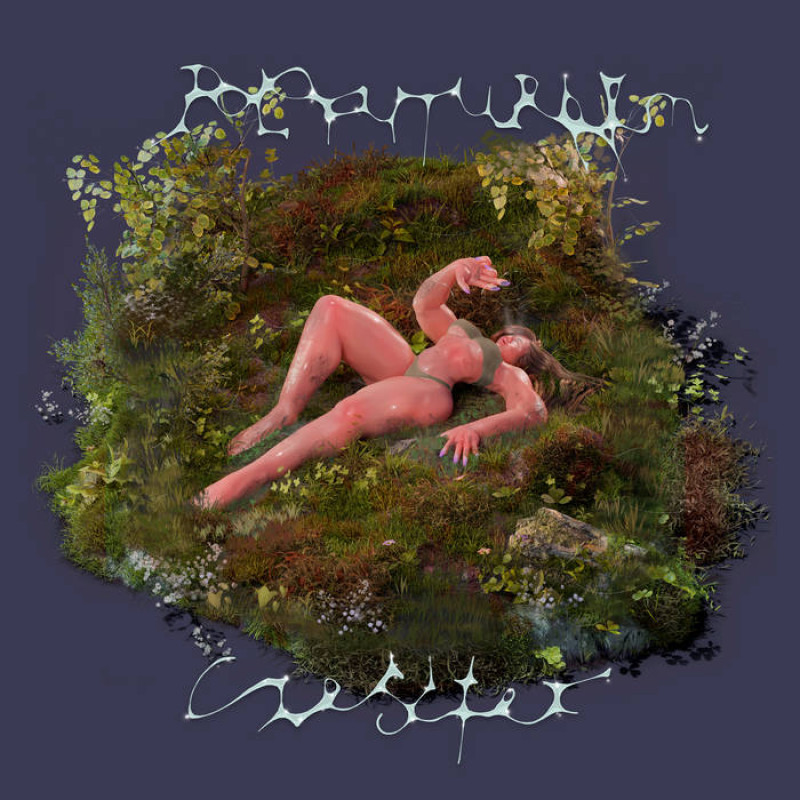
Polish-born Szymon Gąsiorek has done it again – created a cornucopia of an album that both overwhelms and delights with its endless wealth of eclectic ideas, styles, and sound sources. As is often the case with this kind of release, where each track has its own distinct identity, personal favorites quickly emerge.
One clear favorite announces itself right away. The opening track, »TAK TAK NIE NIE«, explodes with an energy reminiscent of early Boredoms – a heavy dose of noise rock with shouted vocals, electric guitar, saxophone, gunshots, screams, synths, piano, and more. The third track, »STRACH LĘK NIEPOKÓJ«, also shines with a zeuhl-like momentum driven by militaristic vocals, insistent drums, jagged guitar, and saxophone. And even beyond the most immediately impressive tracks, Polofuturyzm is so packed with highlights and playful surprises that even half of it would have sufficed. Take, for example, »90s [NADZIEJA]«, featuring a trancey synth quickly and effectively sabotaged by free jazz-style drums and saxophone, or »JEDNOKIERUNKOWY«, which sounds like classic disco polo thrown in a blender and mixed with pitch-shifted vocals and clubby keyboards. Not to forget the eight-second slapstick piano flourish on »RĘCE«.
Polofuturyzm is driven by a manic refusal to ever look back. The only constant is the absence of consistency. Gąsiorek has been here before, but it still feels just as radical and refreshing.
English translation: Andreo Michaelo Mielczarek
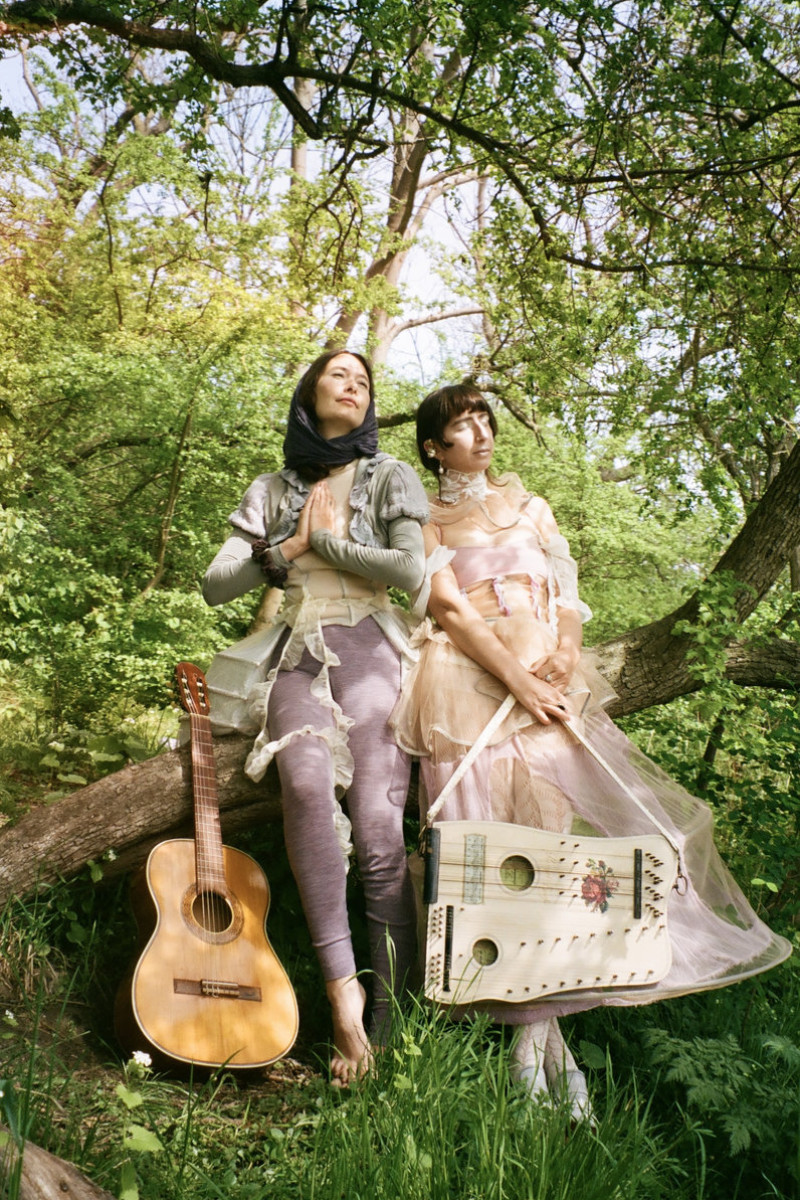
While Sofie Birch and Antonina Nowacka’s joint debut album Languoria, with its synth-laden sound, felt like a dream of another world, their second album comes across more as a window into a bygone time. The electronic elements have stepped into the background in favour of acoustic timbres from sitar, guitar and harp, lending the music a warmer, more grounded character. A fine example is the title track, where a gently trickling stream forms a backdrop for a relaxed dialogue between sitar, guitar and voices that shift between singing and humming. There’s a clear connection to the simple melodies of folk music and those little fragments one might find oneself humming in the kitchen while the kettle boils. It is precisely this personal and inviting tone that makes the composition so effective. The track »Nøkken« likewise testifies to the strength of Birch and Nowacka’s songwriting. With its sparse instrumentation, gentle melody and carefully balanced reverb, the piece brings out the best in their voices and appears almost weightless – transparent and ephemeral.
Together, the Danish-Polish duo create music for those who dream of another time and place – not because they necessarily wish to escape their present reality, but because the quiet moments of daydreaming are full of calm, comfort and enchantment. At times, however, the sense of security takes over slightly, and one misses something to challenge the stillness – like the more prominent synths did on their debut. But for those in the mood for unpretentious beauty and quiet reverie, Hiraeth remains a strong release from two continually compelling voices in the ambient genre.
English translation: Andreo Michaelo Mielczarek
Composition for Stone Walls
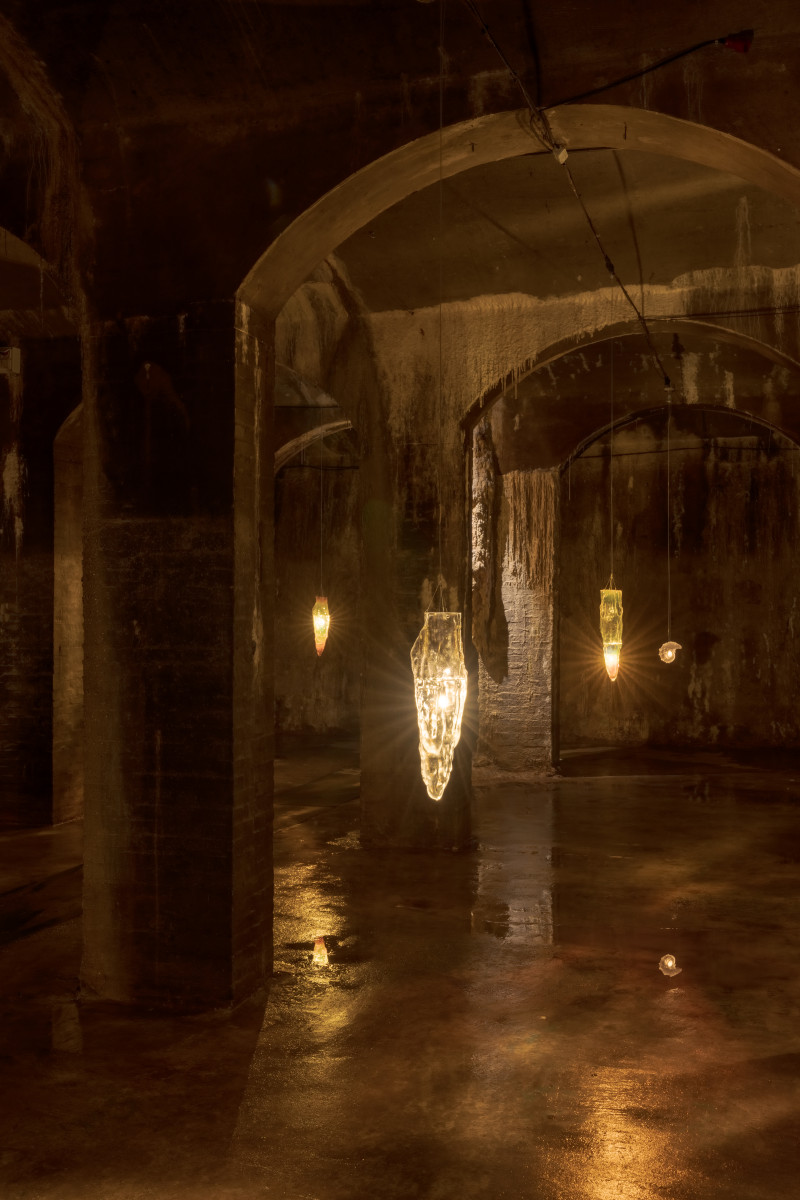
The contrast is striking when, on the hottest day of the year, you step down from the green lawns of Søndermarken into the underground world of the Cisterns, Copenhagen’s old water reservoir. The humidity is high, the light sparse, and stalactites hang from the vaulted ceilings, casting shadows in the puddles on the floor. And then there is the sound: in the empty columned halls, the reverberation can last up to 17 seconds. Even the slightest scrape echoes down here.
Since 2016, the Cisterns have functioned as an exhibition space, and this year Jakob Kudsk Steensen has transformed the halls into an underwater landscape of video projections, sculptural objects, and a soundscape created by Lugh O’Neill featuring Bjarke Mogensen on accordion. Mogensen, who is performing this evening, has a versatile taste. Perhaps a bit too versatile, I think to myself as I read the evening’s program, which spans from Bach to folk melodies from Bornholm. It turns out to hold together better than one might expect. These are compositions that seem to stretch time itself, where long tones – amplified and extended by the reverberation – form a murky foundation for short, pearling attacks, like marble balls ricocheting off a stone wall.
A shimmering, sorrowful composition by Nick Martin, inspired by Michelangelo’s Pietà – marble again – is followed by a meditation on echo among the cliffs of Bornholm by Frederiksberg-based composer Martin Lohse. Another piece rises slender and sacred like high vaults, while Mogensen’s own Passage crackles, snaps, and crunches like stones being broken. Mogensen’s accordion is in constant dialogue with the space; he calls, and the dark colonnades answer back – or is it the other way around?
The audience sits petrified, completely absorbed in the sound, as Mogensen masterfully makes his instrument sound like everything from a rapid breath to a thunderclap. When we finally emerge, heavy clouds hang over Søndermarken, and the heat is gone. The park feels transformed. The contrast is tangible.
English translation: Andreo Michaelo Mielczarek
Kristine Tjøgersen Crafts Unreasonably Beautiful Eco-Poetry

The wildlife of nature is both beautiful and playful – especially in Kristine Tjøgersen’s music. At the center of her new album Night Lives is the wild, unpredictable life of the night beyond the human domain. The album was created as part of the Ernst von Siemens Prize, which Tjøgersen recently received as the first Norwegian composer ever to do so.
The album is a seven-movement sonic version extracted from a staged work premiered at the Ultima Festival in 2023, and it works perfectly well as a standalone, semi-acoustic version performed by the Cikada Ensemble. The music ranges from playful, experimental, rhythmical soundscapes—full of rattling and crackling instruments – to intense, pulsating passages. Tjøgersen possesses a uniquely sensitive understanding of instrumental timbre, allowing her to morph seamlessly between acoustic and electronic worlds, cultural environments, and eras. From a simple, extended flute solo to a dancing computer universe – without blinking an eye.
Forty to fifty years ago, it was called postmodernism when old music appeared in new compositions as reused material. Back then, it made sense because many people had a mental library of historical classical music, a reflective space in which all new music was interpreted. Today, audiences’ minds are different. For example, Kristine Tjøgersen can easily use a completely straightforward Baroque movement as the album’s conclusion – serving as a starting point for music that gradually thins out and dissolves into a stunningly beautiful utopian world of acoustic strings and synthesizer. Without making you feel she is negotiating your sense of past and present. Natural sounds, imitations of nature, harmonies, and entire sequences are simply building blocks in her personal experimental lab. And what a lab it is!
English translation: Andreo Michaelo Mielczarek