kortkritik

When Orpheus Turns His Head

O Future: Enter Afterlife
© PR
© PR
27. may

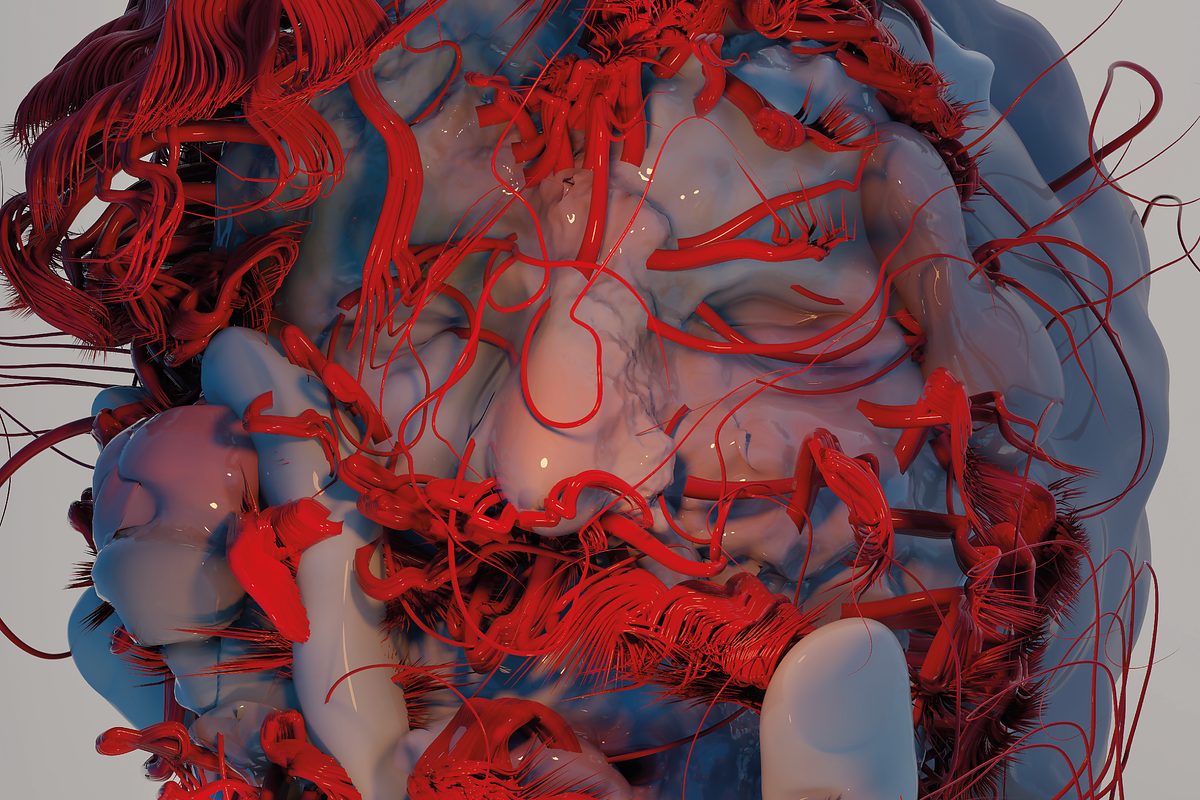
Thorvaldsens Museum is a fitting place to unfold a narrative about the soul’s journey to the underworld. Not only are the halls filled with depictions of Greek mythology, the museum itself is a kind of mausoleum, with Bertel Thorvaldsen’s grave situated at the heart of an inner courtyard. Everything should align perfectly when the multimedia duo O Future stages the descent into Hades through sound and animated video projections. But it doesn’t.

Through eight rooms and five sound works, we move from the banks of the River Styx, through the underworld, and finally to Elysium, where the blissful afterlife awaits. Along the way, we are confronted with judgment, choice, and struggle – existential themes played out on the grandest scale. The electronic soundscape, delivered through headphones, begins with a simmering, oppressive digital lament and accelerates through the rooms to a heavy electronic beat layered with symphonic undertones. We hear jazzy saxophones, looped synths, and white noise, before safely arriving in a spherical, almost sacred, digital choir.

There’s an intriguing theme in the collision between digital voices and the idea of death, but it is drowned out by the many loose ends of the exhibition. Why, for instance, is there no synchronicity between sound and visuals? Why are videos consistently projected onto sculptures that bear no relation to Greek mythology? And why the oddly synthetic color palette that evokes 1990s MTV more than it does the vast drama the story seeks to evoke? I hurriedly close my eyes and try to focus on the beat – but it’s too late. Orpheus has turned his head, and Eurydice is lost. So is this exhibition.

English translation: Andreo Michaelo Mielczarek

Playliste

My name is Mike Sheridan – would you like to see my playlist?

18. november
© Andre Hansen

»To me, music is about everything else.«

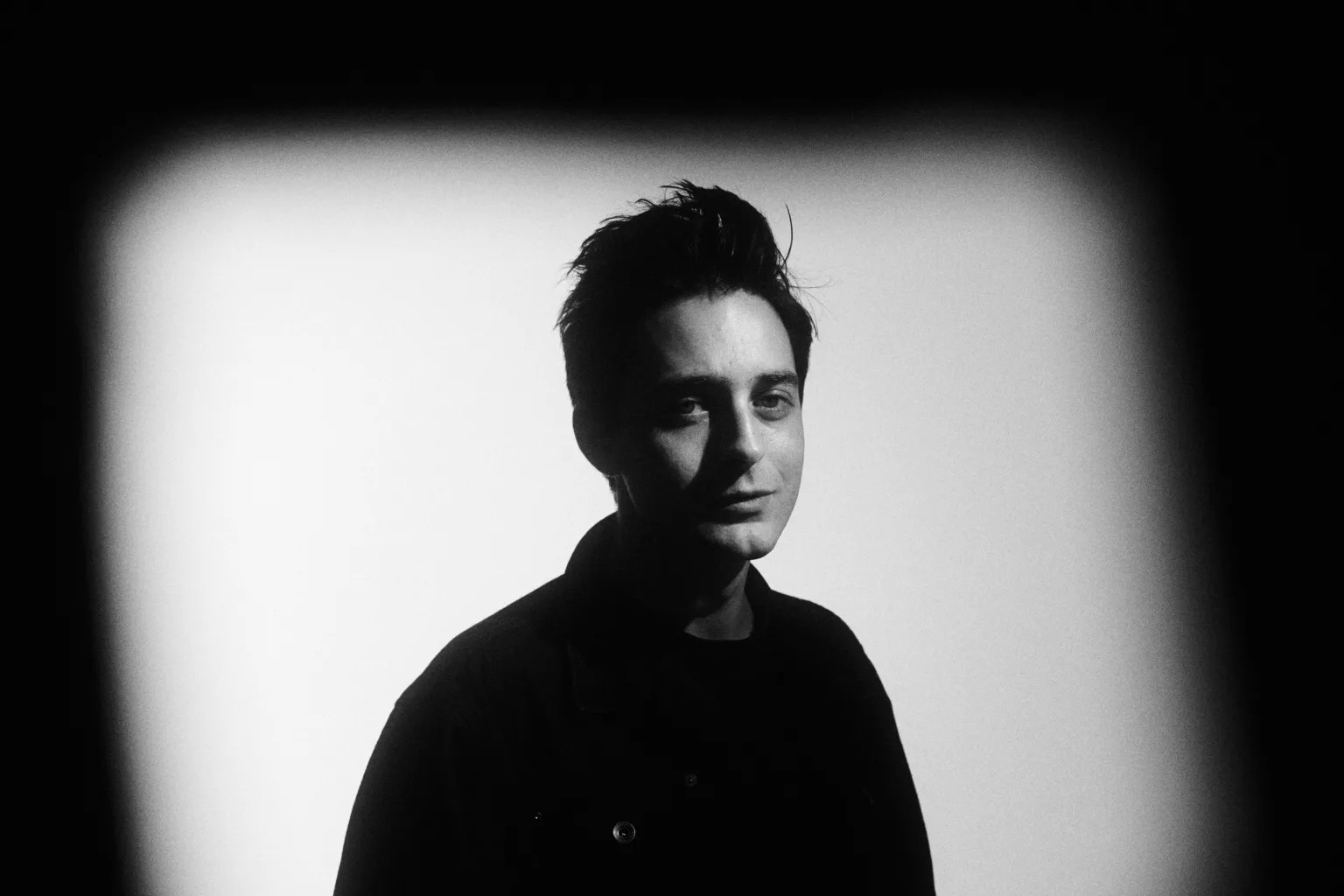
Mike Sheridan has been a part of the Copenhagen electronic musicscene since the mid 00’s. He entered the scene, barely in his teens, with his landmark debut album I Syv Sind (In Two Minds, 2008). Sheridan traced an ambient and dreamy approach, and with limited tools at hand, he constructed a teenage masterwork that few could have predicted. Among the first in his generation, Mike Sheridan launched his career to high acclaim, effectively crossing over to mainstream audiences.

Recent projects includes featuring on techno artist KÔLSCH’s album Isopolis (2021) and performances in Nicolai Howalt’s exhibhition A Journey: The Near Future at Gallery Martin Asbæk (2022). Yesterday Sherian released the album Atmospherics

kortkritik

Voldsomt charmerende Volvo  

Kresten Osgood: »Kresten Osgood & De Udeboende« 
© PR
© PR

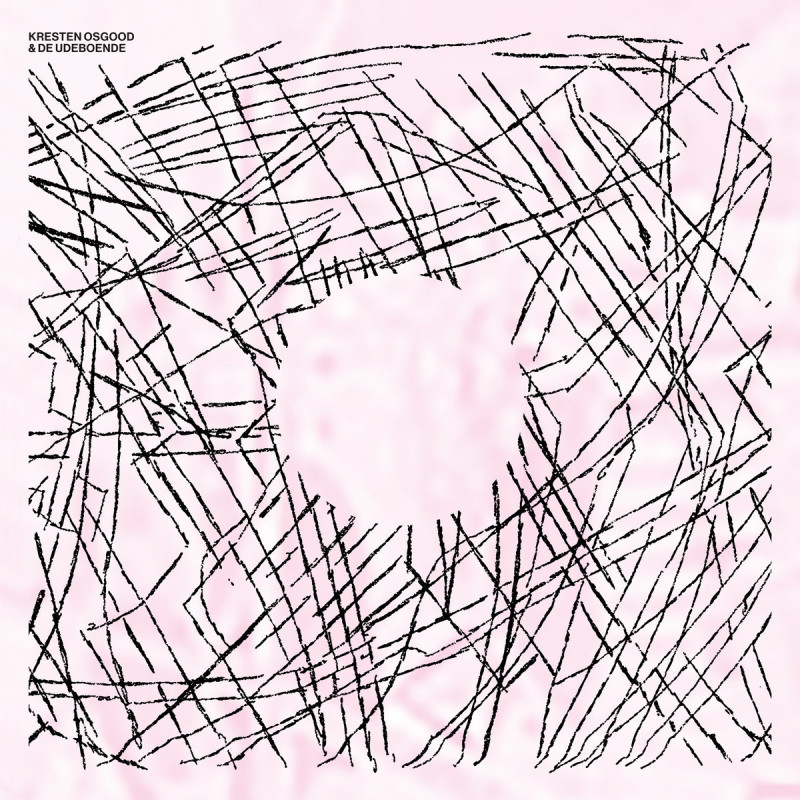
Danmarks måske mest produktive musiker Kresten Osgood og hans 20 medlemmer stærke ensemble De Udeboende præsenterer med dette selvbetitlede album en liveoptagelse fra den aarhusianske Spot Festival. Koncerten er helt tilbage fra 2008, men det var øjensynligt en koncert, der – ligesom Osgood selv har ry for – stak i alle retninger.

Først fire covers. En skramlende, percussiontung version af »Voldsom Volvo«, så Gary Bartz’ »Celestial Blues« med Osgood på charmerende danglish-vokal og hvinende saxofoner, der i et spændende midterstykke truer med at få det hele til at falde fra hinanden, indtil en rytmisk elguitar trækker nummeret tilbage fra afgrunden. Bill Fays »I Hear You Calling« sætter tempoet ned, indtil »In the Army Now« skaber fællessangsstemning med kor og akustisk instrumentering.

Herefter begynder de originale kompositioner. En fortælling om Edalf, der på sin løbetur i middelklassedanmark anno 19XX er ved at skide i bukserne, dernæst »Det betyder jo så meget«, en sjov, men i virkeligheden også trist ode til dem i Osgoods omgangskreds, der måske tager en kende for meget coke. Sidst, men på ingen måde mindst, kommer »Deportivo La Coruña« med ultrakiksede synths, trommemaskiner og lyrik, og, som glasuren på kiksekagen, hammondorgelsolo.

Osgood og De Udeboende kommer således virkelig vidt omkring både genrer og stemninger med en sprudlende livs- og spilleglæde. Det er befriende rodet, kaotisk og fuldt af gode vibes. Hvad der mangler af rød tråd, kompenseres der mere end rigeligt for med ubestridt charme.

Playliste

My name is Lucky Lo – would you like to see my playlist?

6. november
© Benjamin Tarp

»I play music to connect people and I sing melodies to encourage community. I believe in the transformative power of music and love.«

Lucky Lo's (Lo Ersare) mission is to unite people through music by shining a light on the dark sides of life and transforming our struggles and worries into joy and hope. In a time  where mental illness is described as Denmark’s biggest public disease, Lucky Lo sees music as a vital tool for processing the challenges we face throughout life. 

She was awarded Talent of the Year at the Danish music publisher’s awards, Carl Prisen, and the Swedish music critic's award, Skaps Prisen. Her recent album bears the title The Big Feel.

Playliste

My name is Johannes Sigurdsen – would you like to see my playlist?

30. october
© PR

»For me music is emotions, life, love and language. Food is like music, we can't avoid it, we strive for it because we need it. Music is art in past, present and future, it will always evolve in time – but at the same time timeless as well. Music stands where words fail.« 

Johannes Sigurdsen is among the 13 artists nominated for the Nordic Council Music Prize 2023. Sigurdsen is from Nuuk, Greenland. Raised in Ikerasak. Self taught musician, guitarist, singer songwriter and music teacher. His nickname SIGU is also his artist name. SIGU is abbrevation of his last name: Sigurdsen. SIGU published his debut album Ujartaraat Qaamaneq in May 2022. He is recently student in Master of Music in pedagogical developement in RMC, Copenhagen. 

kortkritik

Ukraine – og Gaza? – på kanten af scenen

Copenhagen Phil: Afgørende øjeblikke #6: »Stemmer fra Ukraine« – Henryk Górecki: 3. symfoni (Symfonia pieśni żałosnych/Symphony of Sorrowful Songs)
© Kim Matthäi Leland
30. october

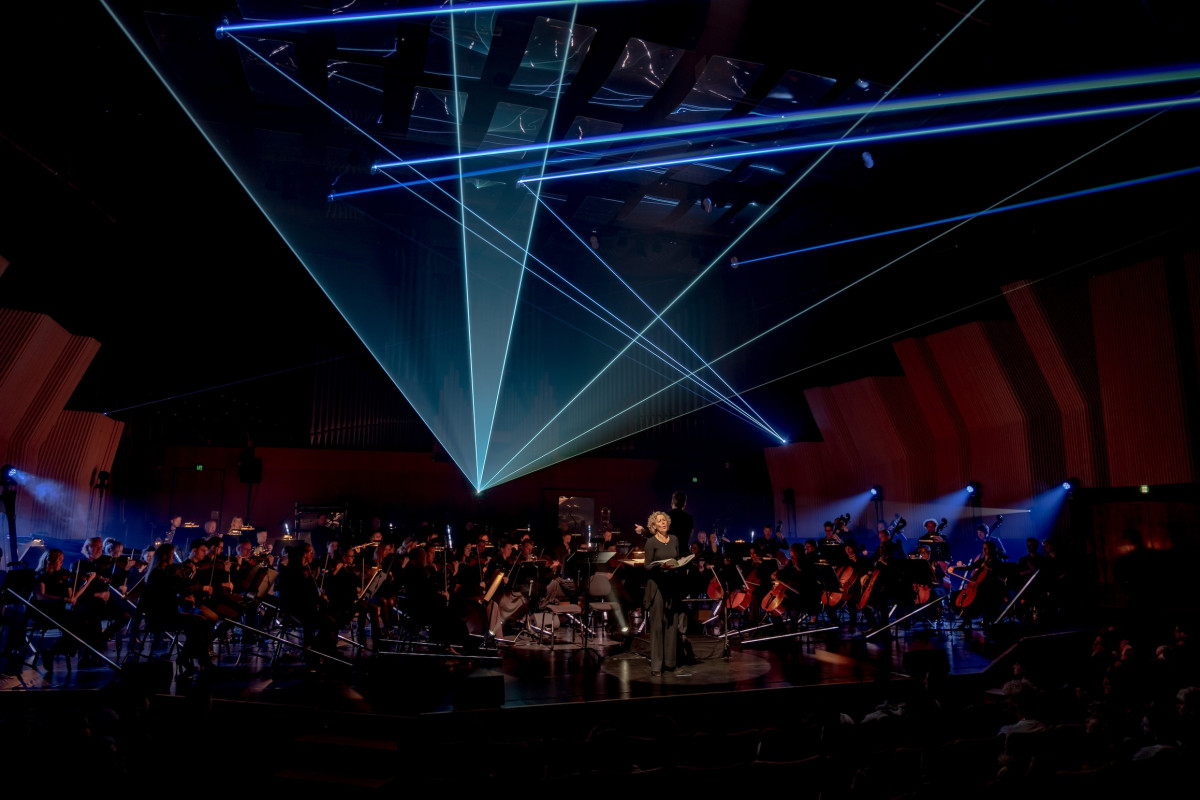
Den tykke scenerøg begyndte allerede før koncerten at sive fra scenen ud i balkonfoyeren. Den slørede mit blik, men gjorde min hørelse desto skarpere. Og jeg var tydeligvis ikke den eneste: Publikum lyttede sjældent koncentreret, undervejs iblandet snøften og undertrykt gråd. 

Polske Henryk Góreckis 3. symfoni fra 1976 er et hovedværk inden for den neo-tonale og neo-minimalistiske østeuropæiske tradition fra Estland til Georgien. Værket er lige så inderligt, lige så smukt i al sin monumentale langsomhed, som det er stramt konciperet. Et værk, der i Giordano Bellincampis og orkestrets sikre hænder, og med en fænomenalt velsyngende og -agerende Henriette Bonde-Hansen, lød præcis, som jeg havde håbet på.

Et enkelt dramaturgisk greb udvidede rammerne for værket og skabte endnu mere nærvær: I tre lange blokke, én før hver af værkets tre satser, fremsagde fem skuespillere på skift rystende, men ikke unødigt udpenslende, skildringer fra krigen i Ukraine. Det kunne sagtens have været Gaza.

Henimod slutningen dukkede værkets første håbefulde passage op – som om den uduelige menneskehed, der er dumpet så utrolig mange gange før, måske alligevel engang vil kunne bestå Guds store eksamen. Netop her tog Henriette Bonde-Hansen sin node i hånden og gik helt ud på kanten af scenen for at synge videre. Da hun var færdig, vendte hun uden at tage blikket fra publikum den sidste side, så alle kunne se, at nu var fortællingen slut. En ny kunne begynde, når publikum hver for sig gik hjem og genkaldte sig værket.