Ukraine – og Gaza? – på kanten af scenen
Den tykke scenerøg begyndte allerede før koncerten at sive fra scenen ud i balkonfoyeren. Den slørede mit blik, men gjorde min hørelse desto skarpere. Og jeg var tydeligvis ikke den eneste: Publikum lyttede sjældent koncentreret, undervejs iblandet snøften og undertrykt gråd.
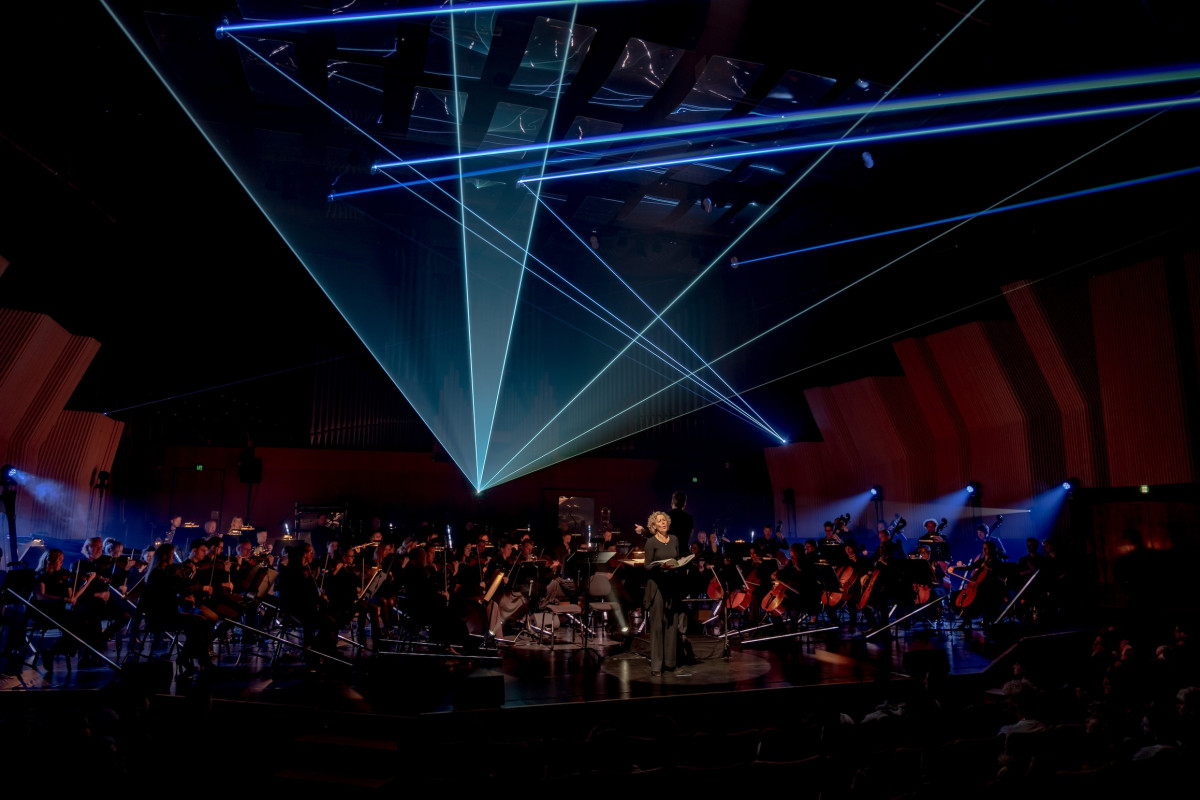
Polske Henryk Góreckis 3. symfoni fra 1976 er et hovedværk inden for den neo-tonale og neo-minimalistiske østeuropæiske tradition fra Estland til Georgien. Værket er lige så inderligt, lige så smukt i al sin monumentale langsomhed, som det er stramt konciperet. Et værk, der i Giordano Bellincampis og orkestrets sikre hænder, og med en fænomenalt velsyngende og -agerende Henriette Bonde-Hansen, lød præcis, som jeg havde håbet på.
Et enkelt dramaturgisk greb udvidede rammerne for værket og skabte endnu mere nærvær: I tre lange blokke, én før hver af værkets tre satser, fremsagde fem skuespillere på skift rystende, men ikke unødigt udpenslende, skildringer fra krigen i Ukraine. Det kunne sagtens have været Gaza.
Henimod slutningen dukkede værkets første håbefulde passage op – som om den uduelige menneskehed, der er dumpet så utrolig mange gange før, måske alligevel engang vil kunne bestå Guds store eksamen. Netop her tog Henriette Bonde-Hansen sin node i hånden og gik helt ud på kanten af scenen for at synge videre. Da hun var færdig, vendte hun uden at tage blikket fra publikum den sidste side, så alle kunne se, at nu var fortællingen slut. En ny kunne begynde, når publikum hver for sig gik hjem og genkaldte sig værket.
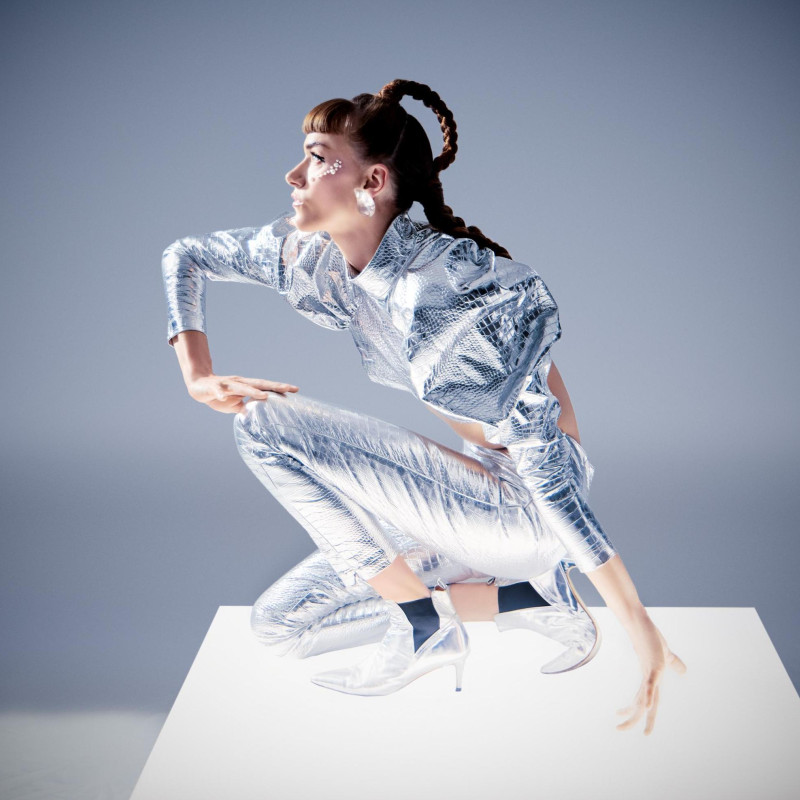
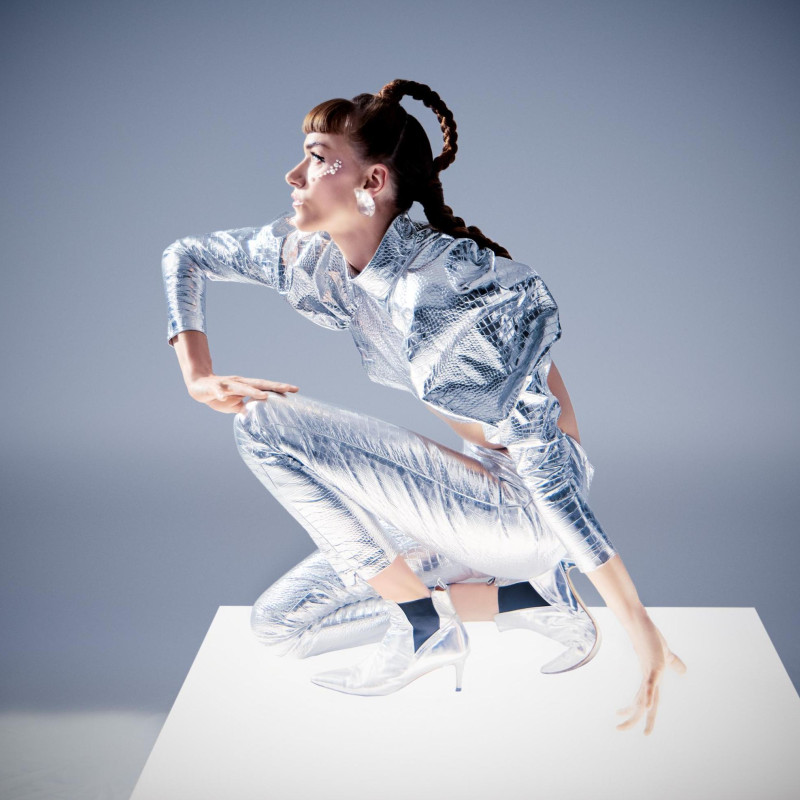
There are twelve tracks on Josefine Opsahl’s album Cytropia, each with the duration of a rock song. Remarkably, there is a straight line from the first to the last – both in timbre, rhythm, melody, atmosphere, and playing. The ears are embraced by a gentle melancholy created by small cello figures in long sequences, with a slow-moving cello melody on top. Some parts in minor, others more open.
She is receiving quite a lot of praise these days for her many projects – an opera and a ballet – alongside her work as a cellist-composer, and it must almost be due to the highly accessible, cohesive, and dreamy sound she consistently delivers. I must admit that I have become somewhat skeptical along the way. Both as a musician and as a composer, I wish she would challenge herself with new approaches and new visions for the stories her music should tell. On Cytropia, we approach a constant state of uniform sound, evoking thoughts of the deliberate inertia of New Age composers.
There are quite beautiful moments along the way. The track »Cyborg« is crystal-clear in its surface. A piece like »Leaverecalls«, in its mechanics, the American minimalism of Philip Glass. But once again, one misses displacements and rhythmic additions that could challenge the static soundscape. The last hundred years of experimentation have expanded the battlefield of cello playing. Opsahl draws on some of these experiences to create her own small mechanical accompaniments for herself. Yet, the setup with a sequencer and a cello seems limiting in allowing Opsahl to explore timbres and ideas where the gravity of melancholy can truly be felt.
Der er tolv skæringer på Josefine Opsahls album Cytropia, hver af en rocksangs varighed. Bemærkelsesværdigt nok er der en lige linje fra den første til den sidste – både klangligt, rytmisk, melodisk, i stemningen og i spillet. Ørene omfavnes af en let melankoli skabt af små cellofigurer i lange sekvenser med en langsommelig cellomelodi ovenpå. En del i mol, andet mere åbent.
Hun får ret meget ros for tiden for sine mange projekter – en opera og en ballet – ved siden af produktionen som cellokomponist, og det må næsten være på grund af den meget tilgængelige, helstøbte, drømmende sound, hun er garant for. Jeg må indrømme, at jeg er blevet lidt skeptisk hen ad vejen. Både for hende som musiker og som komponist vil jeg ønske, at hun udfordrede sig selv med nye tilgange og nye visioner for, hvilke historier hendes musik skal fortælle. På Cytropia nærmer vi os en konstant tilstand af ensartet lyd, der får tankerne hen på new age-komponisternes bevidste inerti.
Der er ret smukke tilstande undervejs. Nummeret »Cyborg« er glasklart i sin overflade. Et nummer som »Leave« minder i sin mekanik om amerikansk minimalisme, som Philip Glass kan skrive den. Men igen savner man forskydninger og rytmiske tilføjelser, der kan udfordre det statiske lydbillede. De sidste 100 års eksperimenter har udvidet kampzonen for cellospillet. Opsahl bruger nogle af de erfaringer til at skabe sine egne små mekaniske akkompagnementer til sig selv. Alligevel virker setup’et med en sequencer og en cello begrænsende for, at Opsahl kan nærme sig klange og ideer, hvor melankoliens alvor kan mærkes.
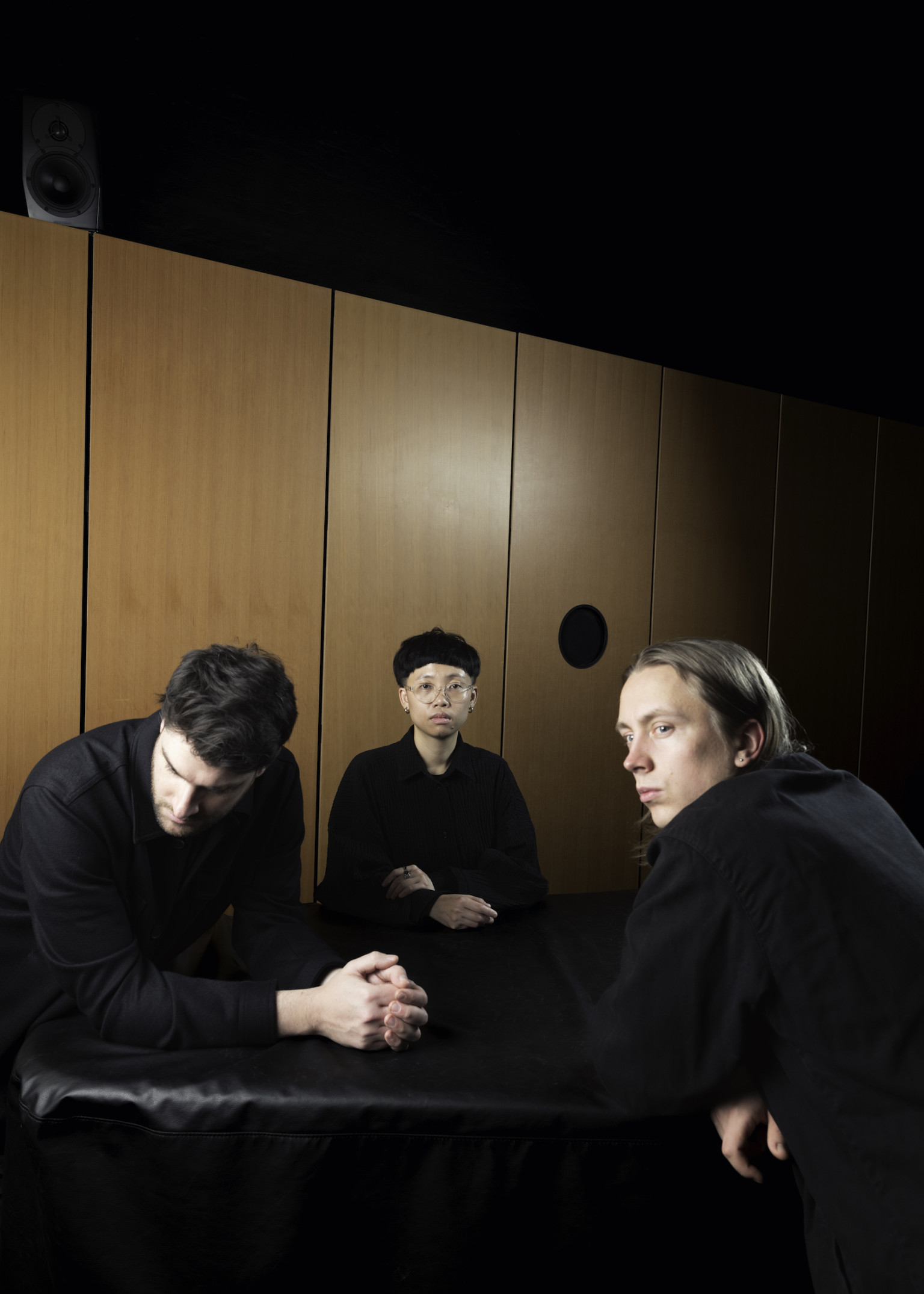
We are NEKO3 – would you like to see our playlist?
NEKO3 has performed at Festival Internacional de la Imagen, SONICA Glasgow, cresc... Biennale, Time Of Music, Rondò, MINU festival, Copenhagen Light Festival, Unerhörte Musik and Spor Festival. They have been featured as soloists with the Danish National Symphony Orchestra and the Aarhus Sinfonietta, and given workshops and presentations at ie. Standford University, the Royal Danish Academy of Music, Hochschule für Musik und Theater Hamburg, University of California San Diego and Kungliga Musikhögskolan (SE). The ensemble has recorded multiple EP’s and released their first full length album Angel Death Traps in collaboration with Alexander Schubert in 2024.
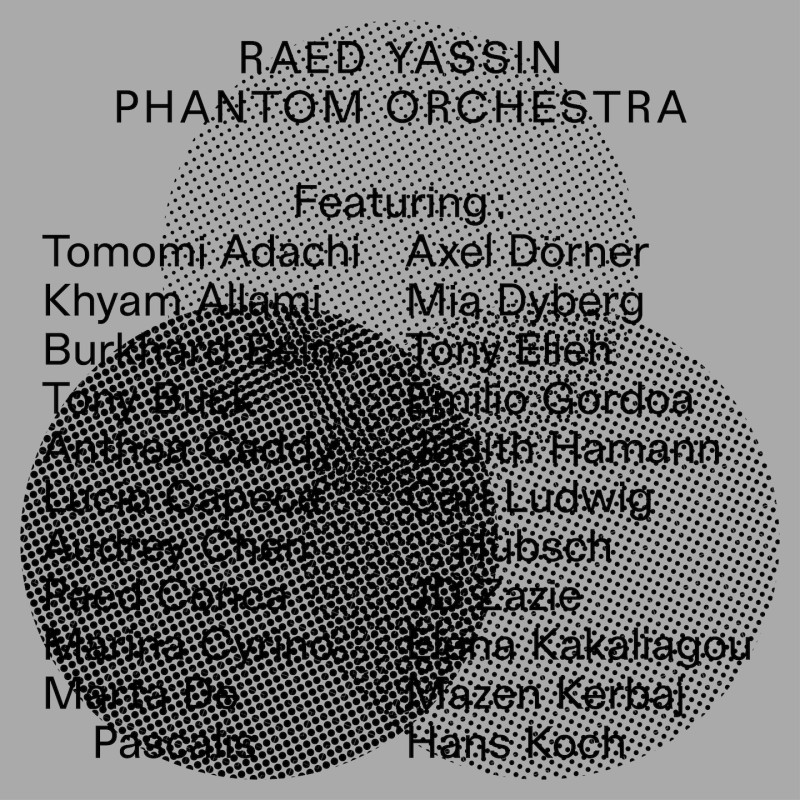
The abstract, collage-like »Movements« on Lebanese artist Raed Yassin's Phantom Orchestra are yet another piece of contemporary art born out of the COVID-19 crisis. Like a distant echo from a time most have already repressed, the experimental artist has assembled a series of recordings performed by a motley group of Berlin musicians – all united by a single premise: improvisation.
Over nearly an hour, Yassin weaves these recordings into seven progressive suites, ranging from approximately nine to twenty minutes. And while the sonic chaos at times reaches such heights that one struggles to find a common auditory anchor, the result is a creatively stimulating listening experience, as hand-played percussion, Baltic folk singing, and the Japanese koto (harp) seamlessly merge – despite the musicians never having been in the same room together.
At its core lies an immensely inspiring concept, one that draws equally from sampling aesthetics and contemporary art. This is particularly evident considering that the pieces were reportedly created using no fewer than twelve turntables, introducing an element of chance. One can only assume that this required a remarkable degree of planning – which makes it all the more astonishing when, for instance, the interplay between modular synths and drums on »Movement III« unfolds, or when the almost horror-like contrast between happy jazz trumpet, frantic vocals, and demonically prepared piano emerges on »Movement IV«.
At times, the idea behind the work is more fascinating than the sound itself, but all in all, Phantom Orchestra is a dazzling, slightly mad experiment, driven by a will to create harmony in chaos. A final echo of the pandemic – of standing together while apart.
English translation: Andreo Michaelo Mielczarek