kortkritik

Trance Thursday

RF 2023: Gabber Modus Operandi
© Sanne Krogh Groth
© Sanne Krogh Groth

Why Gabber Modus Operandi from Bali was booked for Roskilde's »avant-garde scene« Platform, which my 20-year-old son called the »boomer« scene, is a mystery. In 2018, when they made their European debut, it was at the seminal Berliner festival CTM at the club Berghain. Since then, they have traveled around the world and were featured on Björk's new album in autumn 2022.

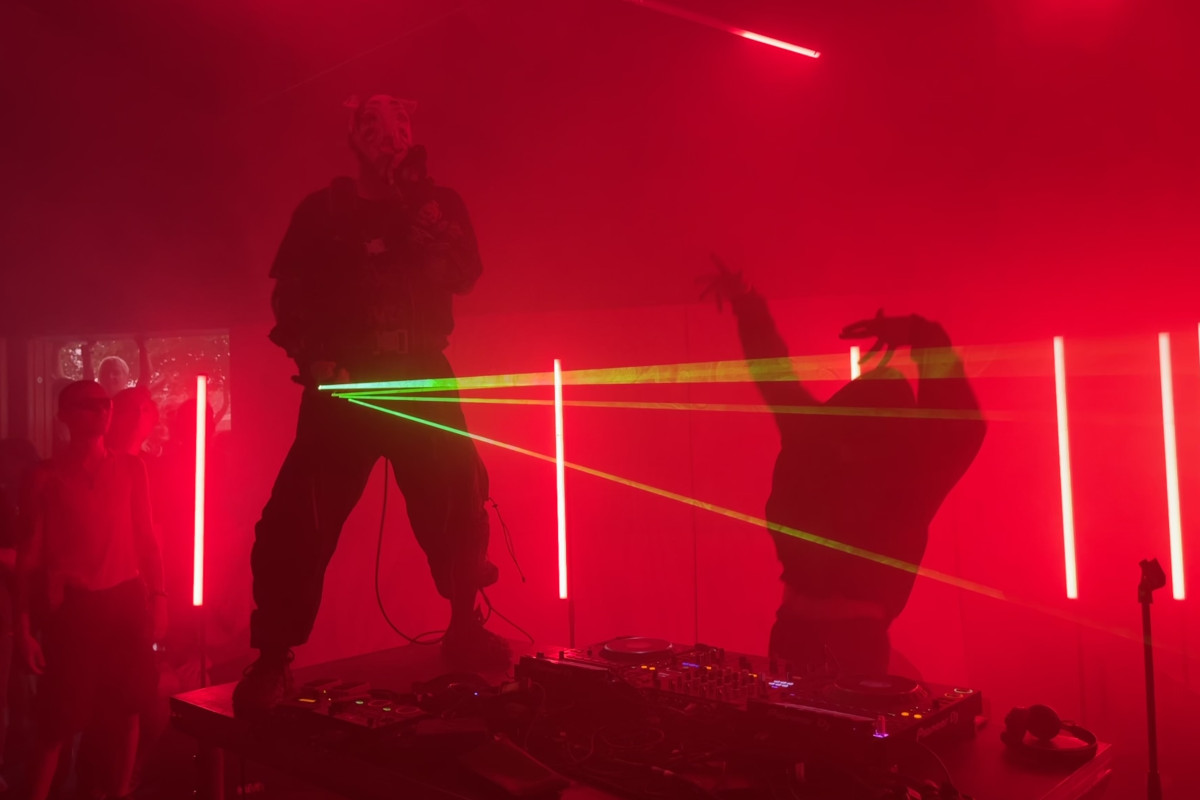
The music and the trance party, on the other hand, went straight in – a mix of new and previously released tracks, all produced by Kasimyn and spiced up by Ican Harem with his wild performance. The tracks provide the foundation to the trance, but it is Harem who controls it with song, recitation and growl and with an insistent audience address primarily in Indonesian. 

It was loud and intense, and the trance-happy festival audience, who had turned up in large numbers, had plenty of opportunity to dance. The individual character of the tracks is found in characteristic and slower pentatonic themes played by samples that sound like slompret (Javanese wind instrument, as in the track Sandikala), bonang (small gong) and synth (Genduwuro), and Indonesian song/speech (Hey Nafsu). A local Indonesian jumble woven into a global borderless music machine.

Jathilan is the name of an Indonesian ritual dance in which knights on reed horses travel out to defend the sultan, but along the way are possessed by the spirits of the forest. Jathilan is currently particularly popular in Java in local contexts in city and countryside, where both dancers and the audience can get in trance, which is led by a "fusion gamelan" consisting of Indonesian gamelan, drum set, synthesizer and whatever else is in the neighborhood. Everything is electrically amplified and blown out through distorting speaker towers – preferably with over 110 DB. The aesthetics are breathtaking and something quite unique.

Gabber Modus Operandi precisely finds, among many other on- and off-line curiosities, inspiration in jathilan. They too have travelled out, however, without reed horses, classic Indonesian dance costumes and instruments. Instead, they have brought us high-tempo electronic dance music (EDM). Hard pumping metallic noisy beats here reaching 120 DB. Towards the end, they invited us to sit on the floor. The trance now took form as a call to prayer, meditation and contemplation.

kortkritik

Man mærker den ustoppelige strøm af inspiration

The Firebirds & Nordic String Quartet: »Adaptations« 
© PR
© PR
11. october

På baggrund af en række af trioen The Firebirds’ improvisationer har seks komponister udarbejdet nye værker for strygekvartet, som så igen danner grundlag for nye jazzimprovisationer. Det er der kommet utroligt vellydende musik ud af. Og ikke mindst meget af den. Man mærker den ustoppelige strøm af inspiration, som den potentielt uendelige adaptionsmetode har foranlediget: Det i forvejen lange album har æren af at være den eneste udgivelse af ny kompositionsmusik, jeg kan huske at være stødt på, som fås i en deluxe-udgave med bonus tracks. 

Et fascinerende aspekt af Adaptations er den stilistiske afsmitning mellem jazzen og den klassiske musik. The Firebirds har formentlig taget navn efter Stravinskys Ildfuglen, og det er passende, for hvis albummet minder mig om én ting, er det Stravinsky, når han var allermest jazzet (eksempelvis Koncert for klaver og blæsere fra 1923). Ét øjeblik gjorde særligt indtryk på mig: Det gælder overgangen fra improvisationen »Nocturnal Dance« – der med sin tunge, funkinfluerede basgang, sin nærmest dansable rytmik og sine lidenskabelige saxofonhyl lyder som fusionsjazz alla Herbie Hancock anno 1973 – til dens strygeradaption: komponisten Mauro Patricellis »Fato«. Et stykke musik, der overraskede mig dybt med sin storslåede dramatik og nærmest romantiske schwung (ikke ord, jeg ofte bruger til at beskrive ny musik). De to stykker musik har ikke meget til fælles, men alligevel er forbindelsen tydelig: Det er som om, de spejler hinanden i deres energiske fremdrift og maksimalistiske udtryk. Adaptations er fyldt med den slags overraskende, tankevækkende konstellationer.  

Playliste

My name is Bára Gísladóttir – would you like to see my playlist?

30. september
© Anna Maggý

»For me, music is all that vibrates.«


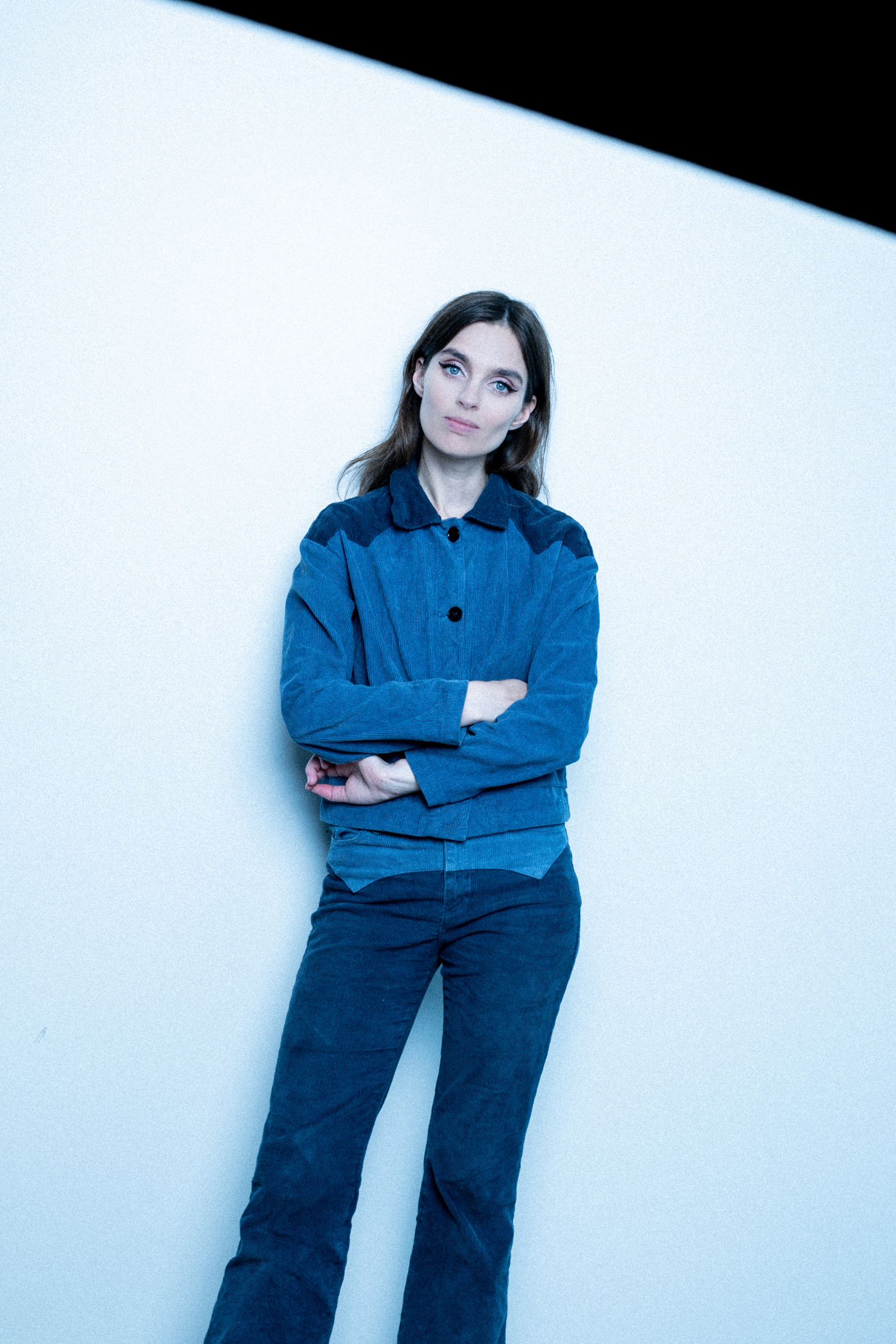
Bára Gísladóttir is an Icelandic composer and double bassist based in Copenhagen. Her work is generally based on thoughts regarding the approach and concept of sound as a living being.

kortkritik

Hvis John Malkovich kunne synge, ville det være djævelsk sang

John Malkovich, Michael Sturminger, Marie Arnet, Theodora Raftis, Martin Haselböck, Orchester Wiener Akademie: »The Infernal Comedy: Confessions of a Serial Killer« 
© Anders Hede/Musikhuset

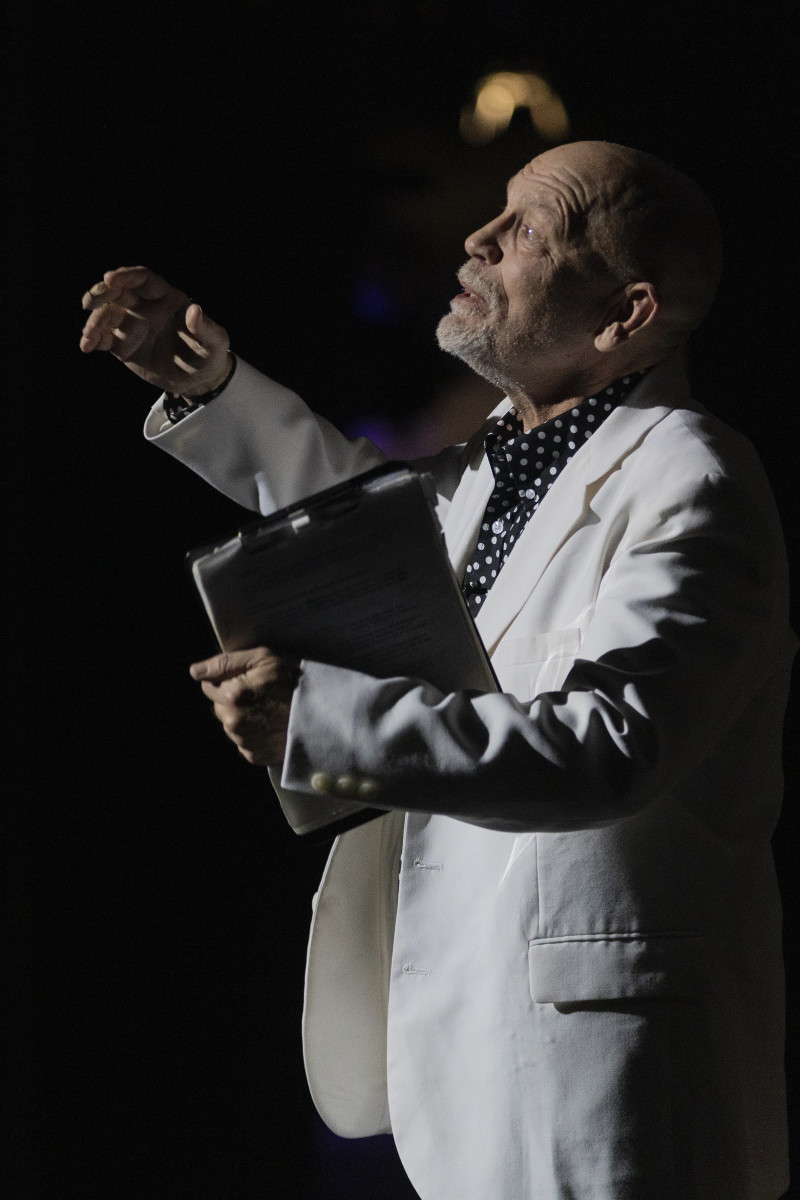
»Please, conductor play and give me some fucking peace«. Massemorderen – og nu forfatter, for det blev han i fængslet – Jack Unterweger (John Malkovich) kræver mere »old fashioned music«, mens han fortæller om sine barbariske handlinger i Wiens skove. Vi er til Unterwegers bogreception. Barokorkesteret Orchester Wiener Akademie sidder på scenen som vidner, mens Malkovich strangulerer sopranerne Marie Arnet og Theodora Raftis med deres undertøj til arier af Mozart, Vivaldi og Haydn. Jo, opera handler ofte om mænd, der slår på kvinder

»I don’t usually like this kind of music, it makes me nervous«. Ja selvfølgelig, for barokmusikken spillet på periodeinstrumenter er ikke bare laber baggrundsmusik, men en aktiv fortæller, som »forstyrrer« den salgstale af en monolog, og den frastødende sandhed, som Malkovich gerne vil dele med os – mordet på ni prostituerede. Han vil hellere være morder end ingenting, siger han. Men de to sangere får ham også til at ralle på jorden som et barn; han hiver efter vejret, bliver ukomfortabel i sit hvide jakkesæt. Disse momenter løfter The Infernal Comedy til mere end et smart koncept (kendt skuespiller, ok kendt orkester, autentisk mordhistorie). Kvinderne får et glimt af værdighed, mens Malkovichs Unterweger mister den. Hvad er han nu uden Dandy-solbriller? 

The Infernal Comedy er skabt til Malkovich i 2008, hans joker-ansigt, hans svajende, ja über musikalske røst. Vi vil gerne købe hans bøger, fordi ondskab sælger. Som super enkelt kammerspil fungerer det. Hvis Malkovich pludselig meddelte, at han nu vil synge opera, ville vi også købe billet. Men hvordan ville denne kvindehadshistorie mon lyde med barok anno 2024? 

Playliste

Mit navn er Vincent Wood – vil du se min playliste?

16. september
© PR

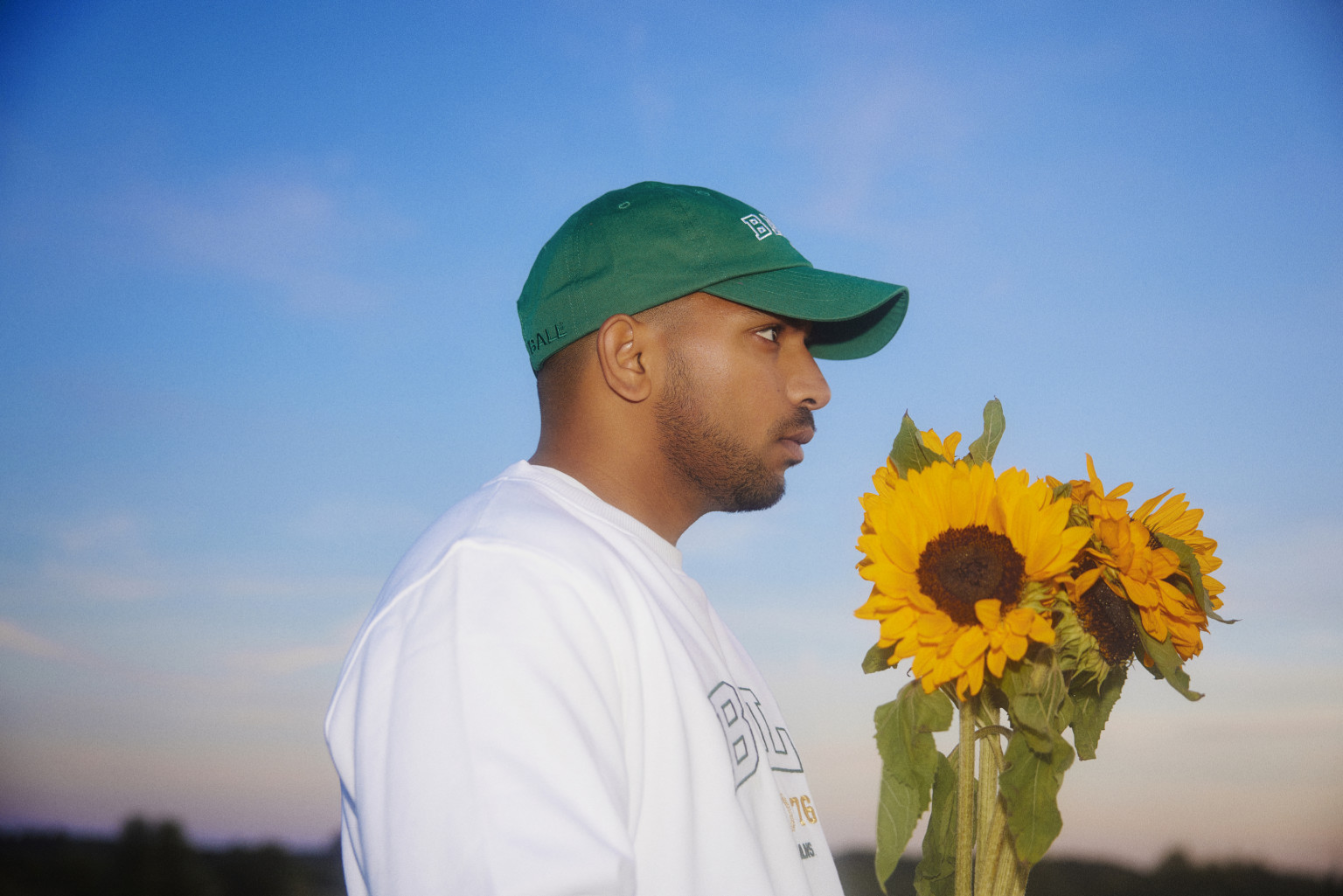
»Musik for mig er muligheden for at udtrykke mine følelser og historier både i ørene og på livescenen, så folk kan spejle sig i det, og vi sammen kan skabe bestemte oplevelser.« 

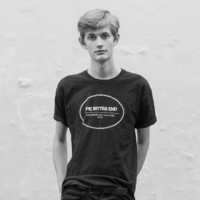
Vincent Wood er en dansk/indisk solokunstner. Hver sang på hans debut-EP For mange følelser udenpå udforsker et personligt emne fra hens eget liv, og han berører temaer som adoption, identitetskrise, kærlighed, usikkerhed og længslen efter at være god nok.

Playliste

My name is Kristine Tjøgersen – would you like to see my playlist?

10. september
© Anna-Julia Granberg/BLUNDERBUSS

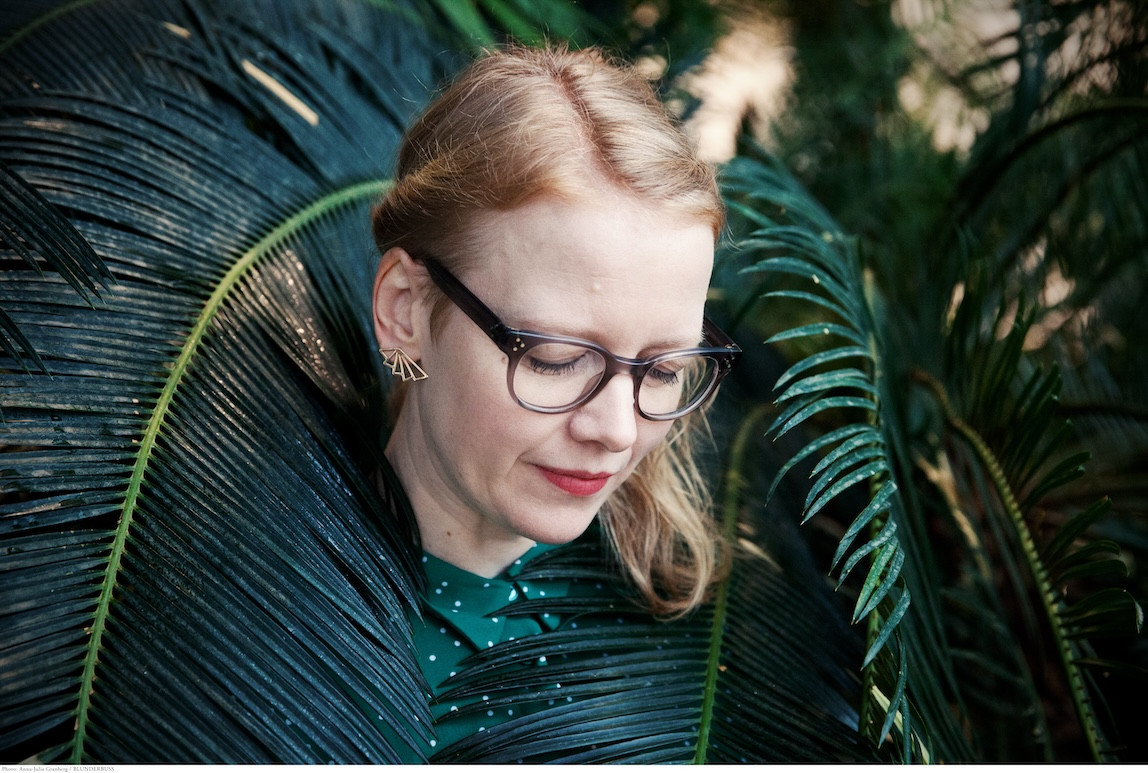
»Experience with music involves contact between humans and something beyond it. With contact I believe that people are affected in a way that changes them, even though the change can be very small. You may be transformed into something you still do not know what is.«

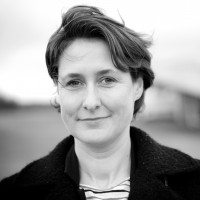
Kristine Tjøgersen is a Norwegian composer and clarinet player living in Oslo. Her compositional practice is characterized by curiosity, imagination, humor and precision. Through her work, she creates unexpected auditory situations through playing with tradition. She has a special interest in the interplay between the visual and the auditory and how they affect each other.

Nature in motion and process is often reflected in her works, and collaboration with researchers and biologists is for her a source of new sound and scenic ideas that allows her to incorporate organic forms into the music. As Tjøgersen puts it: »By giving nature a voice in the concert hall, I want the audience to get to know valuable forms of life, and to raise awareness of what can be lost if humans continue to change nature.«

Her works have been performed by Ensemble Recherche, Klangforum Wien, Arditti Quartet, Pinquins, SWR and WDR Symphonieorchester, Rundfunk-Sinfonieorchester Berlin, BBC Scottish Symphony Orchestra, and the Bergen Philharmonic Orchestra, as well as at festivals such as ECLAT, Ultraschall, Wien Modern, Tectonics, Wittener Tage für neue Kammermusik, and Ultima.