Eivind Buene
9
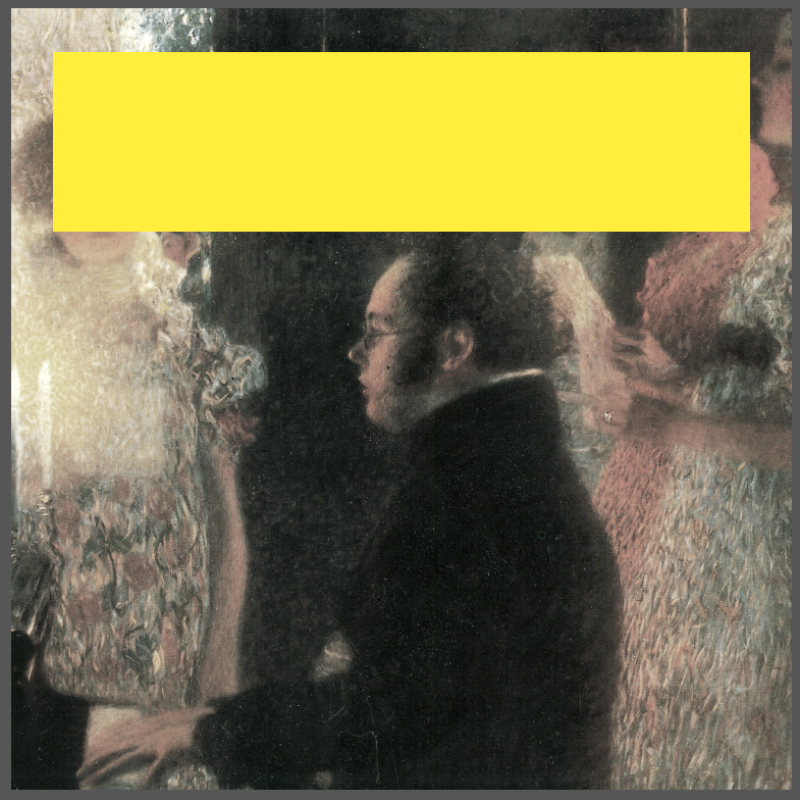
It is always a huge risk to re-interpret classical icons and drag them onto the contemporary scene, especially if you are an award-winning composer and musician of international fame, such as the Norwegian Elvind Buene. Classical music, like all genres, has its small circle of purists and aficionados that are prompt to flag down any attempt to move the statues they adore out of their mausoleums. And this is exactly what Eivind Buene does in his Schubert Lounge album.
The title itself announces an unorthodox approach to the famous German Romantic musical genius: a lounge is not exactly the type of room or architectural installation one would immediately associate with Franz Schubert. But what Buene points to is that Schubert’s music, and more specifically his songs, the famous lieder sung by Kathleen Ferrier and Dietrich Fischer-Dieskau, are about intimacy and that they can be heard today in the half-lit comfort of a lounge, as they were in a salon by candlelight.
There are ten songs on the album, all with their titles in English and without the corresponding German name. For instance, we have »The Sea« and »Beautiful Moon«, which are (very well) known as »Am Meer« and »An Den Mond«. The songs themselves are translated (or adapted) into English, turning the whole project into a singular musical object, which totally deconstructs the traditional prison walls of music history.
Eivind Buene’s voice does not compare with Ferrier’s or Fischer-Dieskau, and it doesn’t even try to. By re-arranging harmonics in modern dissonances and replacing the nuances with a surprising flatness of tone, sometimes switching to delicate higher notes, Buene tells us that classical music is not what we assume it to be: a motionless monument that keeps repeating itself. Turning Schubert into a transnational composer is a radical choice, and a real dangerous one, the risk being to be laughed at, shunned or, even worse, ignored. A Norwegian artist deciding to sing 19th century German lieder translated into English in 2022 is not just an act, it is a radical manifesto. As Buene has written in an article published online, »Music is always now in the sounding moment. Music is, in a sense, a history of unfinished work.«
And this album absolutely proves it.
»Music is the infinite sound of humanity, in all of its manifestations. It is the essence of who we are, what we fear and what we hope for. Nobody owns music, and yet it is absolutely who you are, the very DNA of your soul.«
Seb Doubinsky is a bilingual French dystopian fiction author and academic. His »city-states cycle« has put him on the map of notable authors of the genre. He has been long-listed for an Arthur C Clarke award, won the Foreword Reviews bronze award for Missing Signal and his latest novel is short-listed for the 2025 Foreword Reviews award. He lives in Aarhus, Denmark, where he teaches French history, literature and culture at the university.
»Musik for mig er en mærkelig ting. Jeg synes egentlig, at det er lidt underligt, at jeg ikke bliver mere træt af det, end jeg gør, når man tænker på, at det er overalt hele tiden. Men grunden er nok, at musik er en af de mest alsidige ting, der findes – to stykker lyd kan have fuldstændig forskellige stemninger, rytmer (eller ingen rytme) osv., og alligevel have dét tilfælles, at de begge er musik (hvilket så åbenbart er en form for egenskab, som gør dem begge fede af en eller anden grund). Det er imponerende nok.«
Mikkel Pilgaard producerer musik under navnet Vakuumpagten sideløbende med at prøve at finde ud af, hvordan man træner sig op til at dræbe en drone. Han forestiller sig, at han kender forskel på det virkelige og det uvirkelige. Men hvis selv store tænkere er uenige om alt, hvordan skal han så virkelig kunne vide, hvad der er rigtigt og forkert?
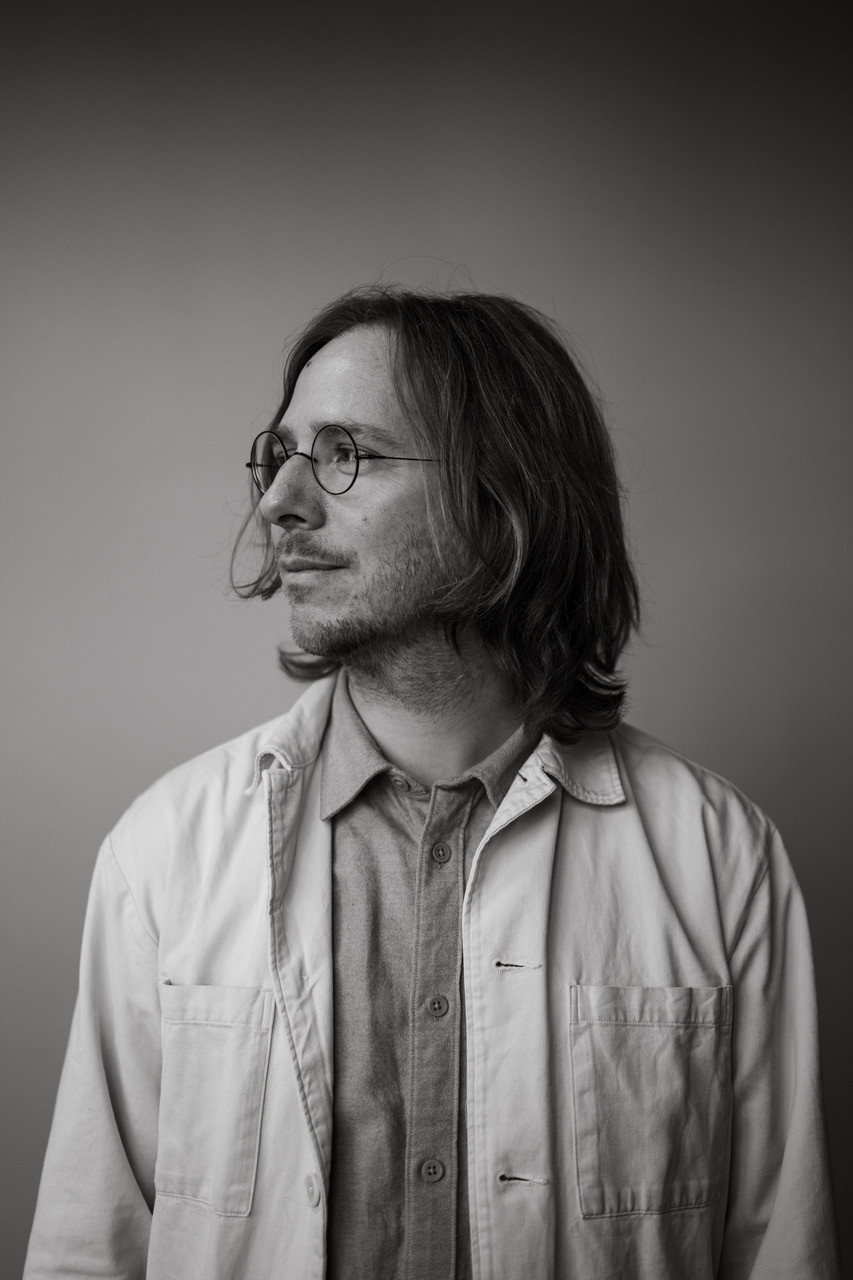
»For mig er musik en særlig motor for diversitet, identitet, individualitet og fællesskab. Musik har en umiddelbar evne til både at skabe og forstærke trygge rum og at ekspandere og sønderrive grænserne for eksistens.«
Kunstner, kurator, underviser Jacob Eriksen arbejder mellem Struer og Berlin. Han er leder af Sound Art Lab, festivalleder for Struer Tracks, studieleder for 89 Sound Art School og underviser på Sound Studies and Sonic Arts på UdK Berlin.
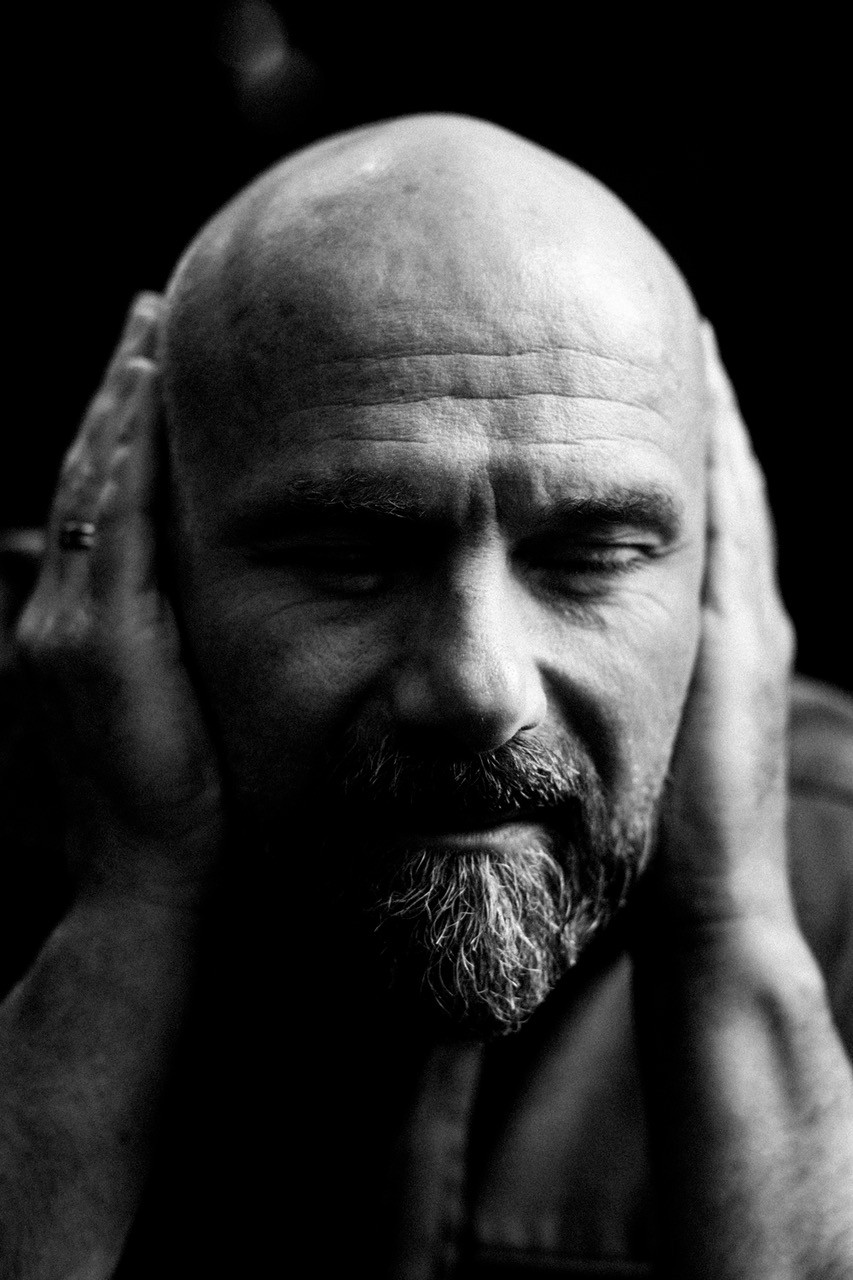
»For mig er musikken lyset, der strømmer ind gennem vores vinduer og rammer menneskers sind. Musikken er fællesskab – noget vi skaber sammen. Musikken er det andet sprog – der kan tales, når alle ord og samtaler er slidt i stykker.«
Mark Solborg er dansk-argentinsk guitarist, komponist og improvisator med uddannelse fra bl.a. Rytmisk Musikkonservatorium og New School University i New York. Han har udgivet 28 albums med egne værker og samarbejdet med profiler som Evan Parker, Susana Santos Silva og Herb Robertson – ofte på det kunstnerdrevne label ILK, som han er medstifter af. Hans musik er opført i 23 lande og involverer musikere fra 15 nationer. Projekter som TUNGEMÅL og BABEL undersøger elguitarens rolle i akustiske rum, og hans virke omfatter også samarbejder med teater, film og billedkunst. Solborg er Reumert-belønnet, præmieret af Statens Kunstfond og blev i 2024 nomineret til en Danish Music Award som Årets Komponist. Han er aktuel med albummet Confluencia.
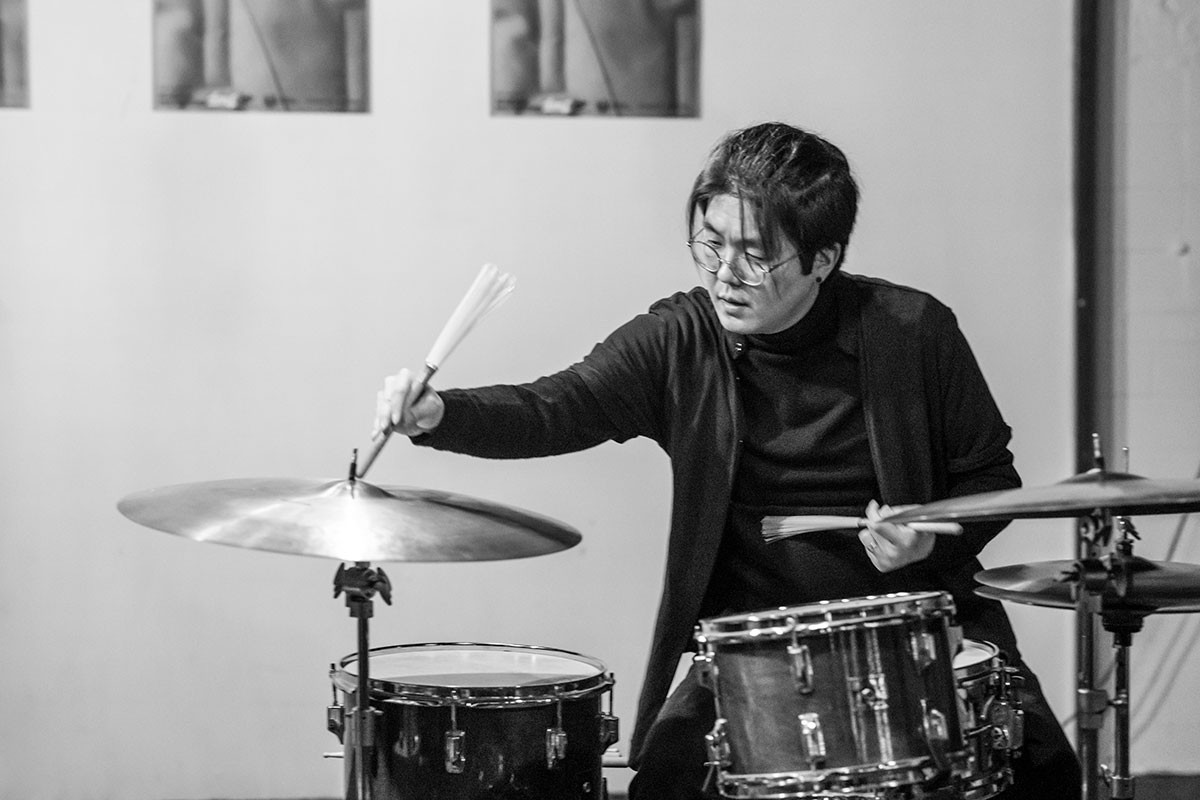
»Music for me is like a sourdough. If you don't feed it right it is going to die. If you feed it correctly a lot of people can benefit from it.«
Halym Kim is a drummer, composer and project coordinator based in Copenhagen. His music is mainly based in free improvisation and experimental music but performs also as a traditional Korean percussionist. He has a Master and an Advanced Postgraduate Diploma in Music Performance from RMC in Copenhagen. Together with Nana Pi he organizes Impro Camp which is a music camp for free and structured improvised music that is happening every year in Fredericia, Denmark.