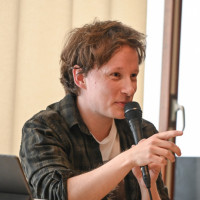
Eivind Buene
9
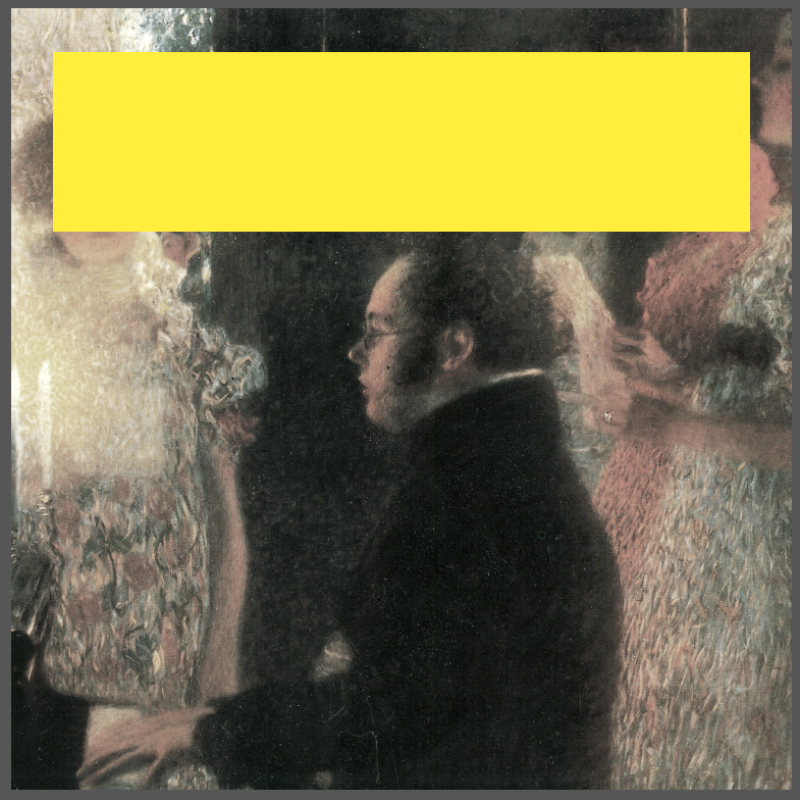
It is always a huge risk to re-interpret classical icons and drag them onto the contemporary scene, especially if you are an award-winning composer and musician of international fame, such as the Norwegian Elvind Buene. Classical music, like all genres, has its small circle of purists and aficionados that are prompt to flag down any attempt to move the statues they adore out of their mausoleums. And this is exactly what Eivind Buene does in his Schubert Lounge album.
The title itself announces an unorthodox approach to the famous German Romantic musical genius: a lounge is not exactly the type of room or architectural installation one would immediately associate with Franz Schubert. But what Buene points to is that Schubert’s music, and more specifically his songs, the famous lieder sung by Kathleen Ferrier and Dietrich Fischer-Dieskau, are about intimacy and that they can be heard today in the half-lit comfort of a lounge, as they were in a salon by candlelight.
There are ten songs on the album, all with their titles in English and without the corresponding German name. For instance, we have »The Sea« and »Beautiful Moon«, which are (very well) known as »Am Meer« and »An Den Mond«. The songs themselves are translated (or adapted) into English, turning the whole project into a singular musical object, which totally deconstructs the traditional prison walls of music history.
Eivind Buene’s voice does not compare with Ferrier’s or Fischer-Dieskau, and it doesn’t even try to. By re-arranging harmonics in modern dissonances and replacing the nuances with a surprising flatness of tone, sometimes switching to delicate higher notes, Buene tells us that classical music is not what we assume it to be: a motionless monument that keeps repeating itself. Turning Schubert into a transnational composer is a radical choice, and a real dangerous one, the risk being to be laughed at, shunned or, even worse, ignored. A Norwegian artist deciding to sing 19th century German lieder translated into English in 2022 is not just an act, it is a radical manifesto. As Buene has written in an article published online, »Music is always now in the sounding moment. Music is, in a sense, a history of unfinished work.«
And this album absolutely proves it.
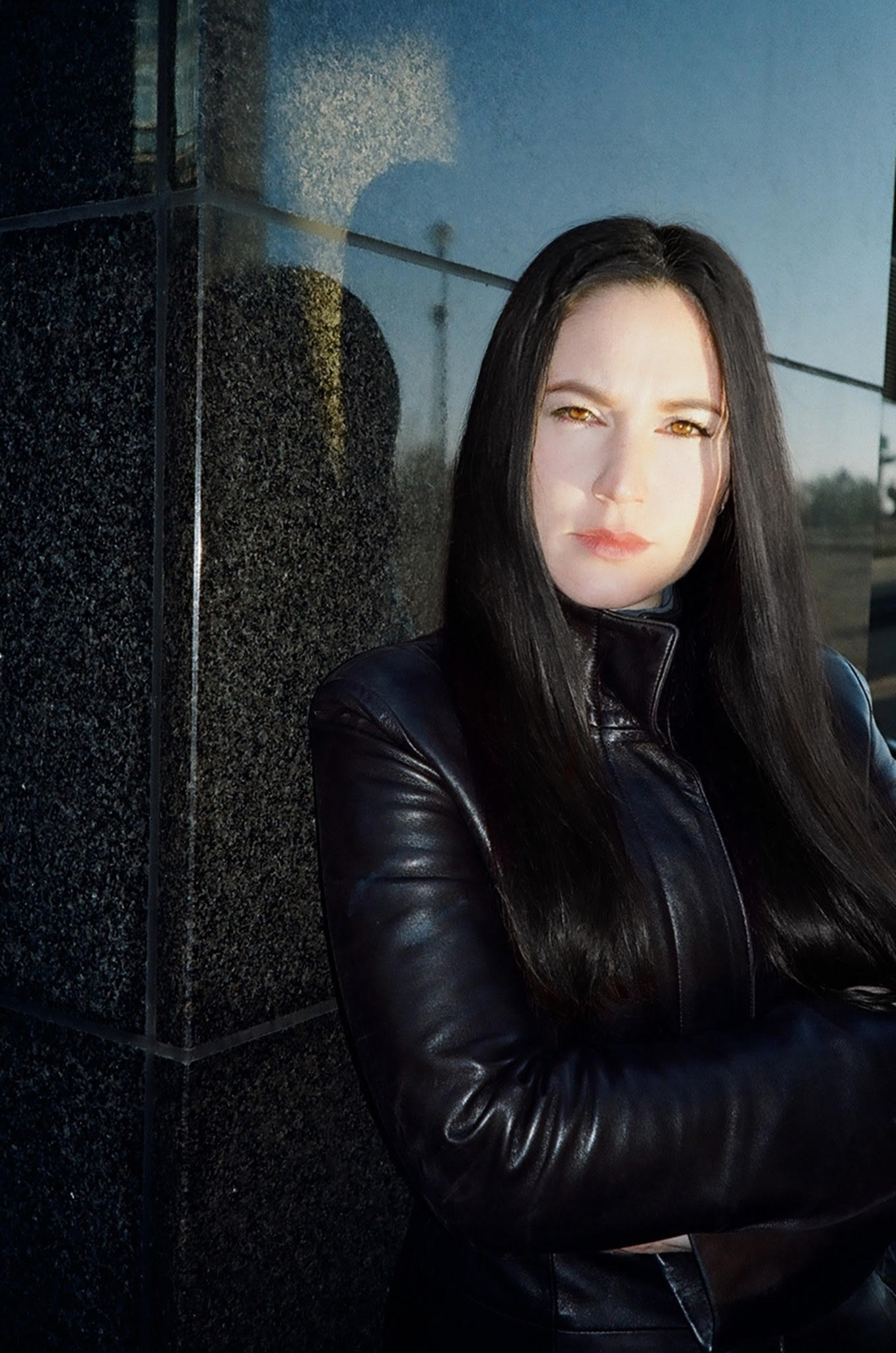
»Music to me, is solitude’s embrace, lifting me or breaking me, a bittersweet ache like missing someone or something, captured in the melancholia of my Seismograf playlist.«
The Swiss-born Hong Kong native Yanling spent her childhood between Zurich and Hong Kong, where she began her musical journey. She is the founder of Aurora Edition, a concert series known for its visually enhanced soundscapes in archtetural venues, showcasing drone, ambient, and experimental acts which is simultaneously running as a record label.
As a producer, Yanling crafts dystopian sonic landscapes with airy synths and hypnotic rhythms. Her cinematic approach blends ephemeral textures with sinister yet luminous effects, creating a boundary-pushing sound that transports listeners between realms in her experimental productions and immersive live performances.
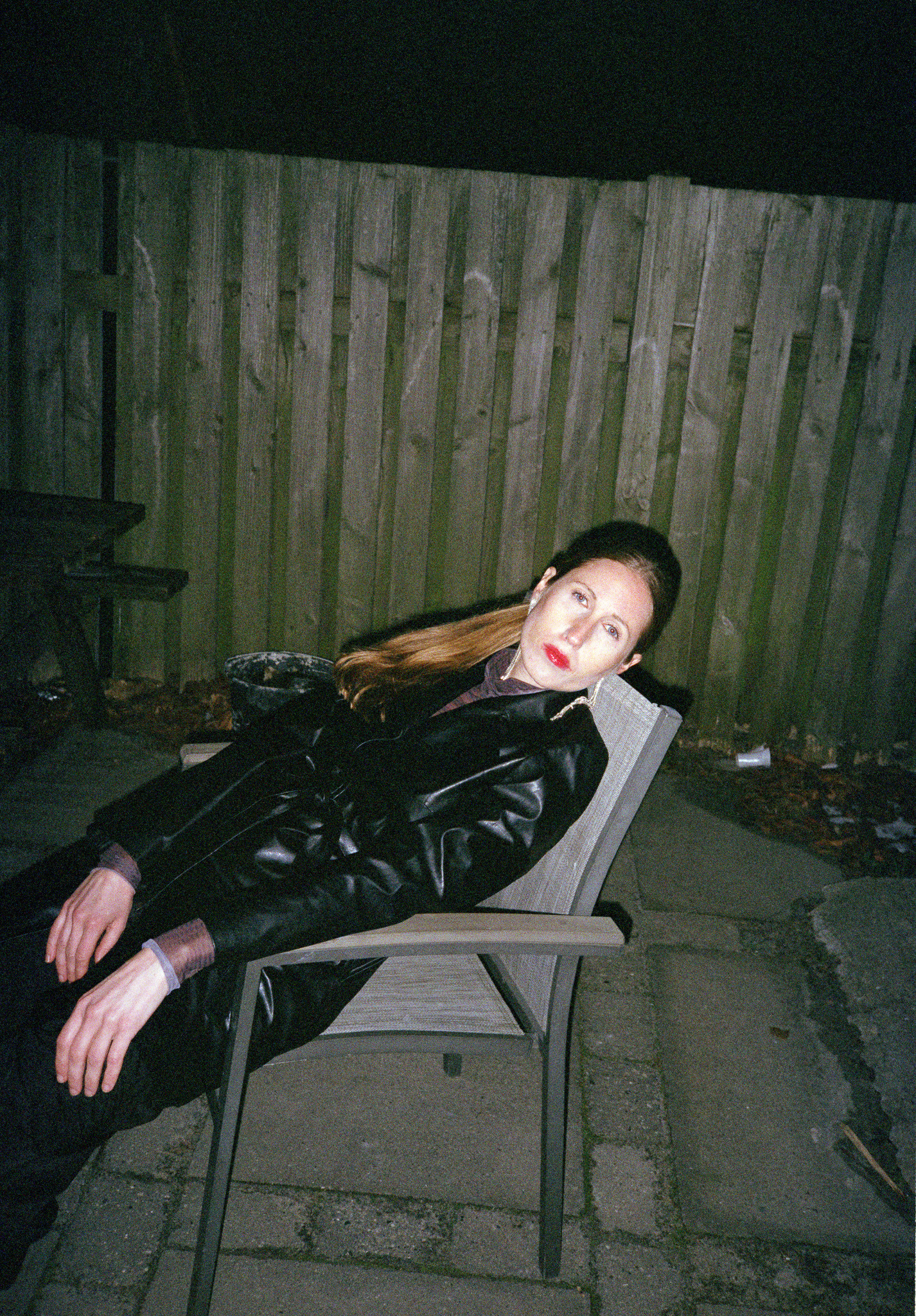
»Musik for mig er en opdagelsesrejse ind i nye verdener skabt af bølger og drømme. Musik er en forbindelse til livet og til dem, jeg holder af – det minder om at synge ved familiefester, samles rundt om et Sankt Hans-bål eller høre Rihanna i en taxa. Musik er som et usynligt hjem, et sted, jeg flytter ind i hver morgen, hvor jeg kan opløses og blive en del af noget større uden at miste mig selv.«
Karen Juhl er komponist, sangskriver og producer og arbejder inden for den danske eksperimentalscene. Hendes debutalbum Mother Tongue, en sonisk hybrid af eksperimentel komposition, spoken word og folklore, skaber en fragmenteret, men meditativ refleksion over sårbarhed i en hyperglobaliseret verden. I februar spiller hun en række koncerter i København, Aarhus og Berlin. Live blandes klubkultur og kammermusik, når beatfragmenter smelter sammen med midi-harpe-improvisationer i en kompleks performance.
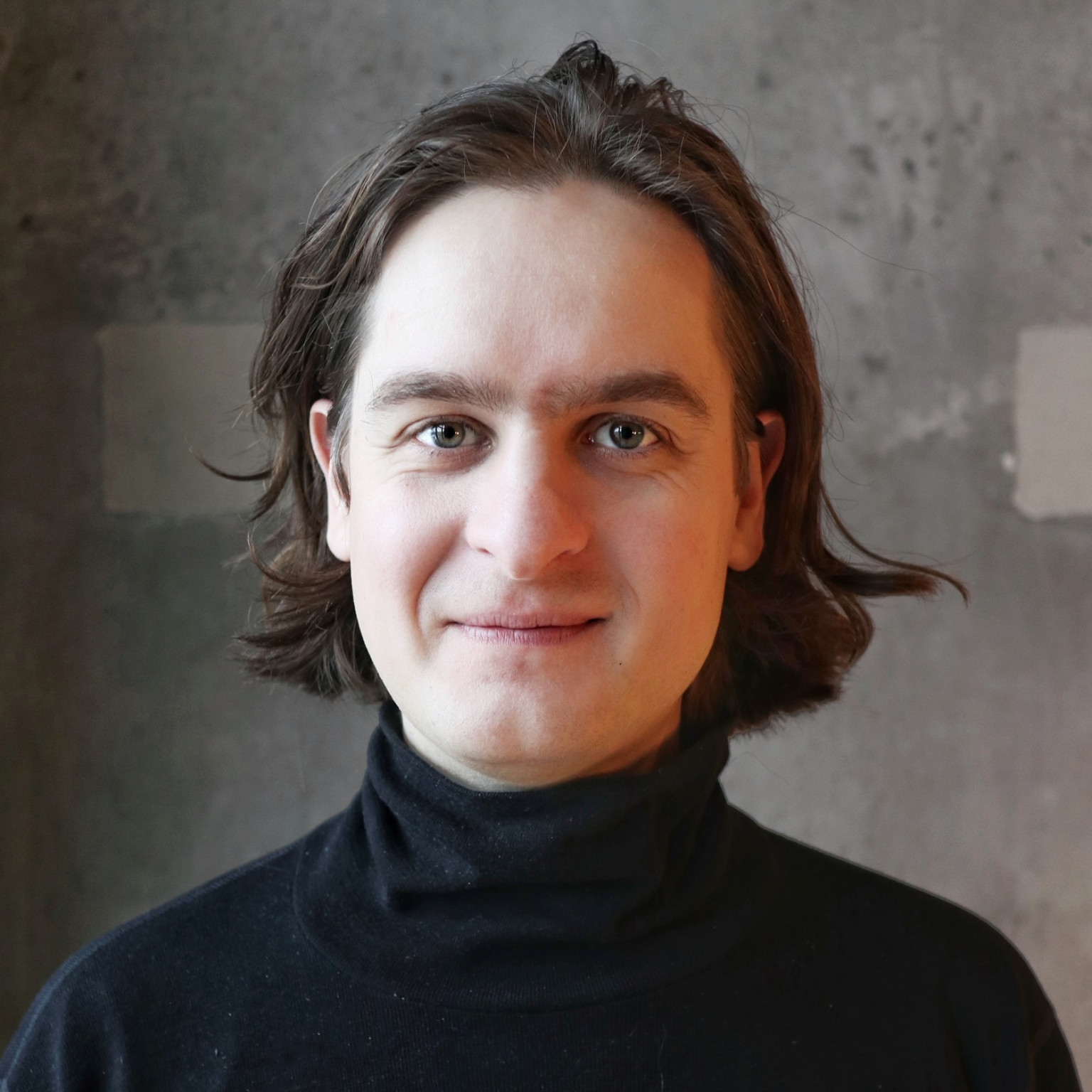
»Musik er for mig en særlig form, der kan fremstå helt abstrakt, og på samme tid forstærke det ubetydelige og komplekse.«
Martin Funder er Seismografs praktikant i februar 2025. Han er cand.mag. i filosofi og videnskabsteori fra Roskilde Universitet (2024) med speciale i sansning, fortolkning og ambientmusik. Funders fokusområder er teknologi, økokritik, film, og postmodernisme. Udøvende musiker i bl.a. Deadpan og Countermarch.
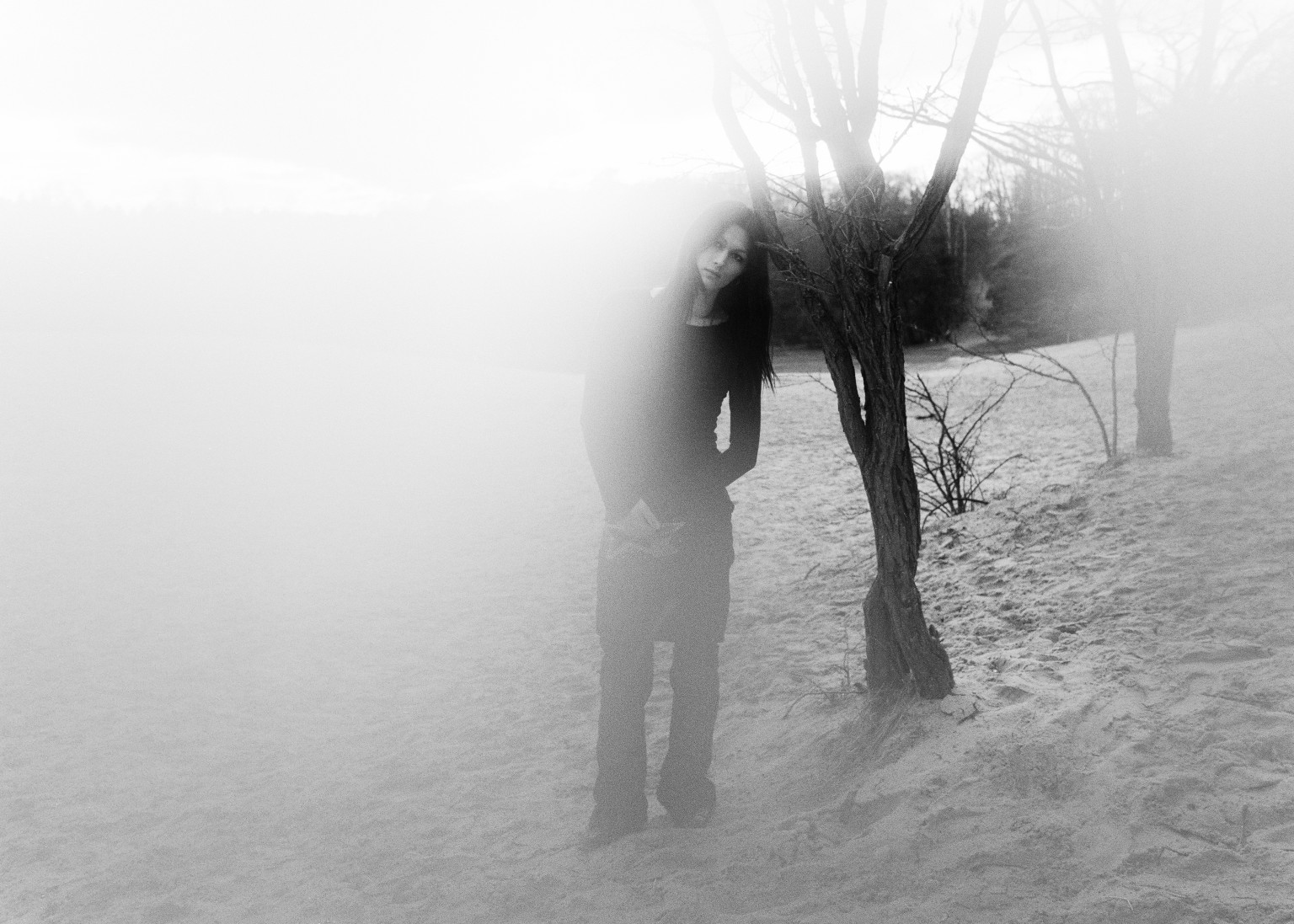
»Music for me is: inevitable.«
Ryong is a composer, artist & DJ that explores: Danish and Korean heritage, spirituality, embodiment, family and love, Ryong is also a member of the experimental pop band haloplus+. Across her releases, she draws on both ambient, noise and pop music, incorporating the sound of field recordings and spoken word. Having previously released on Why Be’s label Yegorka, and debuting on Posh Isolation with Isa Ryong, an 11 part work that explores transition and the anguish of complexity, Ryong has established herself as a unique artist in the experimental electronic music scene in Copenhagen.
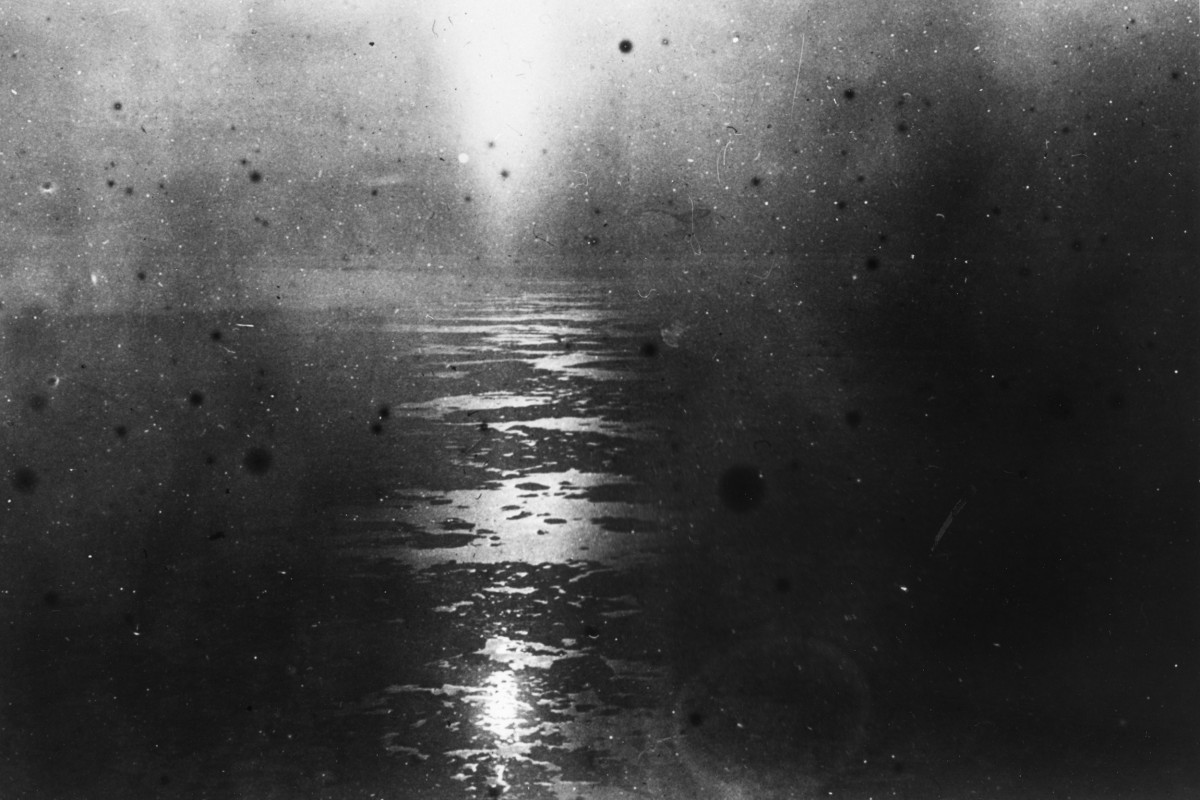
På sit nye album, Snowblind, vender Jacob Kirkegaard blikket væk fra afsløringer af vores omverdens skjulte lyde for i stedet at skildre et psykologisk drama. Afsættet: den svenske polarfarer Salomon August Andrée, der i 1897 satte kurs mod Nordpolen i luftballon, en dumdristig færd, der kostede ham selv og to andre livet – forblændet af sne og jagten på berømmelse.
I løbet af 11 isnende tableauer tegner Kirkegaard et portræt af den ængstelighed og tvivl, svenskeren må have følt, da ballonen styrtede ned på pakisen øst for Svalbard. I to måneder fortsatte de tre til fods, inden de nåede den øde ø Kvitøya – og døde få uger efter, muligvis forgiftet af underkogt isbjørnekød. Da havde naturen for længst afsløret sin fjendtlighed.
Det hører man på Snowblind. Først letter ballonen i en luftstrøm, der balancerer elegant på kanten af omklamrende mørkesynth og hjertebanken, mens en metallisk skurren a la heroisk elguitar subtilt signalerer tvivlen: Var Andrée helt eller skurk? Kort efter lander vi så i et stort ingenting af strøget metal. Granatchokket bliver til skælmske, svampede fodspor af synth, mens desperationen og hallucinationerne vokser: Var det et skibshorn, jeg hørte, en redningskrans?
Men nej, stilheden vinder, isvandet rasler som et sultent uhyre, det hårdkogte psykologiske drama levner ingen plads til håb, kun en chance for at stirre sit endeligt i øjnene. Havde Kirkegaard været en rigtig grum portrættør, kom vi endnu længere ned i mørket og desorienteringen, men hans letsvævende ambiens sætter nu også spor i sneen.