Eivind Buene
9
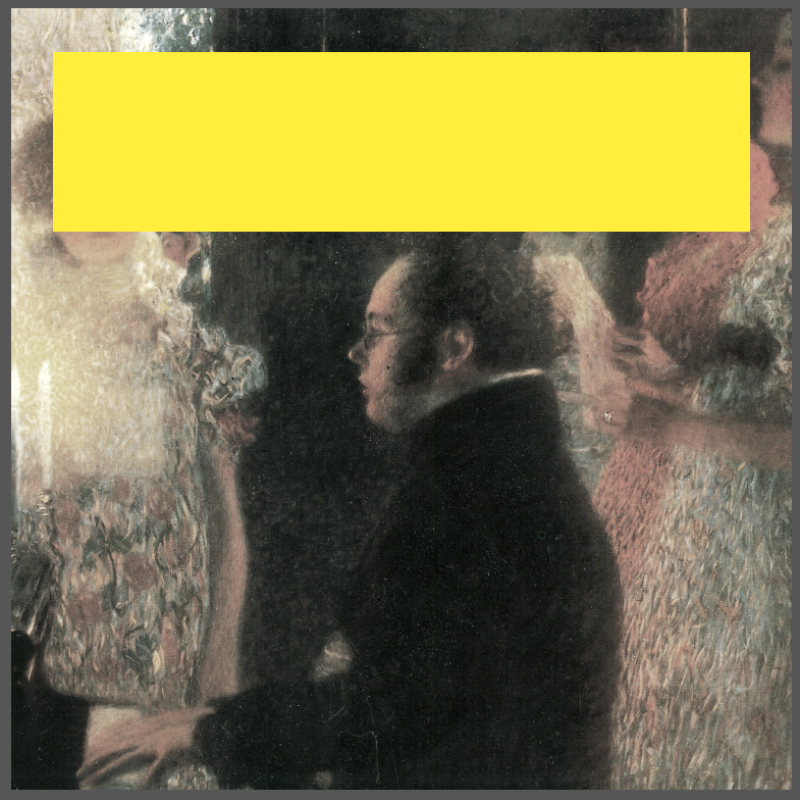
It is always a huge risk to re-interpret classical icons and drag them onto the contemporary scene, especially if you are an award-winning composer and musician of international fame, such as the Norwegian Elvind Buene. Classical music, like all genres, has its small circle of purists and aficionados that are prompt to flag down any attempt to move the statues they adore out of their mausoleums. And this is exactly what Eivind Buene does in his Schubert Lounge album.
The title itself announces an unorthodox approach to the famous German Romantic musical genius: a lounge is not exactly the type of room or architectural installation one would immediately associate with Franz Schubert. But what Buene points to is that Schubert’s music, and more specifically his songs, the famous lieder sung by Kathleen Ferrier and Dietrich Fischer-Dieskau, are about intimacy and that they can be heard today in the half-lit comfort of a lounge, as they were in a salon by candlelight.
There are ten songs on the album, all with their titles in English and without the corresponding German name. For instance, we have »The Sea« and »Beautiful Moon«, which are (very well) known as »Am Meer« and »An Den Mond«. The songs themselves are translated (or adapted) into English, turning the whole project into a singular musical object, which totally deconstructs the traditional prison walls of music history.
Eivind Buene’s voice does not compare with Ferrier’s or Fischer-Dieskau, and it doesn’t even try to. By re-arranging harmonics in modern dissonances and replacing the nuances with a surprising flatness of tone, sometimes switching to delicate higher notes, Buene tells us that classical music is not what we assume it to be: a motionless monument that keeps repeating itself. Turning Schubert into a transnational composer is a radical choice, and a real dangerous one, the risk being to be laughed at, shunned or, even worse, ignored. A Norwegian artist deciding to sing 19th century German lieder translated into English in 2022 is not just an act, it is a radical manifesto. As Buene has written in an article published online, »Music is always now in the sounding moment. Music is, in a sense, a history of unfinished work.«
And this album absolutely proves it.
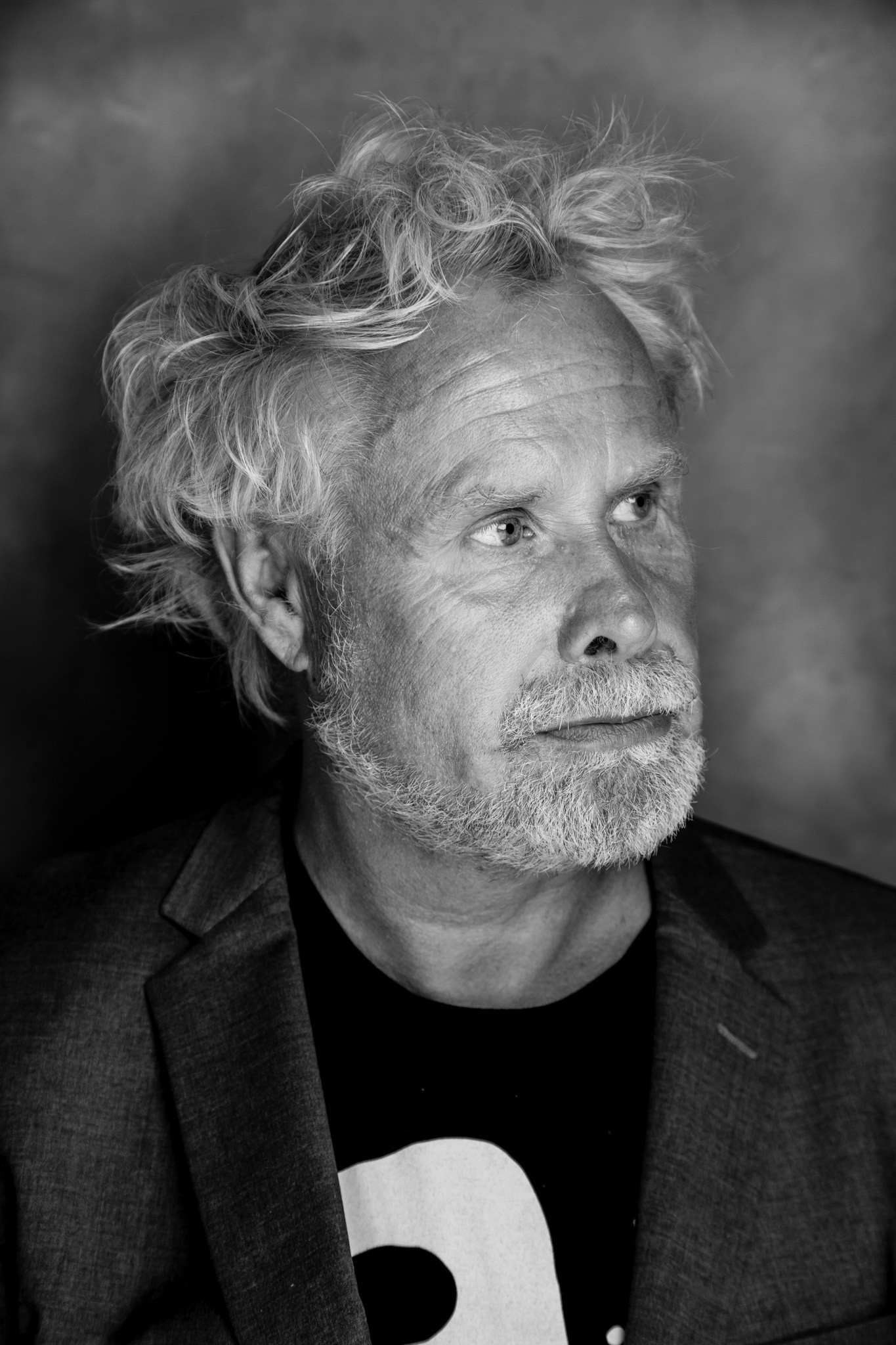
»Musik for mig er i høj grad et valg. Jeg er meget lidt fan af baggrundstapet eller musik til arbejdet, selvom jeg i mit virke, som både musiker og tekstforfatter, er dybt afhængig af det musiske element. Min smag er ret bred, som det tydeligt vil fremgå af min playliste, og mit valg af musik er i højeste grad afhængigt af mit humør. Lettere depressiv er det Bill Evans eller Mahler, solskinshumør, italiensk patospop eller Gino Vanelli. I det klassiske tankeeksperiment – vil du helst miste synet eller hørelsen – hælder jeg mod blindheden. Jeg har set rigeligt. Musikken må ikke forstumme.«
Søren Lampe er sanger, komponist og tekstforfatter. Hans nyeste udgivelse, The Lamp is Low, er hans sjette i eget navn – heraf to på dansk, den ene med udelukkende egne sange, undtagen ét enkelt nummer. Genren er jazz, men med tydelige aftryk af soul, blues, bossa nova, den danske sangskat og klassisk musik.
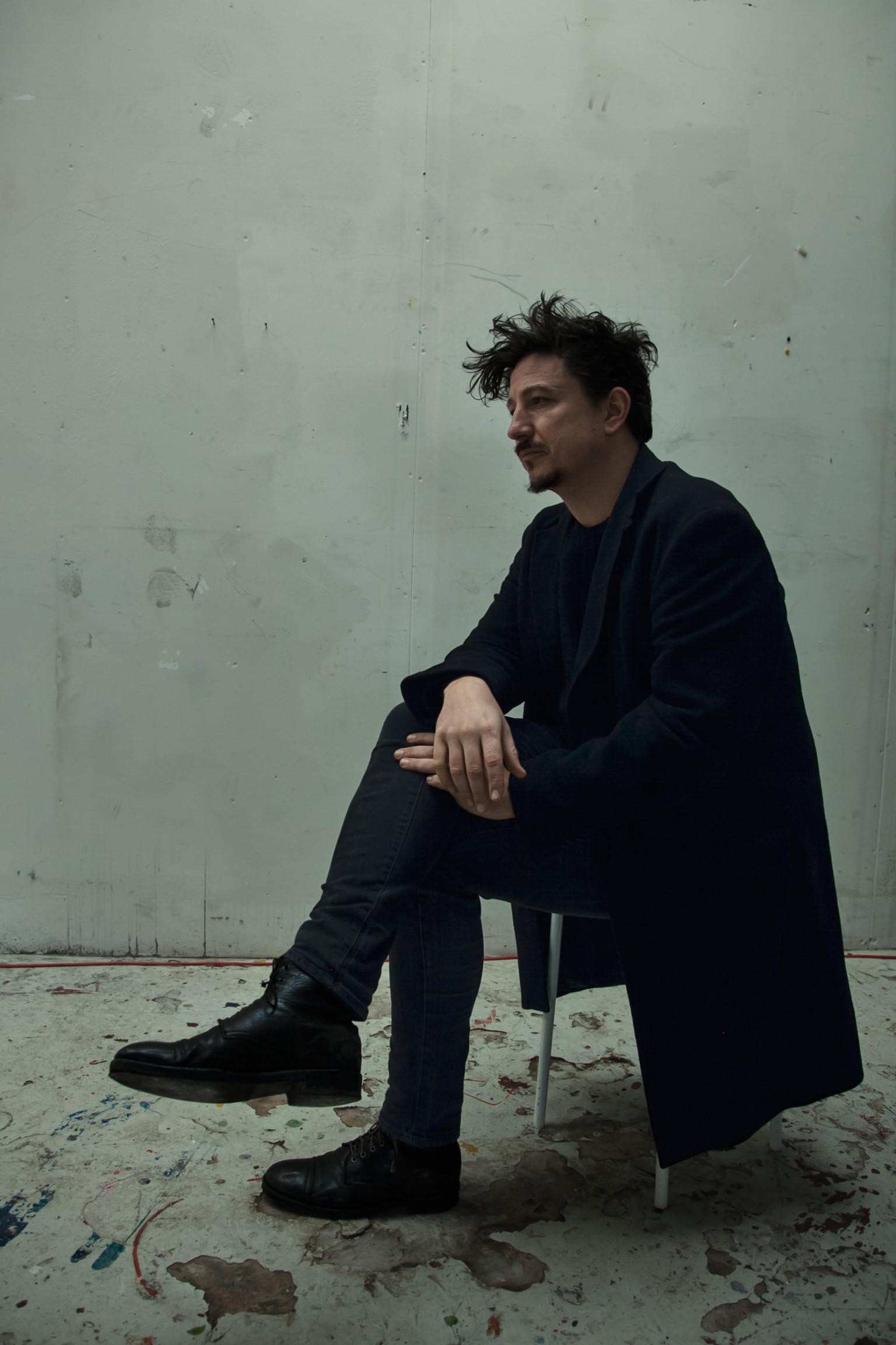
»Musik for mig er følelsernes sprog. Det er det sprog, der kommunikerer ting, der ikke indkapsles med ord. Det er et flydende udtryk, der kan indeholde modsætninger på smukkeste og mest naturlige vis, og som indeholder både fortid og fremtid på samme tid – mit andet univers.«
Anders Filipsen er komponist, musiker og lydkunstner, uddannet fra Rytmisk Musikkonservatorium i København i 2010. Han arbejder i krydsfeltet mellem improvisation og komposition, akustisk og elektronisk lyd, og trækker på genrer som avantgardejazz, moderne klassisk musik, vestafrikanske traditioner og eksperimenterende elektronik. Han har skabt værker for solister, mindre ensembler og storbands, samt en lang række installationskoncerter., hvor lyd møder dans, lys, mad, video og poesi. Medlem af kunstnerkollektivet og pladeselskabet ILK siden 2011. Kendt fra grupper og samarbejder med Anders Filipsen & The Black Nothing, MESMER, TEETH, AFT, The Firebirds, Jakob Kullberg Ensemble og Nastio Mosquito.
»Musik for mig er i høj grad et valg. Jeg er meget lidt fan af baggrundstapet eller musik til arbejdet, selvom jeg i mit virke, som både musiker og tekstforfatter, er dybt afhængig af det musiske element. Min smag er ret bred, som det tydeligt vil fremgå af min playliste, og mit valg af musik er i højeste grad afhængigt af mit humør. Lettere depressiv er det Bill Evans eller Mahler, solskinshumør, italiensk patospop eller Gino Vanelli. I det klassiske tankeeksperiment – vil du helst miste synet eller hørelsen – hælder jeg mod blindheden. Jeg har set rigeligt. Musikken må ikke forstumme.«
Søren Lampe er sanger, komponist og tekstforfatter. Hans nyeste udgivelse, The Lamp is Low, er hans sjette i eget navn – heraf to på dansk, den ene med udelukkende egne sange, undtagen ét enkelt nummer. Genren er jazz, men med tydelige aftryk af soul, blues, bossa nova, den danske sangskat og klassisk musik.
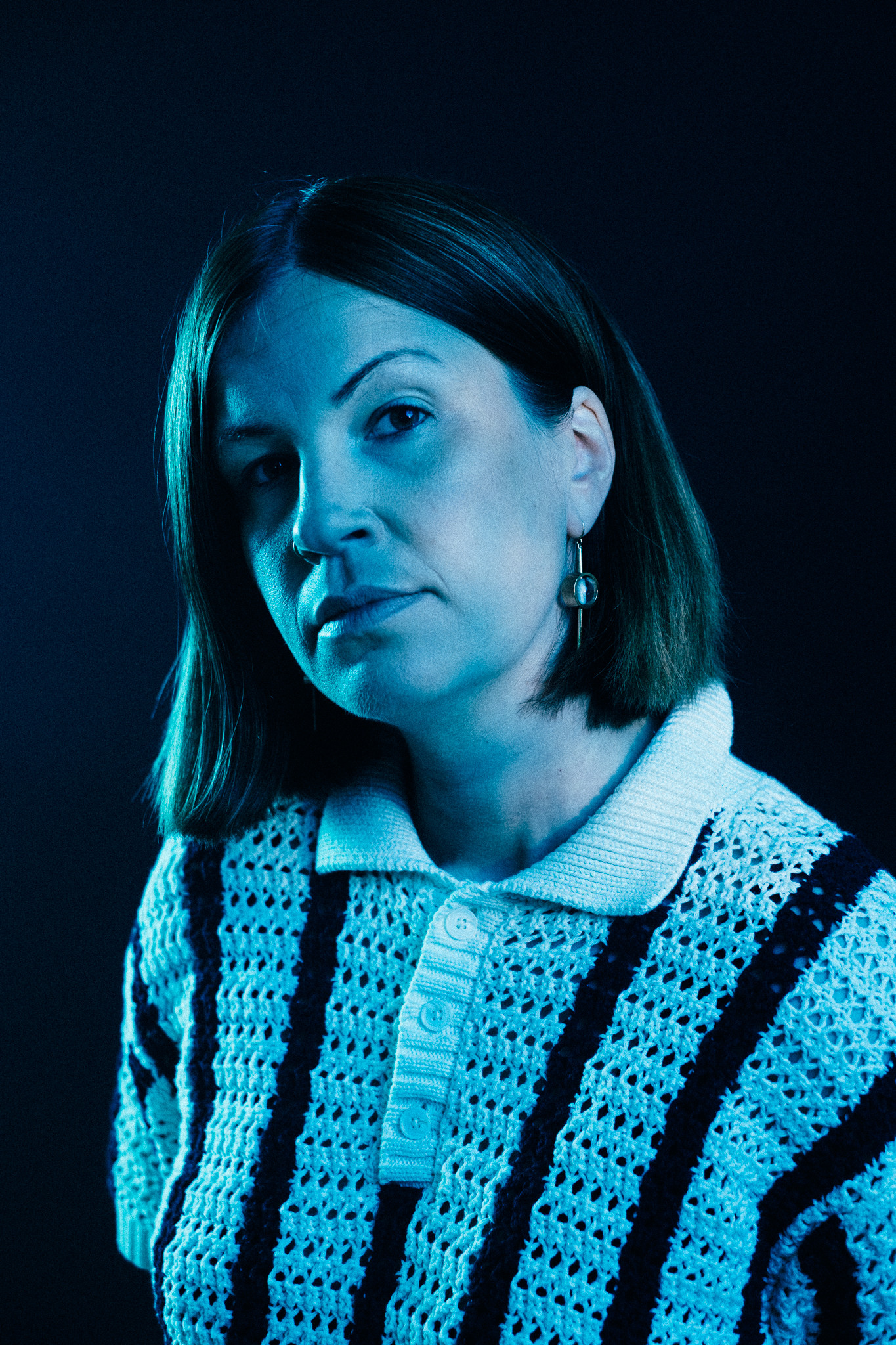
»Music is where my heart is. The place where I feel the most freedom and possibility to express myself. It's also the place I seek to when I need to calm down.«
Anna Roemer is a Danish guitarist and composer from South Zealand, now based in Copenhagen. She has performed with artists like Hannah Schneider, Jacob Bellens, and Guldimund. Together with saxophonist Cecilie Strange, she forms the acclaimed duo K A L E II D O, known for music that constantly evolves. The duo has received national and international praise and won the Carl Prize for »Jazz Composer of the Year« for their albums Elements and Places (2024).
Surely, I can’t be the only one who nearly choked on my oyster on New Year’s Eve, when King Frederik X delivered his first New Year’s speech. What a modern take on the old tradition! Instead of sitting solemnly at a desk, he calmly walked into the room – a room demanding attention, where a futuristic mural stole the show. I could barely focus on the speech itself, distracted by the psychedelic imagery behind him: a visual nod to Yellow Submarine by The Beatles. Was this a sign of a rock star ascending the throne?
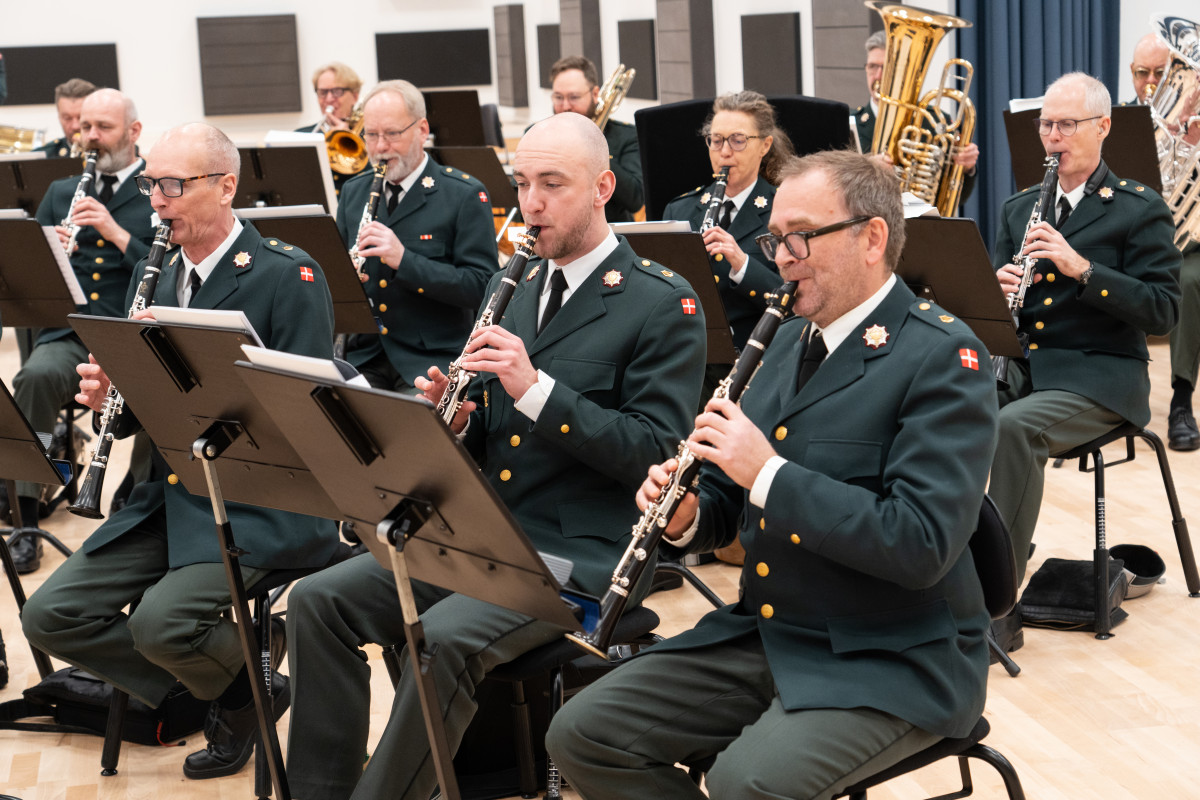
Wishful thinking, as it turned out. The speech turned into a parade of predictable platitudes. The same can be said about the King’s new Honour March, composed by David M. A. P. Palmquist, former conductor of the Royal Danish Life Guards Music Corps. A traditional and sluggish piece that plays it entirely by the book.
Since H.C. Lumbye gifted a march to Frederik VII in 1861, it has been a tradition for members of the royal family to be granted personal marches. Take the lively and self-ironic Parade March for Queen Margrethe, which includes quotes from both »I Danmark er jeg født« and »Daisy Bell«. Or Crown Prince Frederik’s brisk and quirky Honour March in 6/8 time – written by Fuzzy for the now-King’s 30th birthday – tipping its hat to Carl Nielsen’s »Som en rejselysten flåde«.
But where is the personal character in Palmquist’s march? The composer approaches the task far too conceptually, attempting to give the piece a musical signature with a kind of rebus at the beginning. The first note is an F, followed by one ten steps higher – thus spelling »Frederik the 10th« in musical code. The many references to other military music are just as internal. What’s missing is something that breaks with protocol – just like King Frederik himself has done in his most memorable and beloved moments. In the end, it sounds like a march that has forgotten who it was written for.
English translation: Andreo Michaelo Mielczarek. Proofreading: Seb Doubinsky