
Eivind Buene
9

 tidsskrift for ...
Surely, I can’t be the only one who nearly choked on my oyster on New Year’s Eve, when King Frederik X delivered his first New Year’s speech. What a modern take on the old tradition! Instead of sitting solemnly at a desk, he calmly walked into the room – a room demanding attention, where a futuristic mural stole the show. I could barely focus on the speech itself, distracted by the psychedelic imagery behind him: a visual nod to Yellow Submarine by The Beatles. Was this a sign of a rock star ascending the throne?
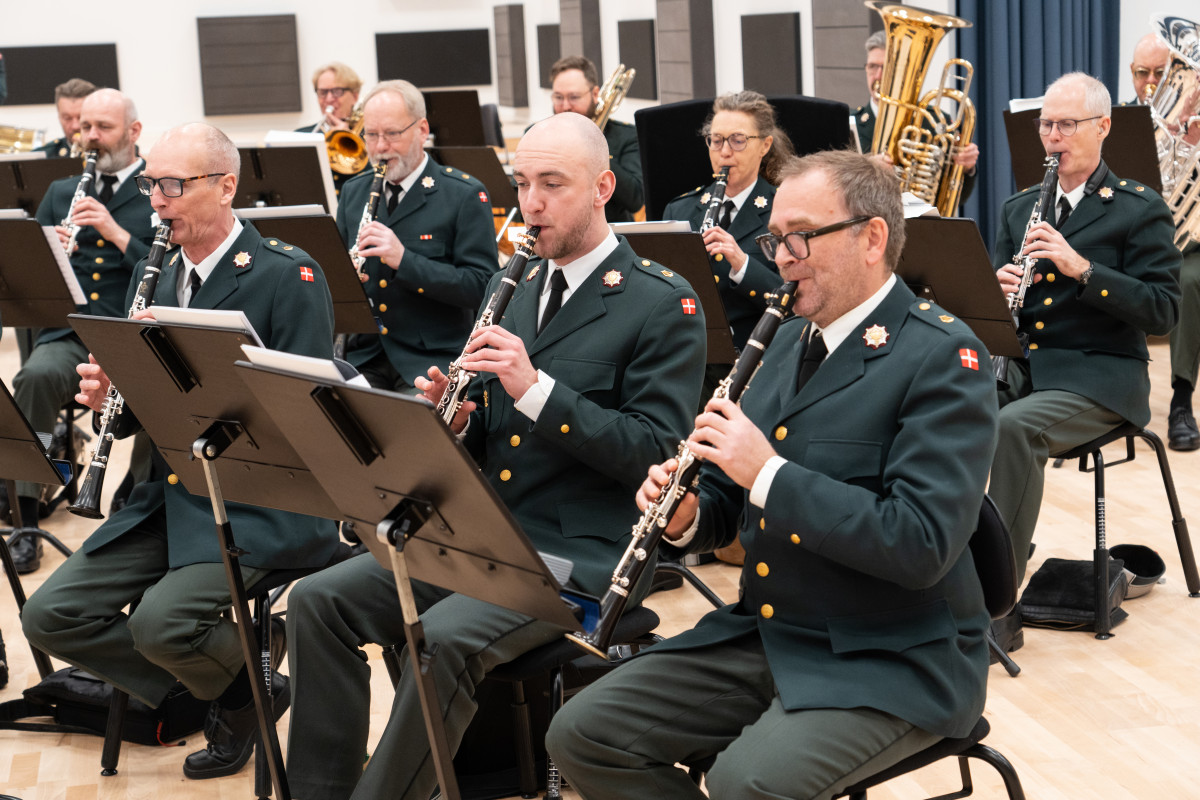
Wishful thinking, as it turned out. The speech turned into a parade of predictable platitudes. The same can be said about the King’s new Honour March, composed by David M. A. P. Palmquist, former conductor of the Royal Danish Life Guards Music Corps. A traditional and sluggish piece that plays it entirely by the book.
Since H.C. Lumbye gifted a march to Frederik VII in 1861, it has been a tradition for members of the royal family to be granted personal marches. Take the lively and self-ironic Parade March for Queen Margrethe, which includes quotes from both »I Danmark er jeg født« and »Daisy Bell«. Or Crown Prince Frederik’s brisk and quirky Honour March in 6/8 time – written by Fuzzy for the now-King’s 30th birthday – tipping its hat to Carl Nielsen’s »Som en rejselysten flåde«.
But where is the personal character in Palmquist’s march? The composer approaches the task far too conceptually, attempting to give the piece a musical signature with a kind of rebus at the beginning. The first note is an F, followed by one ten steps higher – thus spelling »Frederik the 10th« in musical code. The many references to other military music are just as internal. What’s missing is something that breaks with protocol – just like King Frederik himself has done in his most memorable and beloved moments. In the end, it sounds like a march that has forgotten who it was written for.
English translation: Andreo Michaelo Mielczarek. Proofreading: Seb Doubinsky
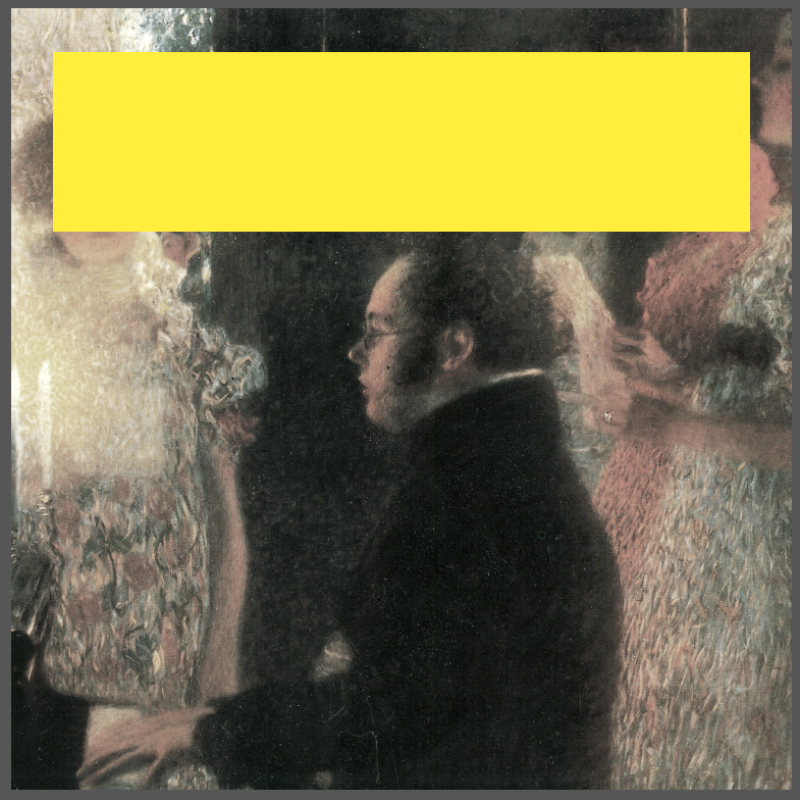
It is always a huge risk to re-interpret classical icons and drag them onto the contemporary scene, especially if you are an award-winning composer and musician of international fame, such as the Norwegian Elvind Buene. Classical music, like all genres, has its small circle of purists and aficionados that are prompt to flag down any attempt to move the statues they adore out of their mausoleums. And this is exactly what Eivind Buene does in his Schubert Lounge album.
The title itself announces an unorthodox approach to the famous German Romantic musical genius: a lounge is not exactly the type of room or architectural installation one would immediately associate with Franz Schubert. But what Buene points to is that Schubert’s music, and more specifically his songs, the famous lieder sung by Kathleen Ferrier and Dietrich Fischer-Dieskau, are about intimacy and that they can be heard today in the half-lit comfort of a lounge, as they were in a salon by candlelight.
There are ten songs on the album, all with their titles in English and without the corresponding German name. For instance, we have »The Sea« and »Beautiful Moon«, which are (very well) known as »Am Meer« and »An Den Mond«. The songs themselves are translated (or adapted) into English, turning the whole project into a singular musical object, which totally deconstructs the traditional prison walls of music history.
Eivind Buene’s voice does not compare with Ferrier’s or Fischer-Dieskau, and it doesn’t even try to. By re-arranging harmonics in modern dissonances and replacing the nuances with a surprising flatness of tone, sometimes switching to delicate higher notes, Buene tells us that classical music is not what we assume it to be: a motionless monument that keeps repeating itself. Turning Schubert into a transnational composer is a radical choice, and a real dangerous one, the risk being to be laughed at, shunned or, even worse, ignored. A Norwegian artist deciding to sing 19th century German lieder translated into English in 2022 is not just an act, it is a radical manifesto. As Buene has written in an article published online, »Music is always now in the sounding moment. Music is, in a sense, a history of unfinished work.«
And this album absolutely proves it.
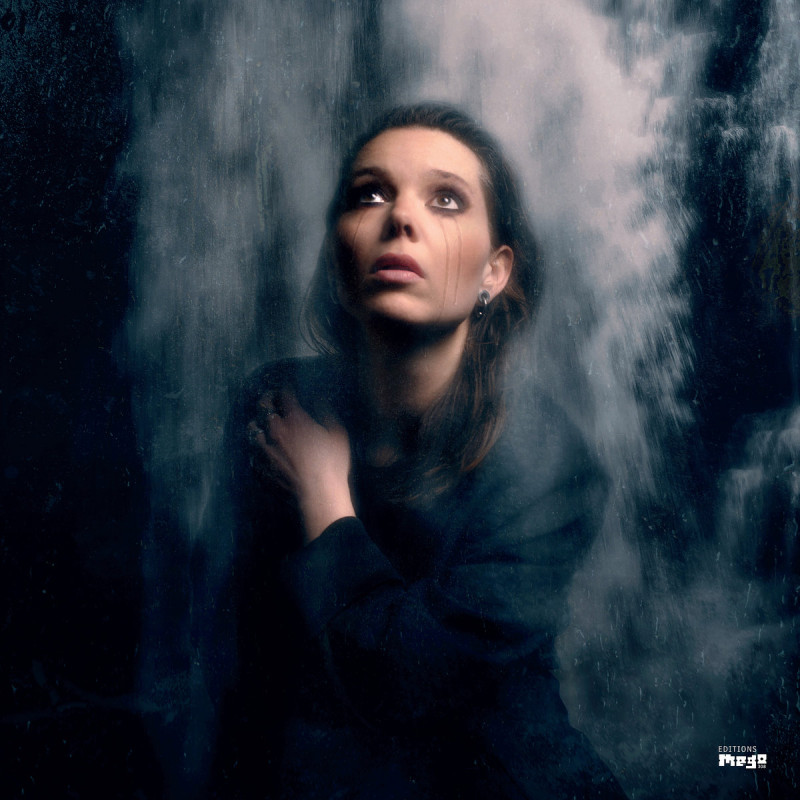
Der er lagt blod, sved og tårer i Grand Rivers nyeste album All Above. Det kan man høre i detaljerigdommen i de elektroniske cut-ups, som gang på gang svæver ind og ud af lytterens opmærksomhed i de små 40 minutter, som pladen varer. Berlin-baserede Aimée Portioli nedbryder grænserne for elektronik og akustik på denne samling af kompositioner, der ligger et sted mellem lydinstallation og klassisk elektronik. Der synes langt fra de intime klaverforløb på den indledende »Quasicristallo« til den stakåndende »In the Present As the Future«, som vokser fra en kold blanding af oscillationer, sinusbølger og stemme-samples til et afsluttende rytmisk forløb, der ligger tættere på dansegulvet end kunstinstallationen.
Portioli formår at føje en magisk realisme til den ellers udtrådte blanding af ambient og klangkunst, for selvom man oftest genkender en lydkilde som analog eller akustisk, går der ikke længe, før lyden warpes, forvrænges og smadres, hvorefter den muterer og skifter karakter, som eksempelvis blæseorglet på den smukke »Seventy One Percent« eller de skærende violiner på den eminente »Kura«.
På All Above holder Grand River et sonisk spejl op foran lytteren og sætter spørgsmålstegn ved, hvornår noget i virkeligheden er virkeligt. Er det snart umuligt at vide, hvor lyden reelt kommer fra? Er alt musik ikke elektronisk her i det 21. århundrede?

Omtrent halvvejs i livet synes man måske nok, man har set det hele, men heldigvis tager man fejl. Tag nu bare det blomstrende københavnske miljø for moderne dans, som jeg har brugt et halvt liv på at overse. Det står klar til at gribe dig med sammenviklede kroppe og nye kompositioner, begge dele med akut antiblasert virkning.
Som nu for eksempel Immortal Summit i aftes, en denimbetrukket duoperformance med flosset musik af Holger Hartvig for forvrænget guitar, dunkende bas og dinglende saxofon.
Her fremmanede to stolte kroppe – BamBam Frost og Lydia Östberg Diakité – en paradoksal mandehørm af arrogant afsky og muskelpositurer, mens de gik i cirkler og kastede med sækkestole. Friskt prikkede Hartvig hul på attituden med en udstrakt rundgang af rockvræl, der langsomt blev centrifugeret til ukendelighed: punkteret testosteron.
Efterhånden indfandt sig i stedet en intimitet. Kroppene viklede sig gulvnært ind i hinanden, og afstumpet guitarstøj blev til famlende ro med nøgen, let ustemt bas i centrum og svag cikadeimitation i baggrunden. Til lyden af drømmende syntharpeggio og en saxofon så fri som et vindspil forvandlede hanekamp sig til akrobatisk tillid og fælles ømhed. Saligt!
Samme opløftende brainstorm mellem musikalsk og koreografisk tænkning har jeg de sidste måneder også set i andre danseprojekter som MYKA’s Regnbuen med absurdistisk MIDI-lyd af Christian Vogel og Antoinette Helbings The Mirror Project med suggererende elektronik af Mads Emil Nielsen.
Danseverden, jeg ser og hører dig nu!
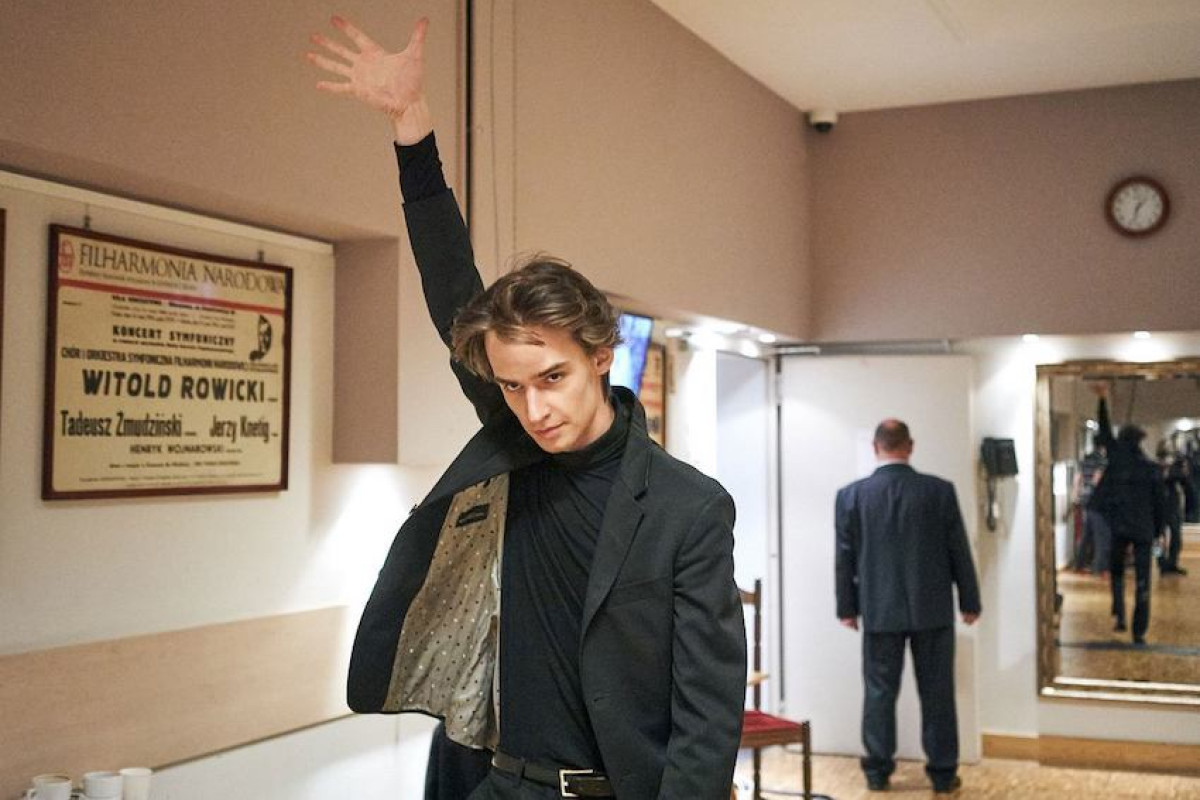
»They are serious machines. They have been training all their lives. They are like the CIA,« it says in the documentary Pianoforte, which follows a number of pianists up to The International Chopin Piano Competition in Warsaw. The young people experience dramas in the music that they have not yet experienced in real life. One will celebrate a possible victory with a Chopin tattoo. Another films himself endlessly with his iPhone: »The more you look like Chopin, the better«. It’s all about Chopin hair. Tangent equilibrium goes hand in hand with attitude and showmanship, which the sensitive pianistic machines must also control. The ecstasy and revolutions of the Polish-French pianistic guru's super-romantic music also demands étude (»practice«, »eagerness«, »interest«, »occupation«).
How to compete in music? Jakub Piątek’s Pianoforte depicts in a raw and moving way these piano-fighters backstage. While their nerves are sweating under their nice concert clothes. While they articulate that there is no plan B. As much as they love the polonaises and nocturnes they play, as much is their absolute respect, coupled with the fear of experiencing a blackout when it is their turn to – perhaps – write the next chapter in this piano battle, which has taken place since 1927 and is as brutal as fist fighting. But also so damn beautiful. It just sounds so damn good when 17-year-old Hao's delicate piano fingers hit the piano in the kitchen at home in China, while his mother is cooking just beside him. Bread and Chopin – that's life!
Translation from Danish: Andreo Michaelo Mielczarek
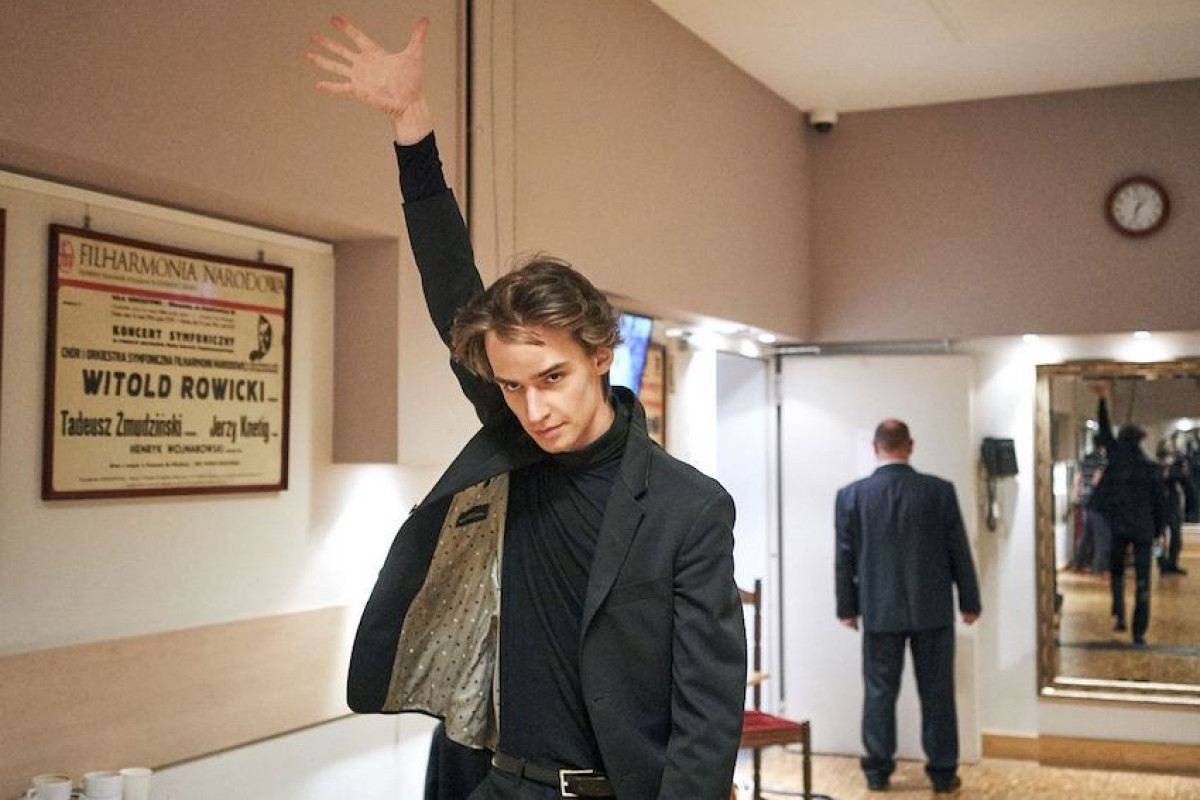
»De er seriøse maskiner. De har trænet hele deres liv. De er som CIA,« lyder det i dokumentarfilmen Pianoforte, som følger en række pianister op til The International Chopin Piano Competition i Warszawa. De er unge, de gennemlever dramaer i musikken, som de endnu ikke har oplevet i det virkelige liv. En vil fejre en eventuel sejr med en Chopin-tatoo. En anden filmer sig selv endeløst med sin iPhone: »Jo mere man ligner Chopin, jo bedre«. Bølget Chopin-hår spiller. Tangent-ekvilibrisme går hånd i hånd med attitude og showmanship, som de følsomme pianistiske maskiner også må kontrollere. Ekstasen og revolutionerne i den polsk-franske pianistiske gurus super-romantiske musik kræver også étude (»øvelse«, »iver«, »interesse«, »syssel«).
Hvordan kan man konkurrere i musik? Jakub Piąteks Pianoforte skildrer råt og bevægende piano-fighterne, zoomer ind på deres svedende nerver under det pæne koncerttøj, backstage – mens de udtrykker, at de ikke har nogen plan B. Lige så meget de elsker de polonaiser og nocturner, de spiller, lige så stor er den næsegruse respekt og frygten for at gå i sort, når det er deres tur til – måske – at skrive det næste kapitel i denne piano-battle, som er foregået siden 1927 og jo er lige så brutal som kampsport på næver. Men også så smuk. Det lyder bare så forbandet godt, når 17-årige Haos delikate klaverfingre rammer klaveret hjemme i køkkenet i Kina, mens hans mor står ved siden af og laver mad. Brød og Chopin – det er livet!