
Not the Royal Rock Star We Might Have Wished For
Surely, I can’t be the only one who nearly choked on my oyster on New Year’s Eve, when King Frederik X delivered his first New Year’s speech. What a modern take on the old tradition! Instead of sitting solemnly at a desk, he calmly walked into the room – a room demanding attention, where a futuristic mural stole the show. I could barely focus on the speech itself, distracted by the psychedelic imagery behind him: a visual nod to Yellow Submarine by The Beatles. Was this a sign of a rock star ascending the throne?
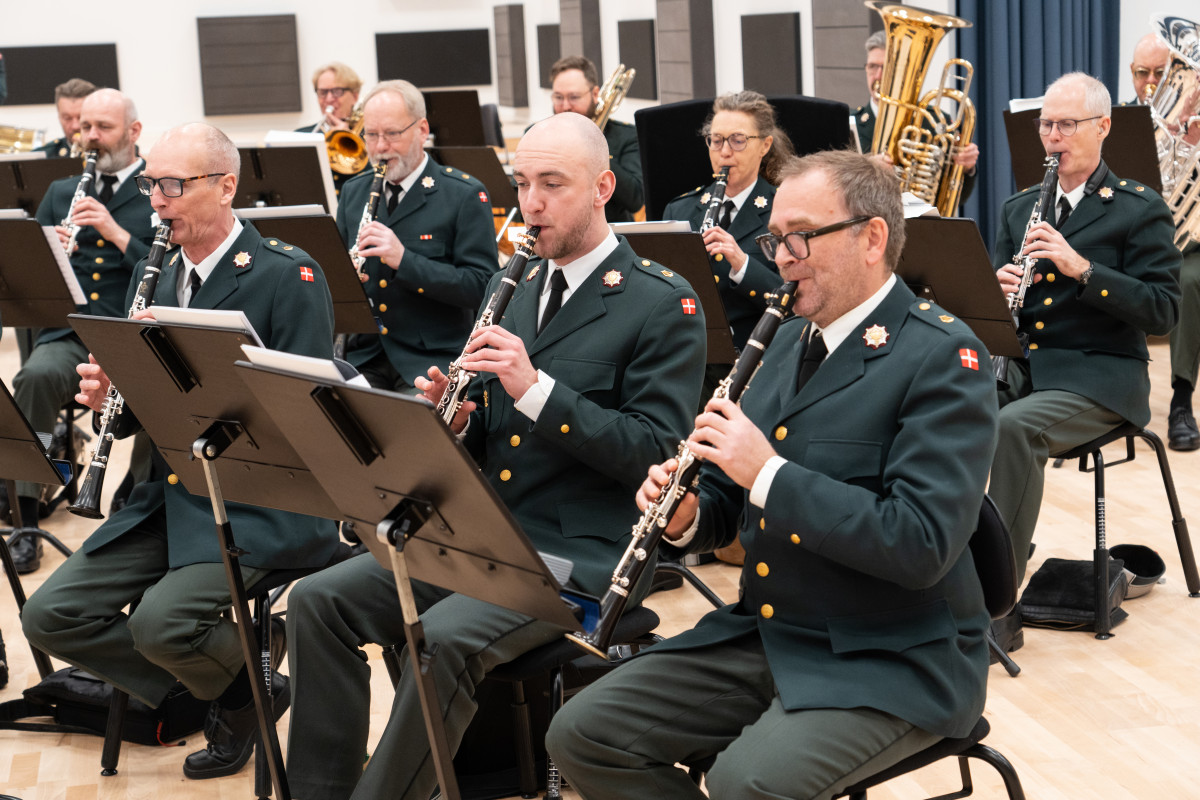
Wishful thinking, as it turned out. The speech turned into a parade of predictable platitudes. The same can be said about the King’s new Honour March, composed by David M. A. P. Palmquist, former conductor of the Royal Danish Life Guards Music Corps. A traditional and sluggish piece that plays it entirely by the book.
Since H.C. Lumbye gifted a march to Frederik VII in 1861, it has been a tradition for members of the royal family to be granted personal marches. Take the lively and self-ironic Parade March for Queen Margrethe, which includes quotes from both »I Danmark er jeg født« and »Daisy Bell«. Or Crown Prince Frederik’s brisk and quirky Honour March in 6/8 time – written by Fuzzy for the now-King’s 30th birthday – tipping its hat to Carl Nielsen’s »Som en rejselysten flåde«.
But where is the personal character in Palmquist’s march? The composer approaches the task far too conceptually, attempting to give the piece a musical signature with a kind of rebus at the beginning. The first note is an F, followed by one ten steps higher – thus spelling »Frederik the 10th« in musical code. The many references to other military music are just as internal. What’s missing is something that breaks with protocol – just like King Frederik himself has done in his most memorable and beloved moments. In the end, it sounds like a march that has forgotten who it was written for.
English translation: Andreo Michaelo Mielczarek. Proofreading: Seb Doubinsky
Mathias Reumert Group forstår kunsten at lege med lyd
Mathias Reumert Group er et legesygt og tæt sammenspillet slagtøjsensemble. Det stod allerede klart, da man trådte ind i KoncertKirken – langsiden af salen var massivt fyldt med et imponerende arsenal af slagtøjsinstrumenter, klar til at vække rummet til live. Først på programmet var en skøn fremførelse af György Ligetis »Síppal, Dobbal, Nádihegedüvel« med sopran Anna Caroline Olesen. Et værk båret af humor og evigt omskiftelige men velplacerede lyde: mundharpe, dommerfløjter, marimba, tubular bells og meget andet. Vi var endda så heldige at høre den sidste sats to gange.
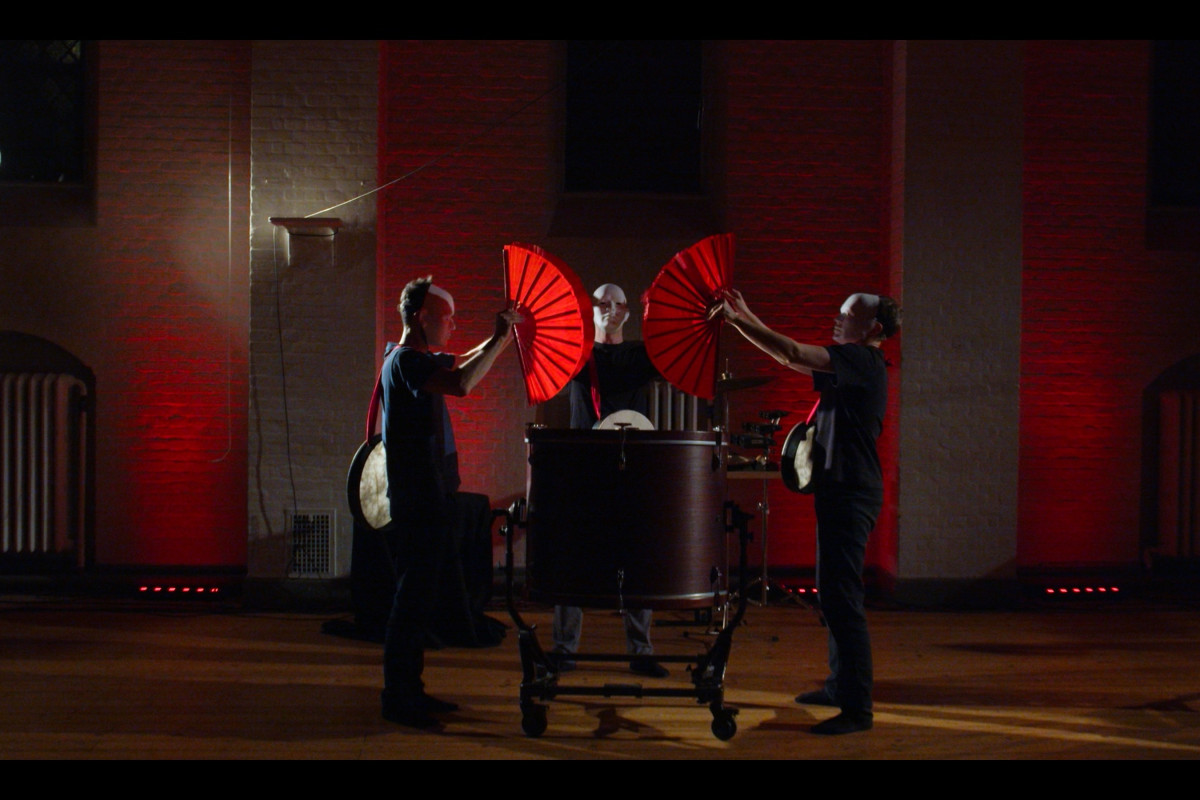
Det tidlige ekstranummer løsnede op i det ellers lidt fortærskede koncertformat; først et værk, så det næste og så fremdeles. I ny-musik ensembler ser man oftere og oftere kuratoriske og konceptuelle rammer for koncerterne. Måske en udvikling, dette nysgerrige ensemble kunne få glæde af? Til sidst var Chiung-Ying Changs »Solar Myth« – et musikteater fæstnet i taiwanesisk kultur, hvor rekvisit og instrument gik ud i et. Tre maskerede væsener spillede sagte på en stortromme, som indledte de et ritual. Men ritualet blev brat forstyrret, da en fjerde percussionist trådte frem og udøvede modstand med marimbaens toner. De tre væsener svarede igen med skarpe, gennemtrængende smæld fra deres knaldrøde vifter – men marimbaen gav ikke efter. Det udviklede sig til et sprængfarligt lydbillede af metallisk slagtøj, der lød lyst, klirrende og dansende. Dramaturgien syntes formet af en dyb forståelse for musikkens væsen. Henrivende. Man forlod KoncertKirken lidt højere, gladere og mere legesyg.
There are twelve tracks on Josefine Opsahl’s album Cytropia, each with the duration of a rock song. Remarkably, there is a straight line from the first to the last – both in timbre, rhythm, melody, atmosphere, and playing. The ears are embraced by a gentle melancholy created by small cello figures in long sequences, with a slow-moving cello melody on top. Some parts in minor, others more open.
She is receiving quite a lot of praise these days for her many projects – an opera and a ballet – alongside her work as a cellist-composer, and it must almost be due to the highly accessible, cohesive, and dreamy sound she consistently delivers. I must admit that I have become somewhat skeptical along the way. Both as a musician and as a composer, I wish she would challenge herself with new approaches and new visions for the stories her music should tell. On Cytropia, we approach a constant state of uniform sound, evoking thoughts of the deliberate inertia of New Age composers.
There are quite beautiful moments along the way. The track »Cyborg« is crystal-clear in its surface. A piece like »Leaverecalls«, in its mechanics, the American minimalism of Philip Glass. But once again, one misses displacements and rhythmic additions that could challenge the static soundscape. The last hundred years of experimentation have expanded the battlefield of cello playing. Opsahl draws on some of these experiences to create her own small mechanical accompaniments for herself. Yet, the setup with a sequencer and a cello seems limiting in allowing Opsahl to explore timbres and ideas where the gravity of melancholy can truly be felt.
Der er tolv skæringer på Josefine Opsahls album Cytropia, hver af en rocksangs varighed. Bemærkelsesværdigt nok er der en lige linje fra den første til den sidste – både klangligt, rytmisk, melodisk, i stemningen og i spillet. Ørene omfavnes af en let melankoli skabt af små cellofigurer i lange sekvenser med en langsommelig cellomelodi ovenpå. En del i mol, andet mere åbent.
Hun får ret meget ros for tiden for sine mange projekter – en opera og en ballet – ved siden af produktionen som cellokomponist, og det må næsten være på grund af den meget tilgængelige, helstøbte, drømmende sound, hun er garant for. Jeg må indrømme, at jeg er blevet lidt skeptisk hen ad vejen. Både for hende som musiker og som komponist vil jeg ønske, at hun udfordrede sig selv med nye tilgange og nye visioner for, hvilke historier hendes musik skal fortælle. På Cytropia nærmer vi os en konstant tilstand af ensartet lyd, der får tankerne hen på new age-komponisternes bevidste inerti.
Der er ret smukke tilstande undervejs. Nummeret »Cyborg« er glasklart i sin overflade. Et nummer som »Leave« minder i sin mekanik om amerikansk minimalisme, som Philip Glass kan skrive den. Men igen savner man forskydninger og rytmiske tilføjelser, der kan udfordre det statiske lydbillede. De sidste 100 års eksperimenter har udvidet kampzonen for cellospillet. Opsahl bruger nogle af de erfaringer til at skabe sine egne små mekaniske akkompagnementer til sig selv. Alligevel virker setup’et med en sequencer og en cello begrænsende for, at Opsahl kan nærme sig klange og ideer, hvor melankoliens alvor kan mærkes.
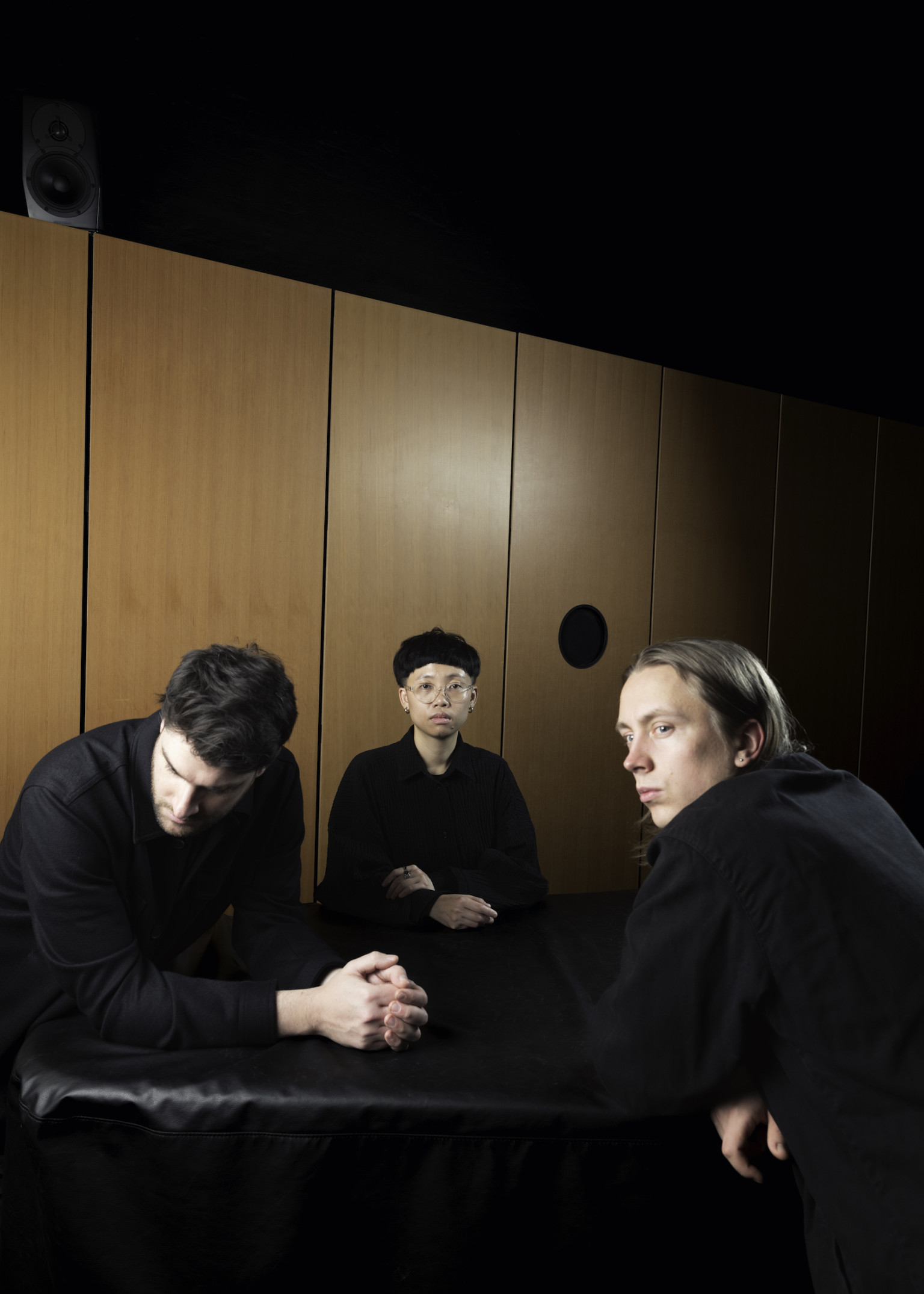
We are NEKO3 – would you like to see our playlist?
NEKO3 has performed at Festival Internacional de la Imagen, SONICA Glasgow, cresc... Biennale, Time Of Music, Rondò, MINU festival, Copenhagen Light Festival, Unerhörte Musik and Spor Festival. They have been featured as soloists with the Danish National Symphony Orchestra and the Aarhus Sinfonietta, and given workshops and presentations at ie. Standford University, the Royal Danish Academy of Music, Hochschule für Musik und Theater Hamburg, University of California San Diego and Kungliga Musikhögskolan (SE). The ensemble has recorded multiple EP’s and released their first full length album Angel Death Traps in collaboration with Alexander Schubert in 2024.