kortkritik

Modstandens trommer

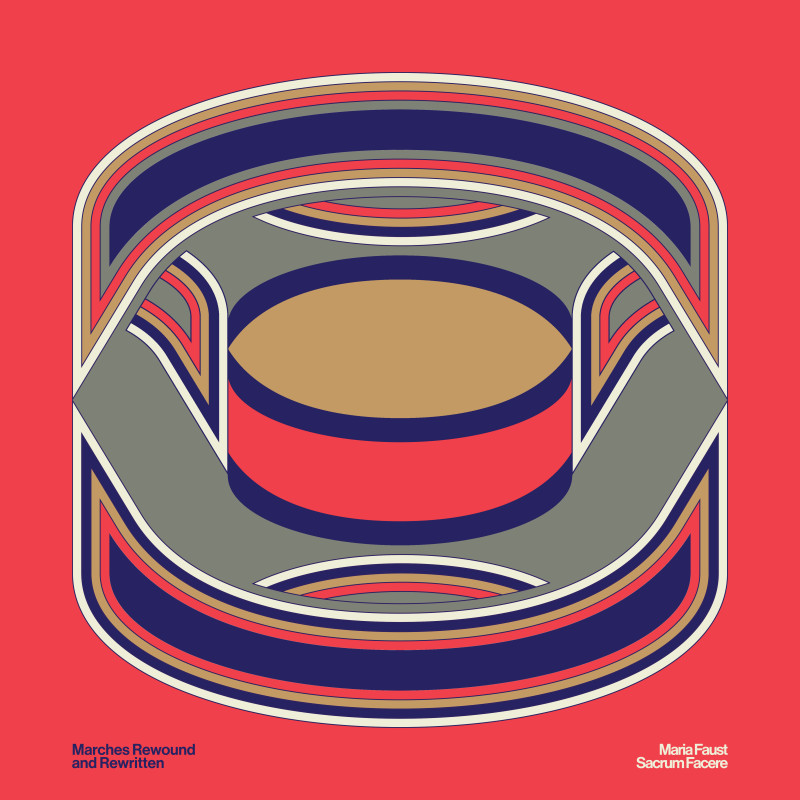
Maria Faust Sacrum Facere: »Marches Rewound and Rewritten«
© PR
12. august

Med sit seneste album har saxofonisten og komponisten Maria Faust sat det politiske i centrum af jazzen – i den lange tradition efter Ornette Coleman, Miles Davis, Charlie Haden, Fred Frith og Tom Cora, for blot at nævne nogle få. Det overraskende er hendes valg af genre: marcher, som i sig selv ikke er en traditionel jazzform. Hvis Charles Mingus for eksempel hyldede New Orleans’ marching bands, er Fausts valg uden tvivl mere konfrontatorisk. De marcher, hun manipulerer og nedbryder indefra, er ikke af den underholdende slags – medmindre man er general – for de tilhører den militære og nationalistiske kategori.

Fausts musik ville passe perfekt til stykker som Alphonse Allais’ Père Ubu og Bertolt Brechts Den afviselige opstigning af Arturo Ui, i kraft af dens brug af det groteske som en kreativ drivkraft. Fausts geni ligger dog ikke i at forvandle disse marcher til fjollede cirkusfanfarer, men i at skabe et ægte truende rum i musikken – gennem kaos, men også gennem hjerteknusende dissonanser, som kan høres som et ekko af grådkvalte klagesange over de faldne i krig. Hendes relativt store ensemble – syv musikere plus hende selv – bestående af seks blæsere og to trommeslagere/percussionister, skaber et perfekt harmoni-disharmoni-univers, som hvis Charles Mingus og Sun Ra havde arbejdet sammen.

Marches Rewound and Rewritten er et skelsættende og vigtigt album, som lyser mørkt i disse svære tider og minder os om, at alt er politisk – især musik.

Playliste

Mit navn er Telestjernen – vil du se min playliste?
10. may
© Jane Gisselman

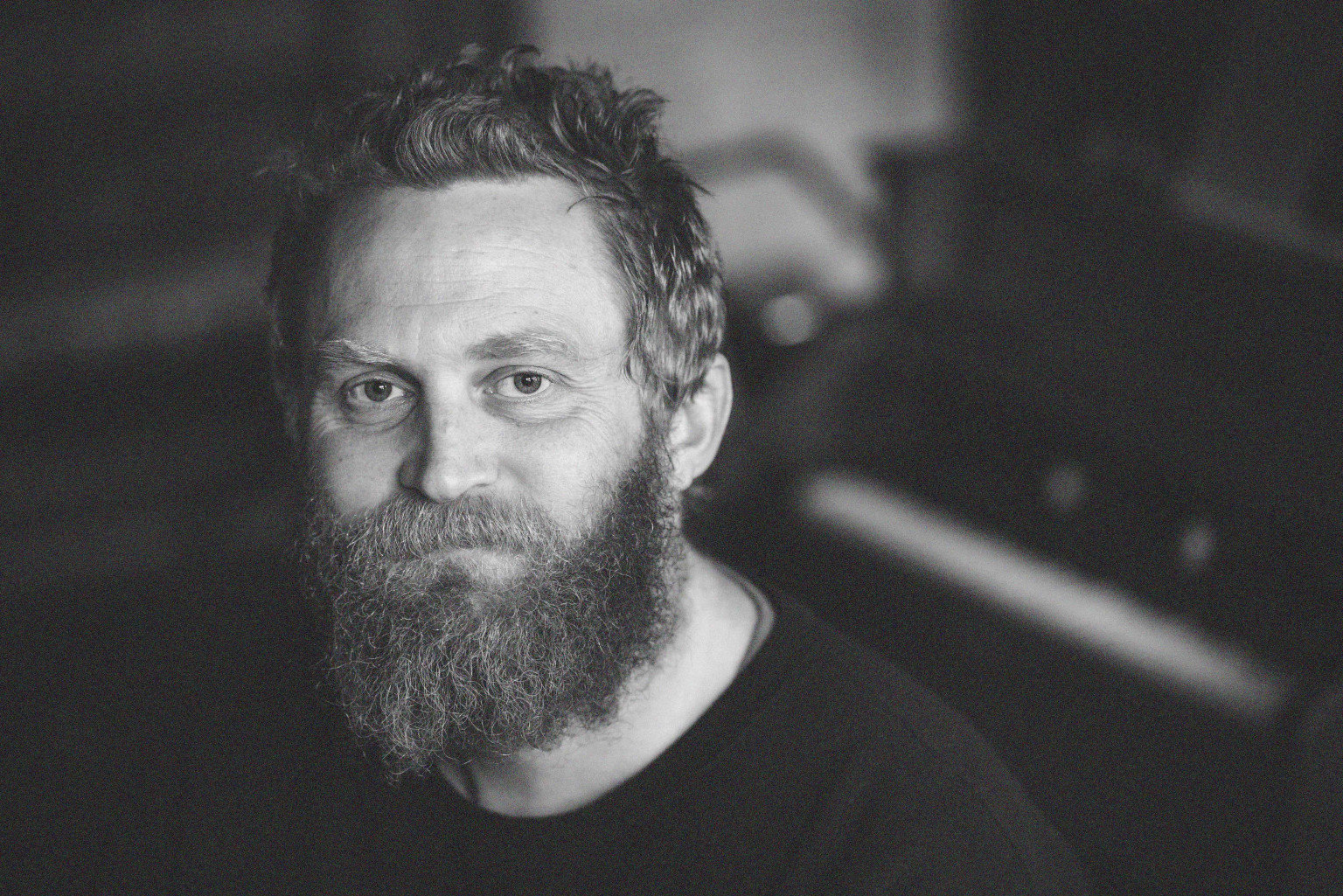
»Musik er for mig minder, følelser og oplevelser i – og af – verden. Men den handler lige så meget om at sætte noget i gang og måske – mest af alt – om at holde fast i den frie leg. At lege med andre! Og i den leg kan man proppe hvad som helst: provokationer, fortællinger, der binder os sammen som folk, åndssvage lyde fra jordbærfarvede orgler, rytmebokse af træ og strengeinstrumenter fra en nedlagt centralskole, og meget mere. Når man laver musik, ender det ofte med noget fysisk, man kan stå med i hånden og sige: ‘Det her kom inde fra mit hoved, men nu findes det fandme i virkeligheden – her, på vinyl!’ Og i morgen, du kære kaffekop, går turen i øveren, hvor vi spiller det med mit orkester. For musikken skal ud i verden. På nye eventyr. Sammen med os. Det kan musikken – og jeg – sammen. Det giver en vidunderlig følelse af frihed. Og det er en rar måde at være i verden på. Til alle tider.«

Rasmus Mørup Johansen (f. 1977) – bedre kendt som Telestjernen, men også som protestsangeren Rasmus Johansen fra Fly (tre albums) – er dansksproget sangskriver og musikalsk igangsætter. Han har desuden medvirket i sangskriverkollektiverne Keminova Cowboys og Arctic Assembly (ét album med hver). Ved siden af sit virke som sangskriver og fællesskabsbygger laver han også børnemusik til og med den lokale cirkusklub, Cirkus Højdeskræk. Herudover har han lavet musik med Onkel Reje, børneorkestre og børn fra hele landet. Aktuelt er Telestjernen ude med sit syvende album, Kultfilm fra Karup.
Playliste

My name is Sven Helbig – would you like to see my playlist?

9. may
© PR

»Every moment is nothing but the uttermost end of the past. Music makes this edge wide and beautiful.«

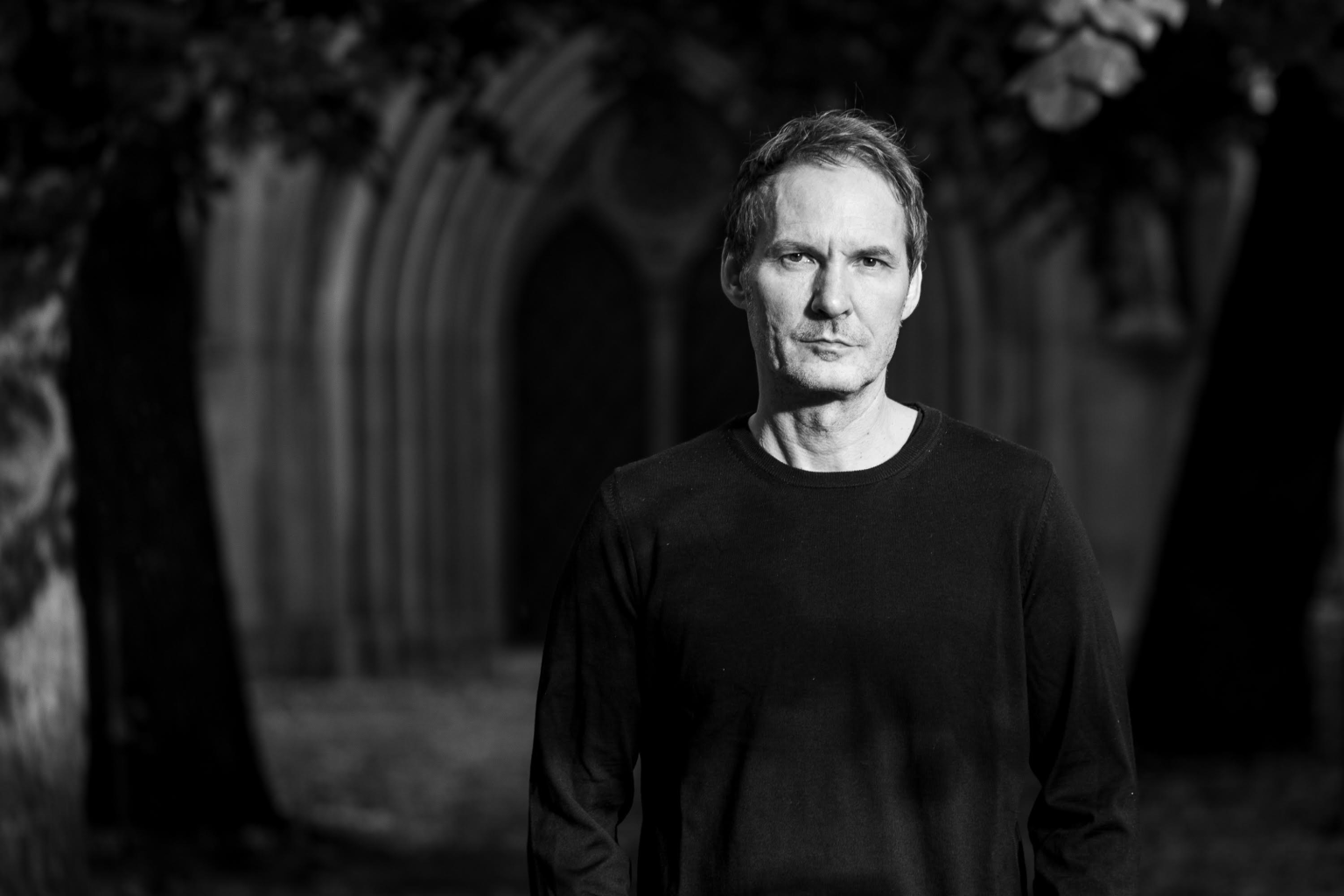
Sven Helbig is a German composer and producer known for combining orchestral and choral music with electronic elements and a strong poetic sensibility. A self-taught musician raised in Eisenhüttenstadt, he released his debut album Pocket Symphonies on Deutsche Grammophon to critical acclaim for its emotional depth and formal precision. Helbig has collaborated with ensembles such as the BBC Singers, Fauré Quartett, and Staatskapelle Dresden, as well as with artists like Rammstein and the Pet Shop Boys. He just released REQUIEM A on Deutsche Grammophon. It is a deeply personal and reflective composition, intertwining classical Latin liturgical texts with new ones written by Helbig himself. The work revolves around themes of loss, memory, and the possibility of renewal – with the »A« in the title symbolizing Anfang (beginning) and the belief in a new start after devastation.

Playliste

My name is Andreo Michaelo Mielczarek – would you like to see my playlist?

25. april
© Kåre Viemose

»Recently, I discovered that when a couple of thousand people clap their thick gloves in minus 30 degrees, it sounds like the softest techno – a freezing space where the cold air turns into a wave of warmth, and we, in a moment of collective devotion, become one with the rhythm, one with the invisible bond that connects us in the warmth of silence. Music is not just sounds, but a vain attempt to capture the infinite, which has always been and always will be.«

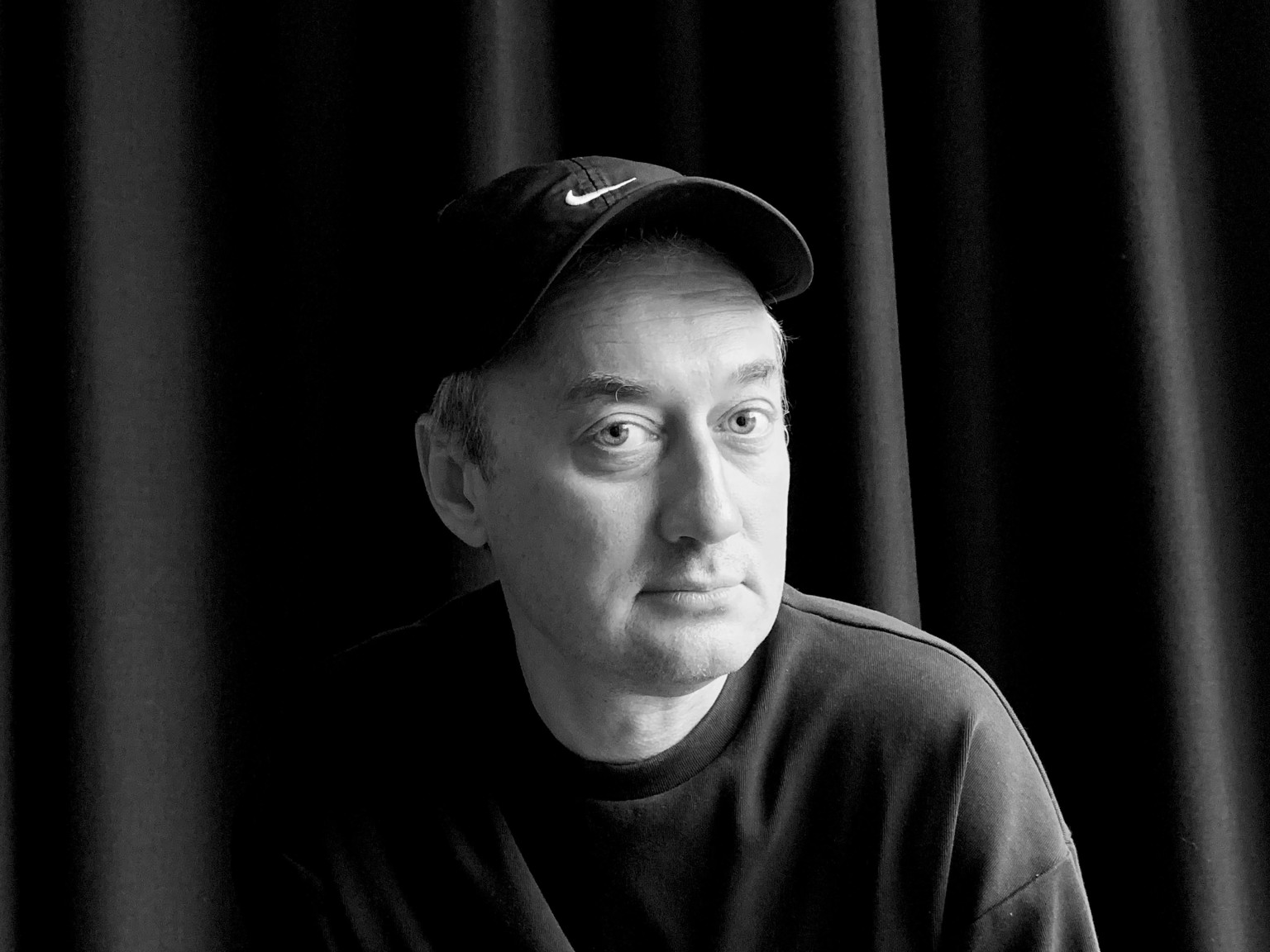
Andreo Michaelo Mielczarek has been the editor-in-chief of Seismograf since 2021. He is also a music critic and cultural journalist at Kristeligt Dagblad and Århus Stiftstidende/Avisen Danmark and has over the years written to publications such as Kunsten.nu, Glissando (Poland), Neural (Italy), Raw Vision (UK), Nutida Musik (Sweden), Kunstkritikk (DK/Sweden), Iscene.dk, B.T., and Jazz Special. He is the author (together with Lars Muhl) of the book HVA' SAA! En guidet rutsjebanetur gennem Aarhus – før, nu og i fremtiden (2024) and has also contributed to the anthology on music criticism Man skal høre meget (ed. Thomas Michelsen and Claus Røllum-Larsen, 2024). He is a founder and partner in the Polish-Danish cultural organization Kultur(a), and wherever there is a piano, he will be there, eager to coax a melody from it.

Playliste

My name is Patrick Becker – would you like to see my playlist?

25. april

»Music is hope, confusion, and memory talking with each other, leading us toward futures we haven't yet imagined.«

Patrick Becker is co-director of the Wolke Verlag publishing house and co-editor of the contemporary music magazine Positionen.

Playliste

My name is Bastian Zimmermann – would you like to see my playlist?

24. april
© PR

»A lot is projected onto music and making music – I'm careful, singing doesn't make you more intelligent and certainly doesn't make you a better person. It's like in sexuality. A lot of things go very consciously wrong for some people. Music like sex are means of communication, people come into contact and negotiate with each other and their instruments/tools and meet themselves in it. This is also the case when I listen to music – from every conceivable genre and context, even if I always notice that as a teenager I used to play a lot of jazz guitar.«

Bastian Zimmermann lives in Munich and works freelance in the areas of music and performance. As a dramaturge, he works with artists such as the soloist ensemble Kaleidoskop, Yael Ronen and Neo Hülcker. He is editor of the German speaking magazine Positionen – Texts on Current Music and curates projects such as »Music for Hotel Bars« and the festival Music Installations Nuremberg festival. His focus is on social aspects of making music, experimental music concepts and the questioning of bourgeois structures in contemporary music. In Spring 2025 he will take over the Wolke Verlag publishing house for books on music with Patrick Becker.