kortkritik

Doing it anyway

Mikkel Schou: Debut Concert I-II
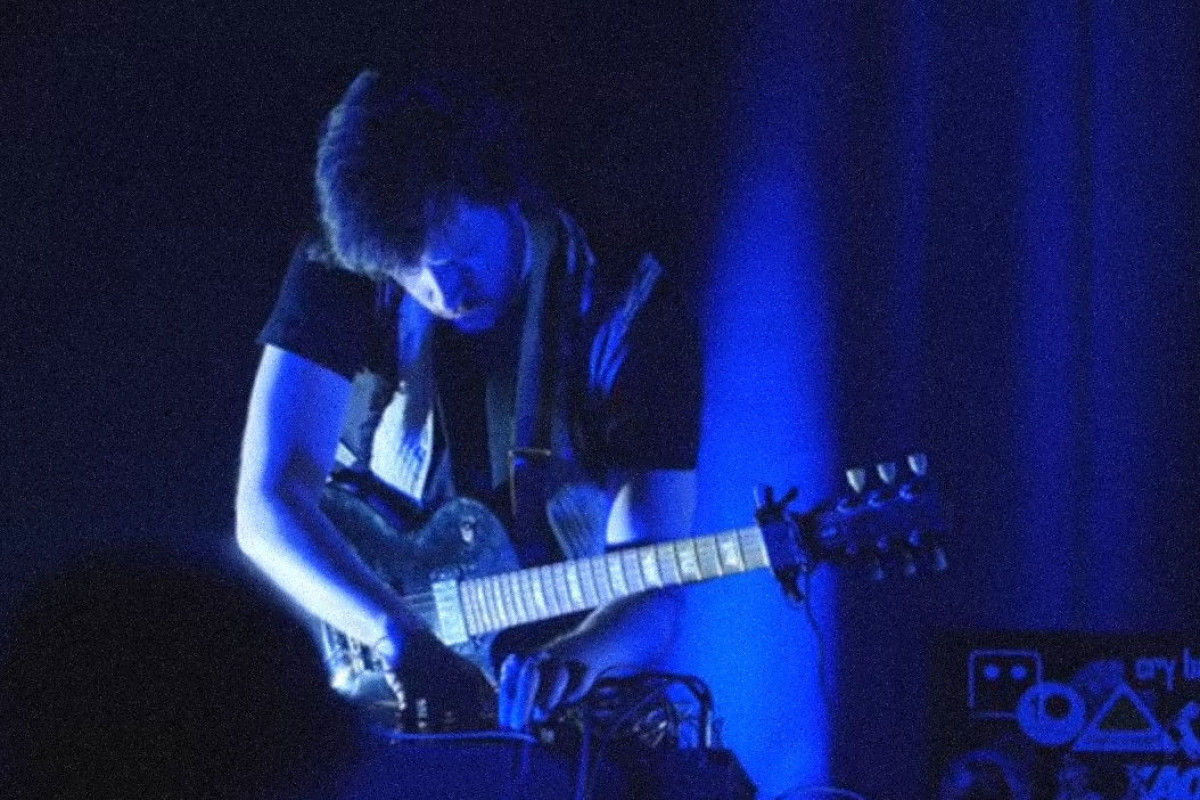
Mikkel Schou. © The Royal Danish Academy of Music
Mikkel Schou at his Debut Concert. © The Royal Danish Academy of Music
16. march

Schou is a powerhouse – unafraid to try new things, push himself in new directions, and pull us all along with him. We sorely need this energy, and we are lucky to have Schou and his do-it-anyway attitude.

But sometimes do-it-anyway needs tempering a little. Schou spoke about how he prepared this concert without guidance from his teachers. Brave, but I missed a guiding hand, a sharper focus. Both concerts were too long, and not always coherent. I sensed an artist who has defined himself by who he isn’t, but not yet by who he is.

Still, there were glimpses of a unique personality. Stefan Prins’ Generation Kill was an odd choice to start a debut concert with – Schou’s back was facing the audience, and the piece did little to highlight his skills as a performer (I also hated the piece, but that’s a personal matter). So I’m going to pretend that the concert started with Johannes Kreidler’s Guitar Piece – a vile little video-nasty to which Schou fully committed. A perfect manifesto – the absolute nerve of presenting two years of soloist class education by eating your guitar. I wish we’d had more of this playfulness.

But the energy sagged with a disparate selection of pieces that seemed more like a composer class concert than a presentation of a fresh artistic profile. Props to Schou for this – using your debut concert to focus on younger composers is bold, and should be celebrated. I just wish we’d had more Schou. My highlight was Emil Vijgen’s Photobooth Study, where Schou got to engage with his instrument in a different way, let loose a little, and be a soloist.

Schou may present himself as a force of nature, and he is, but there is an air of sensitivity (reticence, even) to his presence that does not always match up with the pieces being performed. Rob Durnin’s What, de facto could have benefitted from some more ‘fuck you’ attitude – the performance was oddly shy.

The late-night concert’s improvisation was fun: it’s always a joy to see Marcela Lucatelli and Henrik Olsson improvise (although Schou was the clear third wheel). However, the concert was overlong, and did not add much to Schou’s profile. I get that he wanted to show more sides of himself, but, again, it came at the expense of focus. Replacing Esben Nordborg Møller’s bloated Drones with Sarah Nemtsov’s lounge-jazz tinged Seven Colours from earlier would both shorten the concerts and sharpen the intention.

But these things are matters of polish. Schou is a rare and exceptional artist, and deserves accolades for his work and for these concerts. With more confidence and time to refine his vision, there is no doubt that Schou will be an essential fixture on the new music scene for years to come.
Playliste

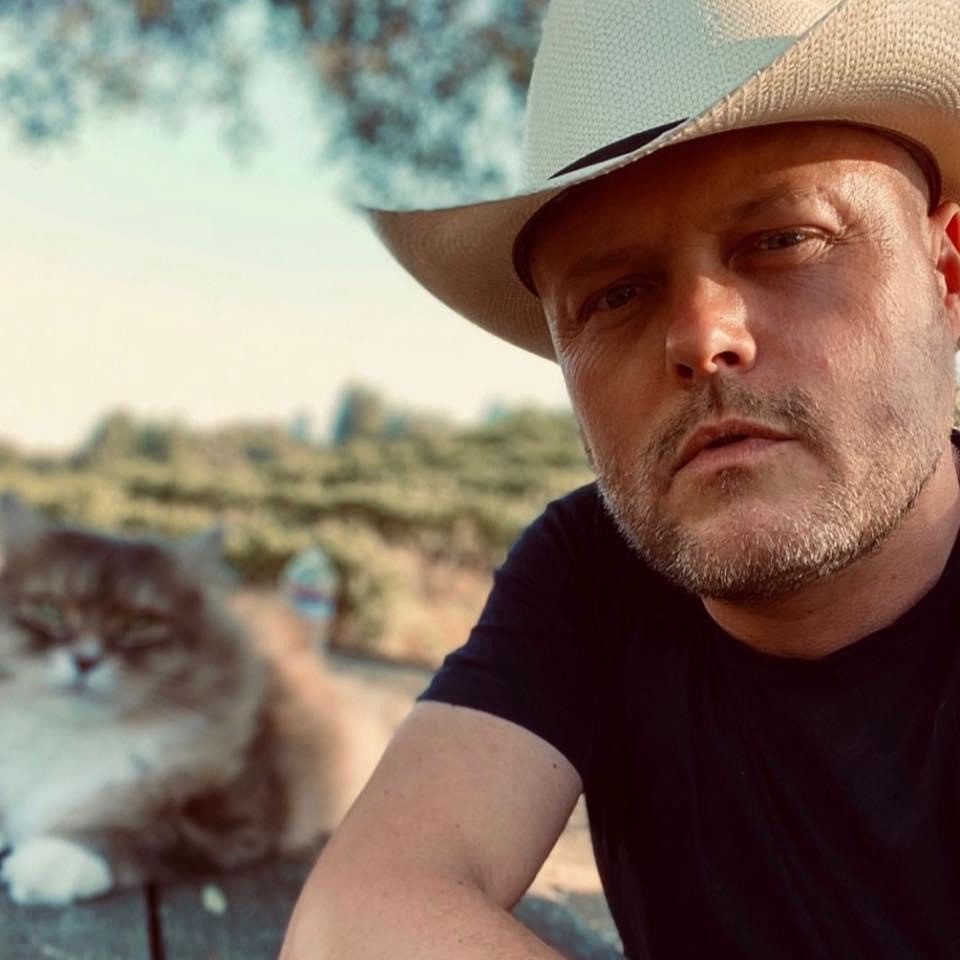
Mit navn er Brian Nygaard – vil du se min playliste?

30. march
»Musik er sjælens sprog. Den korteste vej mellem mennesker adskilt af afstand, tid eller savn. Udover poesi, er musik det tætteste, vi kommer på kærlighed uden fysisk berøring. Musik er en større energikilde end fossile brændstoffer og musik kan vise os verdner, vi ikke vidste fandtes – inde i os selv. Få ting kan få os til at lette røven hurtigere end musik kan. Og nærmest intet andet kan endelig få os til at holde kæft.«
 
Brian Nygaard er journalist hos Weekendavisen, hvor han skriver om cykelsport og kunst. Der udgiver han også nyhedsbrevet Hjertets Bjerge, der tilbyder en anderledes refleksion over den gamle sport. Han har udgivet flere bøger om samme emne, blandt andet Iltgæld sammen med kunstneren Erik A. Frandsen (Gyldendal 2020). Han arbejder også som ekspertkommentator hos DR under Tour de France. Nygaard har en kandidatgrad i filosofi fra Aarhus Universitet med speciale i semantik og epistemologi, men det teoretiske har ikke tynget hans virke de seneste år, hvor han udover journalistgerningen er begyndt at producere pinot noir fra det kolde klima ved Stillehavskysten i det nordlige Californien under sit nye label, Oceanic.
kortkritik

The Cello Within the Comfort Zone

Josefine Opsahl: »Cytropia«
© Lis Kasper Bang
© Lis Kasper Bang
27. march

There are twelve tracks on Josefine Opsahl’s album Cytropia, each with the duration of a rock song. Remarkably, there is a straight line from the first to the last – both in timbre, rhythm, melody, atmosphere, and playing. The ears are embraced by a gentle melancholy created by small cello figures in long sequences, with a slow-moving cello melody on top. Some parts in minor, others more open.

She is receiving quite a lot of praise these days for her many projects – an opera and a ballet – alongside her work as a cellist-composer, and it must almost be due to the highly accessible, cohesive, and dreamy sound she consistently delivers. I must admit that I have become somewhat skeptical along the way. Both as a musician and as a composer, I wish she would challenge herself with new approaches and new visions for the stories her music should tell. On Cytropia, we approach a constant state of uniform sound, evoking thoughts of the deliberate inertia of New Age composers.

There are quite beautiful moments along the way. The track »Cyborg« is crystal-clear in its surface. A piece like »Leaverecalls«, in its mechanics, the American minimalism of Philip Glass. But once again, one misses displacements and rhythmic additions that could challenge the static soundscape. The last hundred years of experimentation have expanded the battlefield of cello playing. Opsahl draws on some of these experiences to create her own small mechanical accompaniments for herself. Yet, the setup with a sequencer and a cello seems limiting in allowing Opsahl to explore timbres and ideas where the gravity of melancholy can truly be felt.

kortkritik

Celloen inden for komfortzonen

Josefine Opsahl: »Cytropia«
© Lis Kasper Bang
© Lis Kasper Bang
27. march

Der er tolv skæringer på Josefine Opsahls album Cytropia, hver af en rocksangs varighed. Bemærkelsesværdigt nok er der en lige linje fra den første til den sidste – både klangligt, rytmisk, melodisk, i stemningen og i spillet. Ørene omfavnes af en let melankoli skabt af små cellofigurer i lange sekvenser med en langsommelig cellomelodi ovenpå. En del i mol, andet mere åbent. 

Hun får ret meget ros for tiden for sine mange projekter – en opera og en ballet – ved siden af produktionen som cellokomponist, og det må næsten være på grund af den meget tilgængelige, helstøbte, drømmende sound, hun er garant for. Jeg må indrømme, at jeg er blevet lidt skeptisk hen ad vejen. Både for hende som musiker og som komponist vil jeg ønske, at hun udfordrede sig selv med nye tilgange og nye visioner for, hvilke historier hendes musik skal fortælle. På Cytropia nærmer vi os en konstant tilstand af ensartet lyd, der får tankerne hen på new age-komponisternes bevidste inerti. 

Der er ret smukke tilstande undervejs. Nummeret »Cyborg« er glasklart i sin overflade. Et nummer som »Leave« minder i sin mekanik om amerikansk minimalisme, som Philip Glass kan skrive den. Men igen savner man forskydninger og rytmiske tilføjelser, der kan udfordre det statiske lydbillede. De sidste 100 års eksperimenter har udvidet kampzonen for cellospillet. Opsahl bruger nogle af de erfaringer til at skabe sine egne små mekaniske akkompagnementer til sig selv. Alligevel virker setup’et med en sequencer og en cello begrænsende for, at Opsahl kan nærme sig klange og ideer, hvor melankoliens alvor kan mærkes.

Playliste

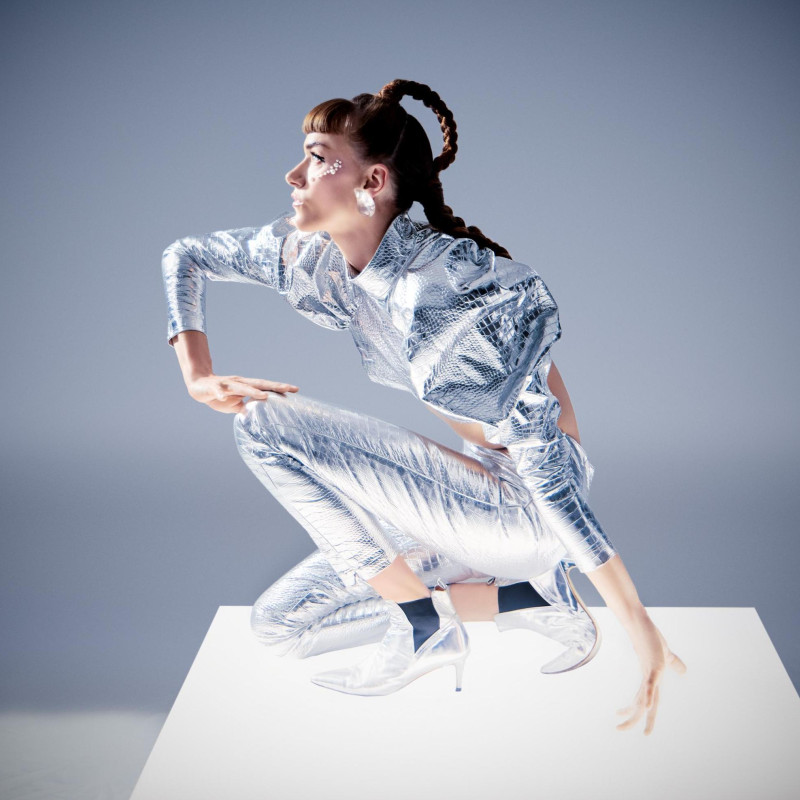
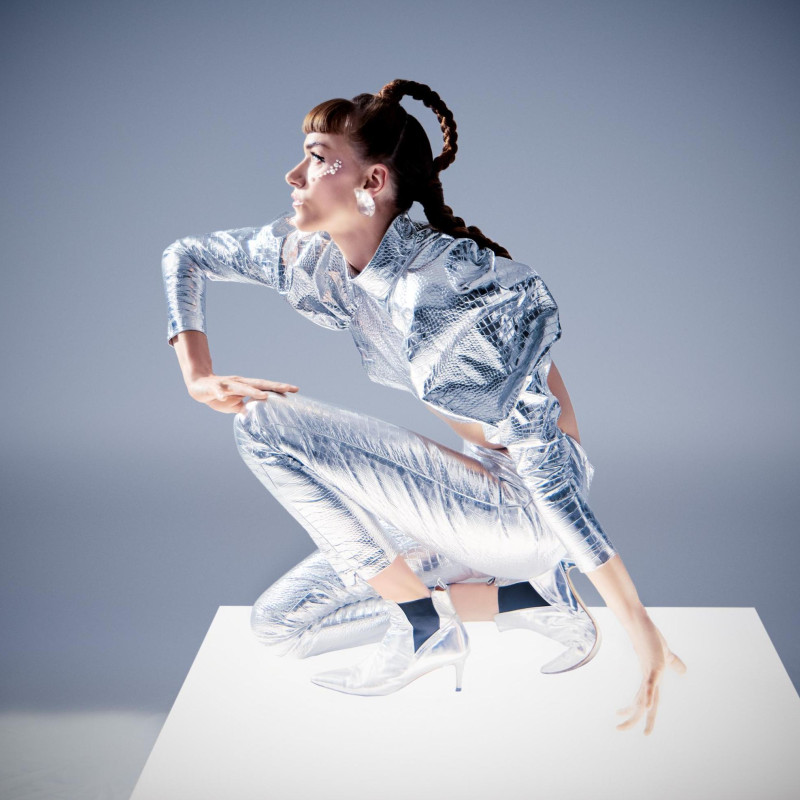
We are NEKO3 – would you like to see our playlist?

26. march
»Music is like an ancient mineral, containing a history of wisdom reaching over centuries, stratifying and evolving into new forms. It is like a black hole, wrapping around us and allowing us to temporarily escape the noise of the world.
An emotional safe zone, a place for solace, a bringer of light, a unifying factor. It is us.«
 
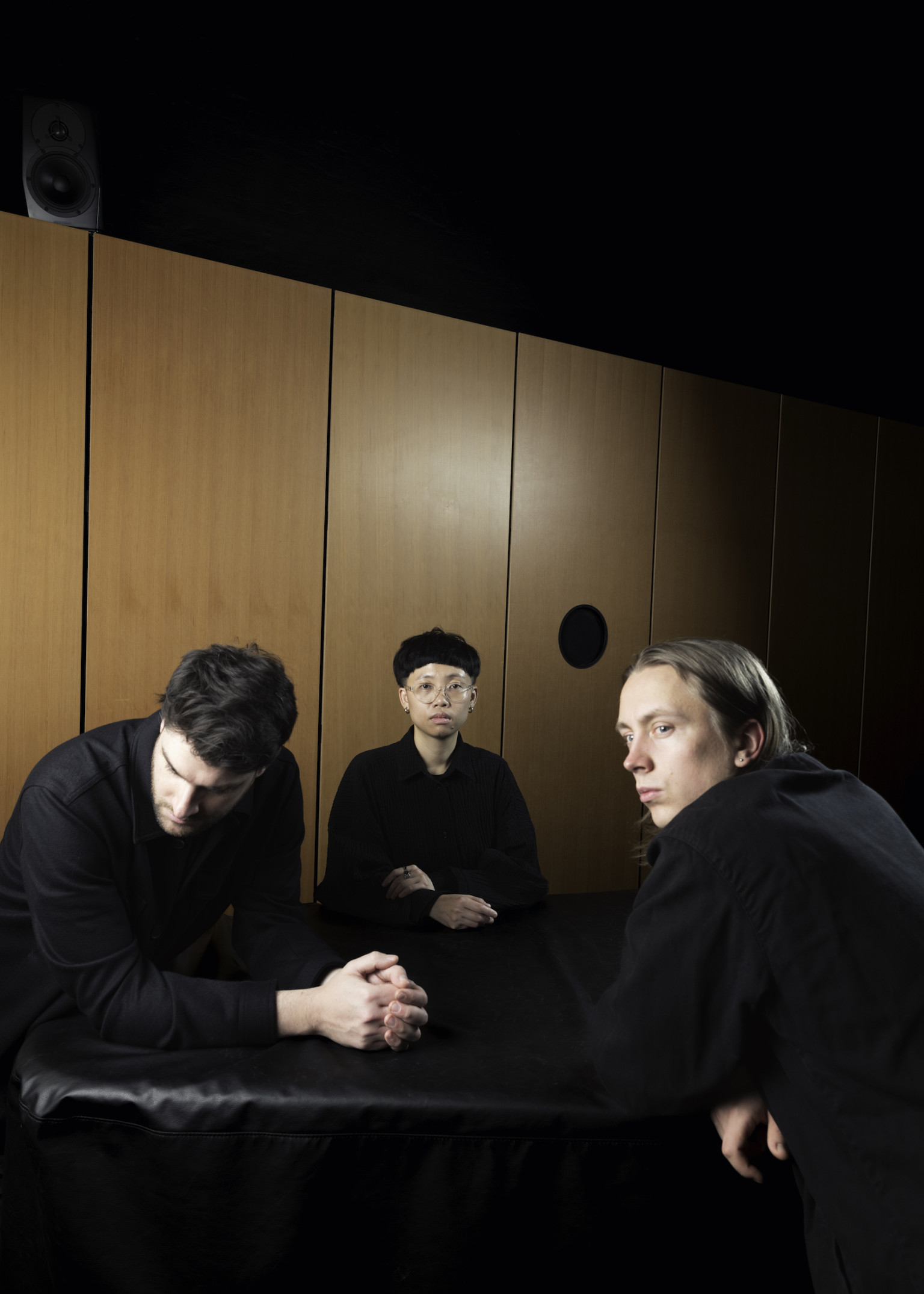
NEKO3 is a Copenhagen-based experimental music group consisting of: Fei Nie, Lorenzo Colombo and Kalle Hakosalo. The group is working towards the creation of a new musical language, flexibly moving between various performance media and artistic expressions. Continuously collaborating with composers and other creators of art, it seeks to integrate music and other forms of art into one conceptual whole.


NEKO3 has performed at Festival Internacional de la Imagen, SONICA Glasgow, cresc... Biennale, Time Of Music, Rondò, MINU festival, Copenhagen Light Festival, Unerhörte Musik and Spor Festival. They have been featured as soloists with the Danish National Symphony Orchestra and the Aarhus Sinfonietta, and given workshops and presentations at ie. Standford University, the Royal Danish Academy of Music, Hochschule für Musik und Theater Hamburg, University of California San Diego and Kungliga Musikhögskolan (SE). The ensemble has recorded multiple EP’s and released their first full length album Angel Death Traps in collaboration with Alexander Schubert in 2024.
kortkritik

Echoes from a Forgotten Time

Raed Yassin: »Phantom Orchestra«
© PR
© PR
26. march

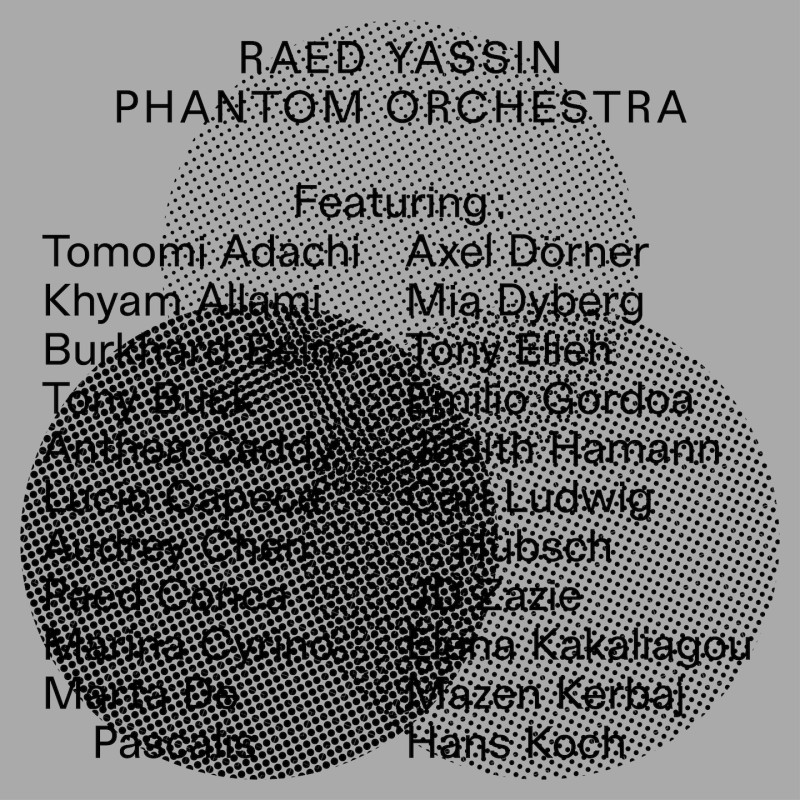
The abstract, collage-like »Movements« on Lebanese artist Raed Yassin's Phantom Orchestra are yet another piece of contemporary art born out of the COVID-19 crisis. Like a distant echo from a time most have already repressed, the experimental artist has assembled a series of recordings performed by a motley group of Berlin musicians – all united by a single premise: improvisation.

Over nearly an hour, Yassin weaves these recordings into seven progressive suites, ranging from approximately nine to twenty minutes. And while the sonic chaos at times reaches such heights that one struggles to find a common auditory anchor, the result is a creatively stimulating listening experience, as hand-played percussion, Baltic folk singing, and the Japanese koto (harp) seamlessly merge – despite the musicians never having been in the same room together.

At its core lies an immensely inspiring concept, one that draws equally from sampling aesthetics and contemporary art. This is particularly evident considering that the pieces were reportedly created using no fewer than twelve turntables, introducing an element of chance. One can only assume that this required a remarkable degree of planning – which makes it all the more astonishing when, for instance, the interplay between modular synths and drums on »Movement III« unfolds, or when the almost horror-like contrast between happy jazz trumpet, frantic vocals, and demonically prepared piano emerges on »Movement IV«.

At times, the idea behind the work is more fascinating than the sound itself, but all in all, Phantom Orchestra is a dazzling, slightly mad experiment, driven by a will to create harmony in chaos. A final echo of the pandemic – of standing together while apart.

English translation: Andreo Michaelo Mielczarek