kortkritik

Doing it anyway

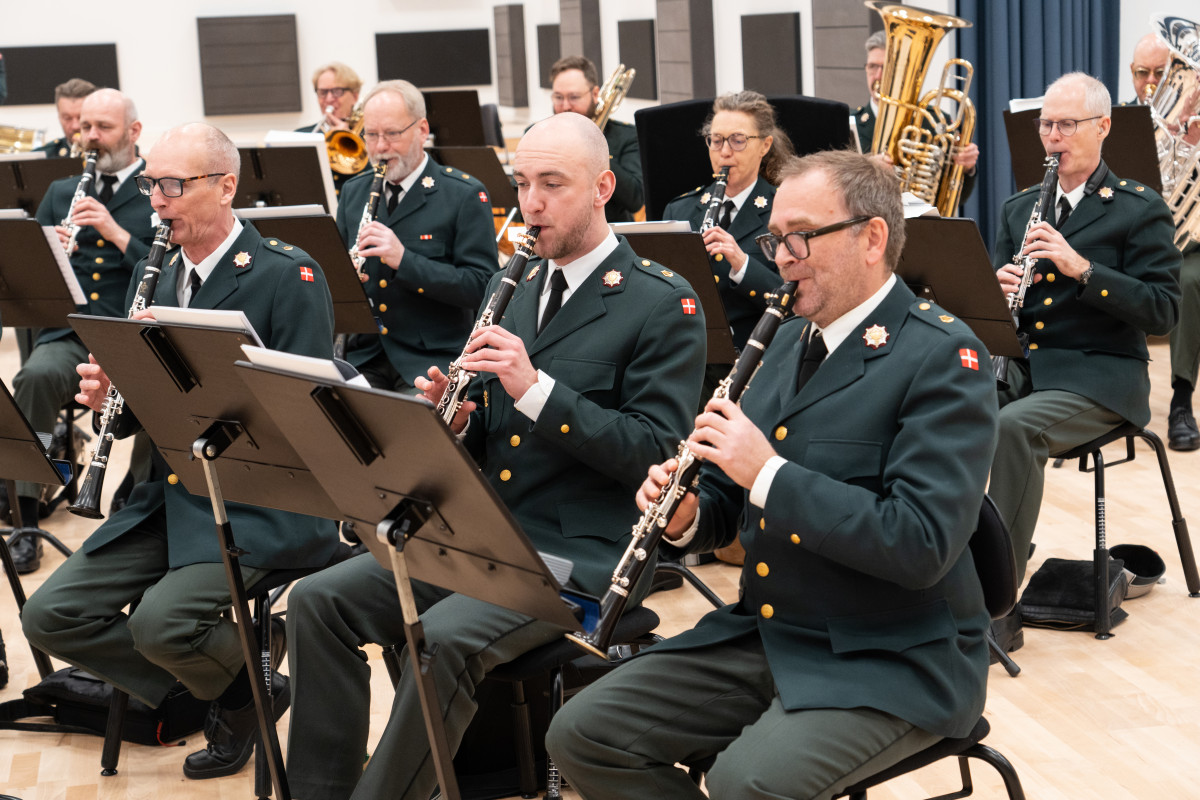
Mikkel Schou: Debut Concert I-II
Mikkel Schou. © The Royal Danish Academy of Music
Mikkel Schou at his Debut Concert. © The Royal Danish Academy of Music
16. march

Schou is a powerhouse – unafraid to try new things, push himself in new directions, and pull us all along with him. We sorely need this energy, and we are lucky to have Schou and his do-it-anyway attitude.

But sometimes do-it-anyway needs tempering a little. Schou spoke about how he prepared this concert without guidance from his teachers. Brave, but I missed a guiding hand, a sharper focus. Both concerts were too long, and not always coherent. I sensed an artist who has defined himself by who he isn’t, but not yet by who he is.

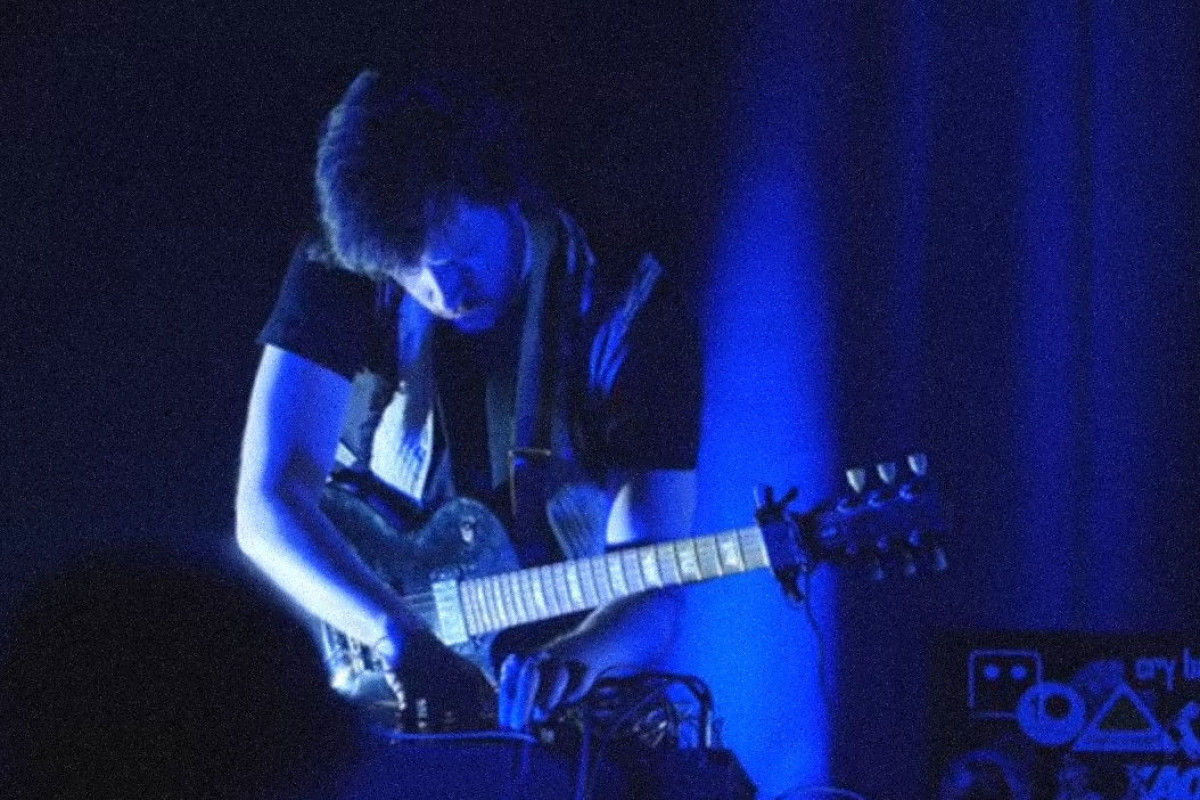
Still, there were glimpses of a unique personality. Stefan Prins’ Generation Kill was an odd choice to start a debut concert with – Schou’s back was facing the audience, and the piece did little to highlight his skills as a performer (I also hated the piece, but that’s a personal matter). So I’m going to pretend that the concert started with Johannes Kreidler’s Guitar Piece – a vile little video-nasty to which Schou fully committed. A perfect manifesto – the absolute nerve of presenting two years of soloist class education by eating your guitar. I wish we’d had more of this playfulness.

But the energy sagged with a disparate selection of pieces that seemed more like a composer class concert than a presentation of a fresh artistic profile. Props to Schou for this – using your debut concert to focus on younger composers is bold, and should be celebrated. I just wish we’d had more Schou. My highlight was Emil Vijgen’s Photobooth Study, where Schou got to engage with his instrument in a different way, let loose a little, and be a soloist.

Schou may present himself as a force of nature, and he is, but there is an air of sensitivity (reticence, even) to his presence that does not always match up with the pieces being performed. Rob Durnin’s What, de facto could have benefitted from some more ‘fuck you’ attitude – the performance was oddly shy.

The late-night concert’s improvisation was fun: it’s always a joy to see Marcela Lucatelli and Henrik Olsson improvise (although Schou was the clear third wheel). However, the concert was overlong, and did not add much to Schou’s profile. I get that he wanted to show more sides of himself, but, again, it came at the expense of focus. Replacing Esben Nordborg Møller’s bloated Drones with Sarah Nemtsov’s lounge-jazz tinged Seven Colours from earlier would both shorten the concerts and sharpen the intention.

But these things are matters of polish. Schou is a rare and exceptional artist, and deserves accolades for his work and for these concerts. With more confidence and time to refine his vision, there is no doubt that Schou will be an essential fixture on the new music scene for years to come.
kortkritik

Ikke den royale rockstjerne, man kunne ønske sig

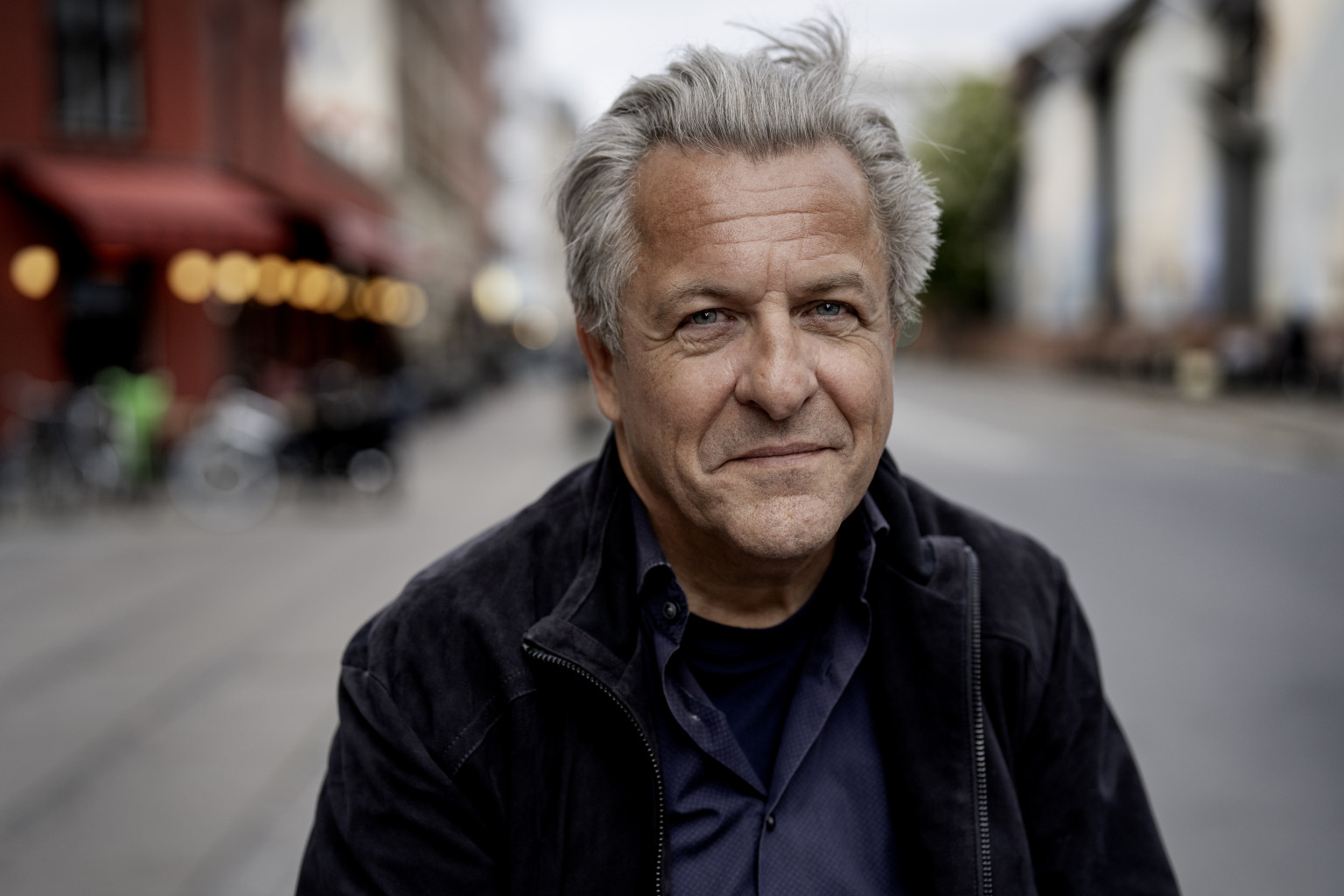
David M. A. P. Palmquist: »Kong Frederik X’s Honnørmarch«
© Kongehuset
© Kongehuset

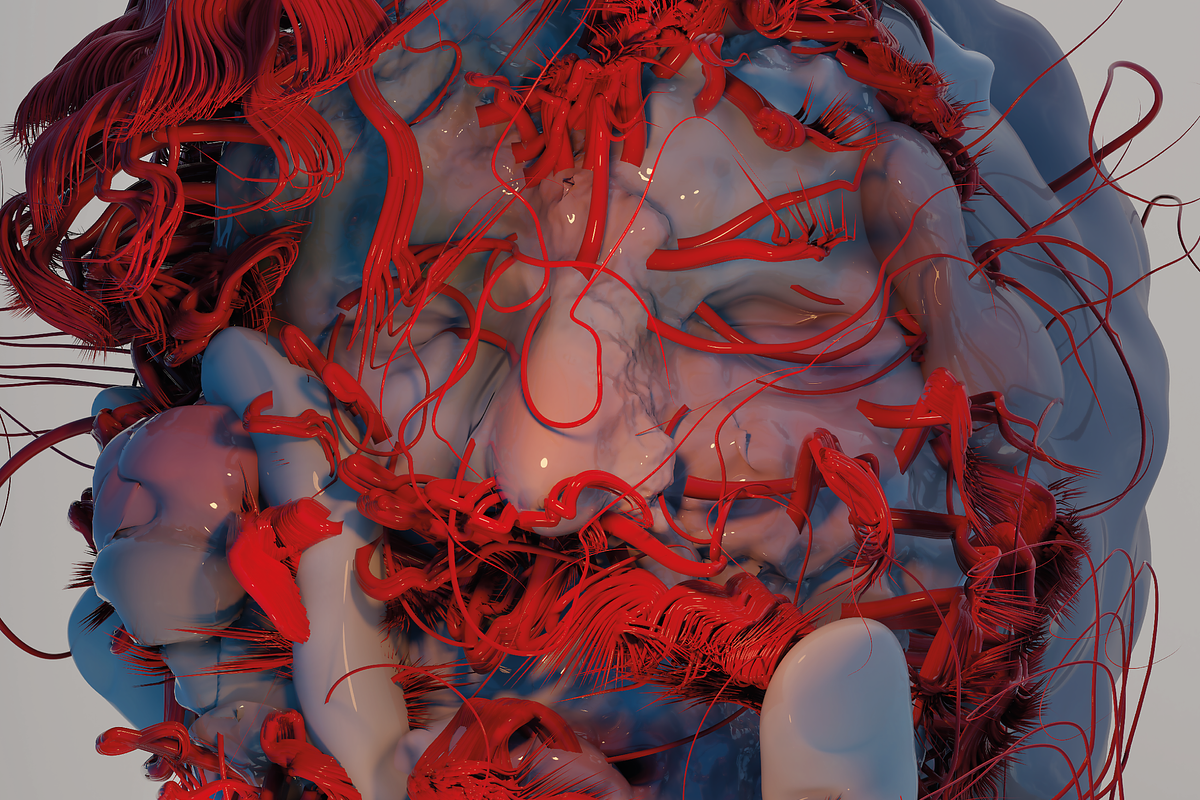
Jeg kan næppe være den eneste, der var ved at få østersen galt i halsen nytårsaften, da Kong Frederik X holdt sin første nytårstale. Sikke en modernisering af den gamle tradition! I stedet for at sidde klar ved bordet, trådte han roligt ind i rummet – et opmærksomhedskrævende rum, hvor et futuristisk vægmaleri stjal fokus. Jeg kunne knap nok høre talen for bare at stirre på det psykedeliske motiv bag ham: en visuel hilsen til Yellow Submarine med The Beatles. Et varsel om en rockstjerne på tronen?

Ønsketænkning, skulle det vise sig. For talen var en parade af forudsigelige floskler. Det samme kan man sige kongens nye honnørmarch, komponeret af David M. A. P. Palmquist, tidligere dirigent i Den Kongelige Livgardes Musikkorps. En traditionsbunden og gumpetung sag, der følger alle kunstens regler. 

Siden H.C. Lumbye i 1861 forærede en march til Frederik 7., har det været en tradition, at medlemmer af den kongelige familie tildeles personlige marcher. Tag den livfulde og selvironiske Dronning Margrethes Parademarch – der både indeholder citater fra »I Danmark er jeg født« og »Daisy Bell«. Eller den tjeppe og skæve Kronprins Frederiks Honnørmarch i seksottendedele – skrevet af Fuzzy i anledning af kongens 30-års fødselsdag – der kipper med flaget til Carls Nielsens »Som en rejselysten flåde«. 

Men hvor er det personlige særpræg i Palmquists march? Komponisten går alt for konceptuelt til værks, når han indledningsvist forsøger at give marchen en signatur med en slags musikalsk rebus. Den første tone er et f, efterfulgt af en tone ti trin højere – sådan staver man til Frederik 10 med noder. Ligeså intern er marchens mange referencer til anden militærmusik. Man savner noget, som bryder med etiketten – præcis som Kong Frederik i sine mest mindeværdige og folkekære øjeblikke. Det ender med at lyde som en march, der har glemt, hvem den er skrevet til. 

Playliste

Mit navn er Jakob Kvist – vil du se min playliste?

29. may
© PR

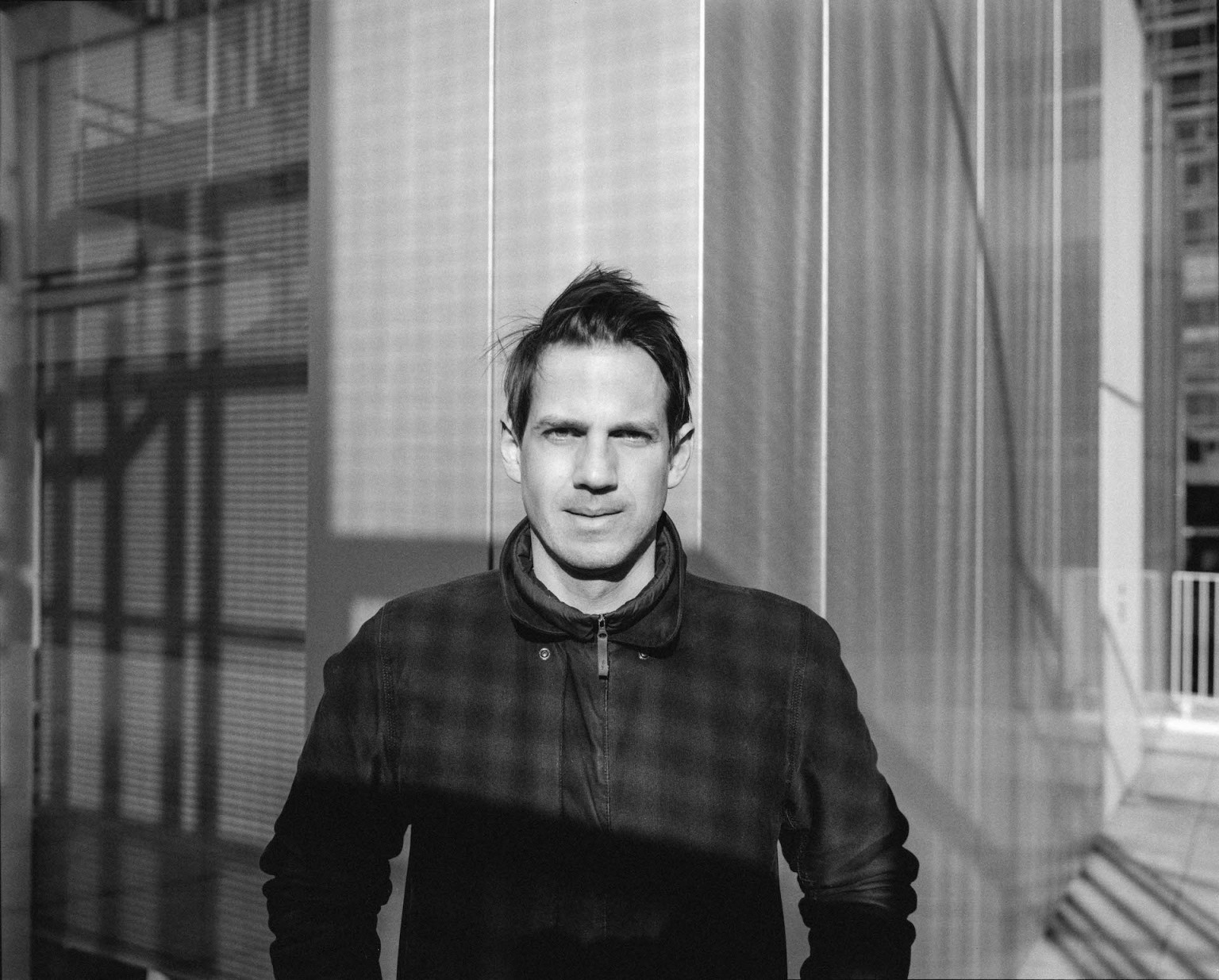
»Musik er meget magisk. Når den er god, er den en direkte vej ind til hjertet, ud til det næste menneske, hen til Vorherre og tilbage igen. Det er glæde og smerte på en uforklarlig klinge, og fra mine yngste dage har musik været altafgørende for mig. Den har formet store klumper af min identitet og været et ubrydeligt kit til mange af de mennesker, jeg har holdt allermest af. I Danmark behandler vi ikke vores musikere særlig godt. Derfor har jeg valgt nogle usmarte sange herfra.« 

Jakob Kvist er journalist, forfatter og forlægger. Han var med til at grundlægge PeoplesPress, ArtPeople og Radio24Syv. I dag er han blandt andet bestyrelsesformand i Impact Press/Momenta, og han har udgivet en lang række bøger, senest Sidste udkald for rejsende Jørgen Leth. Han var gift med sanger og sangskriver Laura Illeborg, der døde sidste år under en koncert i Tisvilde. 

Playliste

My name is Alexandre Bazin – would you like to see my playlist?

29. may
© Clement Beauvais

»Music exploration and creation is not limited to notes, timbres and traditional structures, but extends to everything that shapes the listening experience.«

Alexandre Bazin is a French musician, and documentary producer, active in the experimental music scene at the fringes of GRM. His music is published by Important Records, Umor Rex Records, and Constructive. Bazin began his musical journey early, first studying classical piano at the conservatory before exploring jazz and electroacoustic music. The study of other musical languages has opened new perspectives and led him to rethink music beyond its traditional structures. He discovered a world where sound becomes raw material, and where production plays an essential part. This exploration revealed to him that music creation transcends notes and timbres, encompassing all elements that shape the listening experience, with sound engineering playing a pivotal function in this process. Bazin produces monthly documentaries for Radio France and GRM (Groupe de Recherches Musicales), chronicling the history of the experimental scene from its origins to the present.


kortkritik

When Orpheus Turns His Head

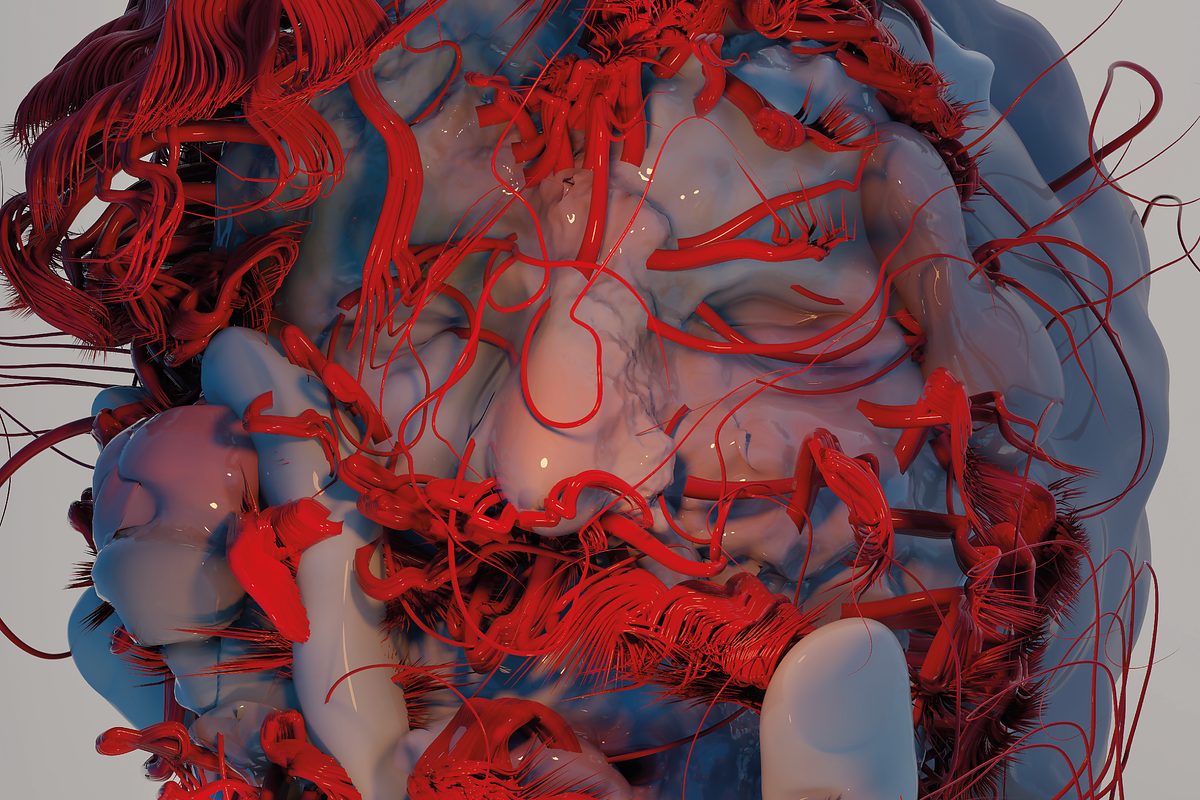
O Future: Enter Afterlife
© PR
© PR
27. may

Thorvaldsens Museum is a fitting place to unfold a narrative about the soul’s journey to the underworld. Not only are the halls filled with depictions of Greek mythology, the museum itself is a kind of mausoleum, with Bertel Thorvaldsen’s grave situated at the heart of an inner courtyard. Everything should align perfectly when the multimedia duo O Future stages the descent into Hades through sound and animated video projections. But it doesn’t.

Through eight rooms and five sound works, we move from the banks of the River Styx, through the underworld, and finally to Elysium, where the blissful afterlife awaits. Along the way, we are confronted with judgment, choice, and struggle – existential themes played out on the grandest scale. The electronic soundscape, delivered through headphones, begins with a simmering, oppressive digital lament and accelerates through the rooms to a heavy electronic beat layered with symphonic undertones. We hear jazzy saxophones, looped synths, and white noise, before safely arriving in a spherical, almost sacred, digital choir.

There’s an intriguing theme in the collision between digital voices and the idea of death, but it is drowned out by the many loose ends of the exhibition. Why, for instance, is there no synchronicity between sound and visuals? Why are videos consistently projected onto sculptures that bear no relation to Greek mythology? And why the oddly synthetic color palette that evokes 1990s MTV more than it does the vast drama the story seeks to evoke? I hurriedly close my eyes and try to focus on the beat – but it’s too late. Orpheus has turned his head, and Eurydice is lost. So is this exhibition.

English translation: Andreo Michaelo Mielczarek

kortkritik

Når Orfeus vender hovedet

O Future: »Enter Afterlife«
© PR
© PR
27. may

Thorvaldsens Museum er et oplagt sted at udfolde en fortælling om sjælens rejse mod dødsriget. Ikke alene er salene fyldt med skildringer af græsk mytologi, museet er også i sig selv et mausolæum med Bertel Thorvaldsens grav i midten af en indre gårdhave. Alt burde altså spille, når multimedieduoen O Future iscenesætter rejsen mod Hades gennem lyd og animerede videoprojektioner. Det gør det bare ikke.

Gennem otte rum og fem lydværker bevæger vi os fra bredden af floden Styx gennem underverdenen og ender i Elysion, hvor det lykkelige efterliv venter. Undervejs konfronteres vi med dommen, valget og kampen – eksistentielle grundtemaer på den helt store klinge. Den elektroniske lydside, som afspilles i høretelefoner, åbner ulmende og murende med en slags digital klagesang og accelererer gennem rummene til et tungt elektronisk beat med symfoniske undertoner. Her er jazzede saxofoner, loopet synth og hvid støj, før vi ender trygt i et sfærisk, nærmest sakralt, digitalt kor. 

Der ligger et interessant tema i mødet mellem de digitale stemmer og forestillingen om døden, men det drukner i udstillingens mange løse ender. Hvorfor følges lyd- og billedside eksempelvis ikke ad? Hvorfor projiceres videoerne konsekvent op på statuer, der ikke hører til den i græske mytologi? Og hvorfor den underligt syntetiske farveholdning, der mere minder om 90’ernes MTV, end om det kæmpe drama, fortællingen slår an? Jeg skynder mig at lukke øjnene og koncentrerer mig om beatet – men det er for sent. Orfeus har drejet hovedet, og Eurydike står ikke til at redde. Det gør denne udstilling heller ikke.