kortkritik

Blood, sweat and Chopin

Jakub Piątek: »Pianoforte«
© PR
© PR

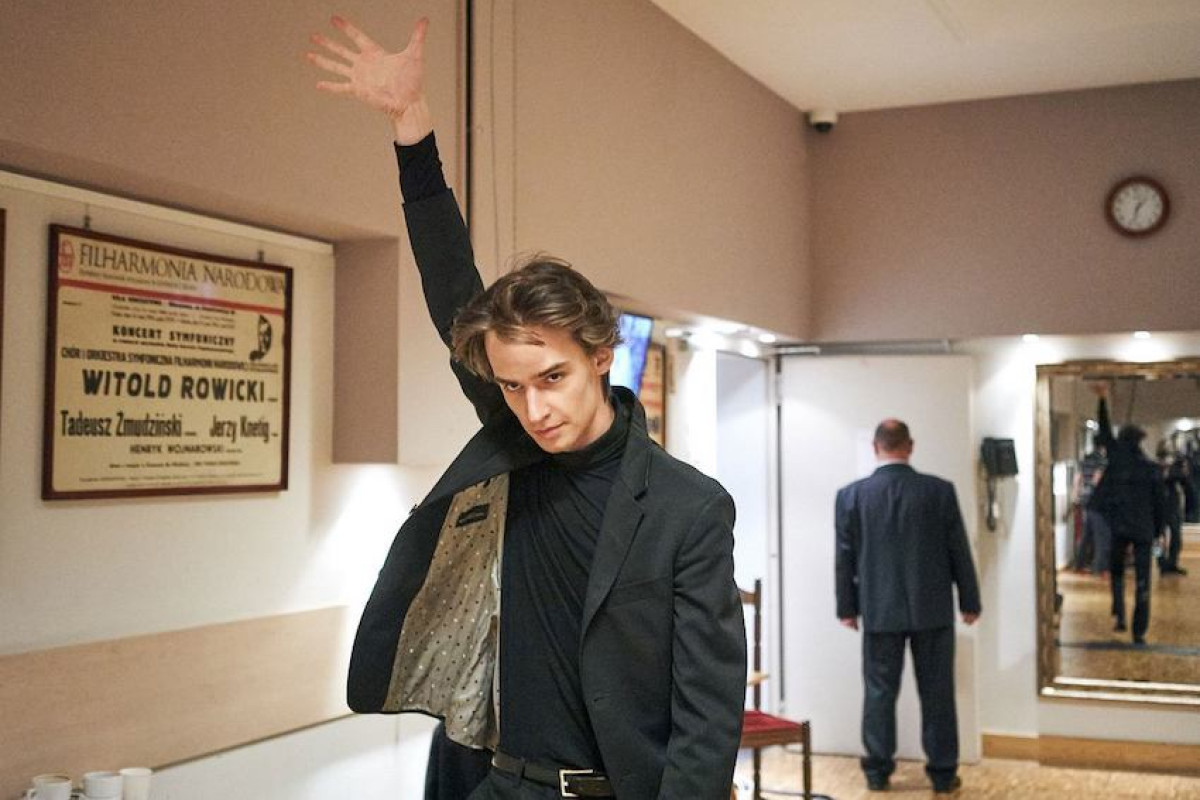
»They are serious machines. They have been training all their lives. They are like the CIA,« it says in the documentary Pianoforte, which follows a number of pianists up to The International Chopin Piano Competition in Warsaw. The young people experience dramas in the music that they have not yet experienced in real life. One will celebrate a possible victory with a Chopin tattoo. Another films himself endlessly with his iPhone: »The more you look like Chopin, the better«. It’s all about Chopin hair. Tangent equilibrium goes hand in hand with attitude and showmanship, which the sensitive pianistic machines must also control. The ecstasy and revolutions of the Polish-French pianistic guru's super-romantic music also demands étude (»practice«, »eagerness«, »interest«, »occupation«).

How to compete in music? Jakub Piątek’s Pianoforte depicts in a raw and moving way these piano-fighters backstage. While their nerves are sweating under their nice concert clothes. While they articulate that there is no plan B. As much as they love the polonaises and nocturnes they play, as much is their absolute respect, coupled with the fear of experiencing a blackout when it is their turn to – perhaps – write the next chapter in this piano battle, which has taken place since 1927 and is as brutal as fist fighting. But also so damn beautiful. It just sounds so damn good when 17-year-old Hao's delicate piano fingers hit the piano in the kitchen at home in China, while his mother is cooking just beside him. Bread and Chopin – that's life!

Translation from Danish: Andreo Michaelo Mielczarek


Playliste

Mit navn er Torben Sangild – vil du se min playliste?

18. august
© PR

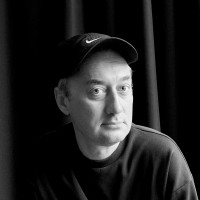
Torben Sangild er skribent, radiovært, anmelder og tidligere kulturforsker. Han har blandt andet skrevet bøgerne Objektiv sensibilitet og Støjens æstetik, der begge handler om musik, og er vært på programmerne Comedy-kontoret og Notesbogen. Planen er, at han nu skal skrive en bog om følelser på Zetlands forlag, et emne, der interesserer ham på lige fod med fornuft og videnskab. Og så er han medlem af Seismografs bestyrelse. Musikalsk set spænder hans interesser vidt, fra ny kompositionsmusik til rock, hip hop og jazz med en forkærlighed for de mørkere stemningslejer.

kortkritik

Viser fra internettets tidsalder

Karen Juhl: »Mother Tongue« 
© Fryd Frydendahl
© Fryd Frydendahl
11. august

Komponisten og den eksperimenterende musiker Karen Juhl har bedrevet et album, der på mange måder følger en folk- eller visetradition, hvor teksten får lov til at diktere musikkens forløb. Men det er viser fra internettets tidsalder, hvor man finder sine samples på YouTube, som »Mother’s Garden«, der har samplet den ægyptiske kunstner Nadah El Shazly. Her er en legesyg tilgang til at manipulere lydkilder, og så er der en underliggende fornemmelse af den kolde ensomhed, som findes i at opholde sig for meget på internettet.

»Bloodlines« er et godt eksempel på en digital vise. En umenneskelig stemme fordoblet af pitch-modulation synger en uforståelig linje efterfulgt af en digital pause – der er intet signal. Pauser er naturligvis ikke en ny opfindelse, men hvor de traditionelt giver plads til, at stemmer og instrumenter kan klinge ud i deres rum, så er en digital pause en total tomhed, der er kold og klaustrofobisk. I resten af nummeret glider Juhls stemme ind og ud af det forståelige. Det kan virke farligt at gøre dele af en tekst om vold, der går i arv uforståelig, men følelserne bliver aldrig uforståelige. Følelserne får bare nye udtryksformer, og det er næsten mere hjerteskærende, når man hører en stemme helt tæt på sit øre blive revet itu af distortion og stemme-effekter. 

Playliste

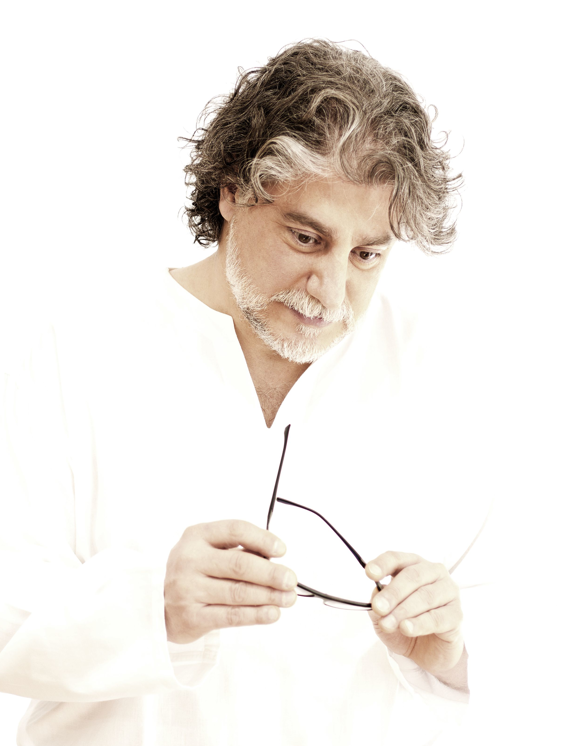
My name is José Cura – would you like to see my playlist?

5. august
© Zoe Cura

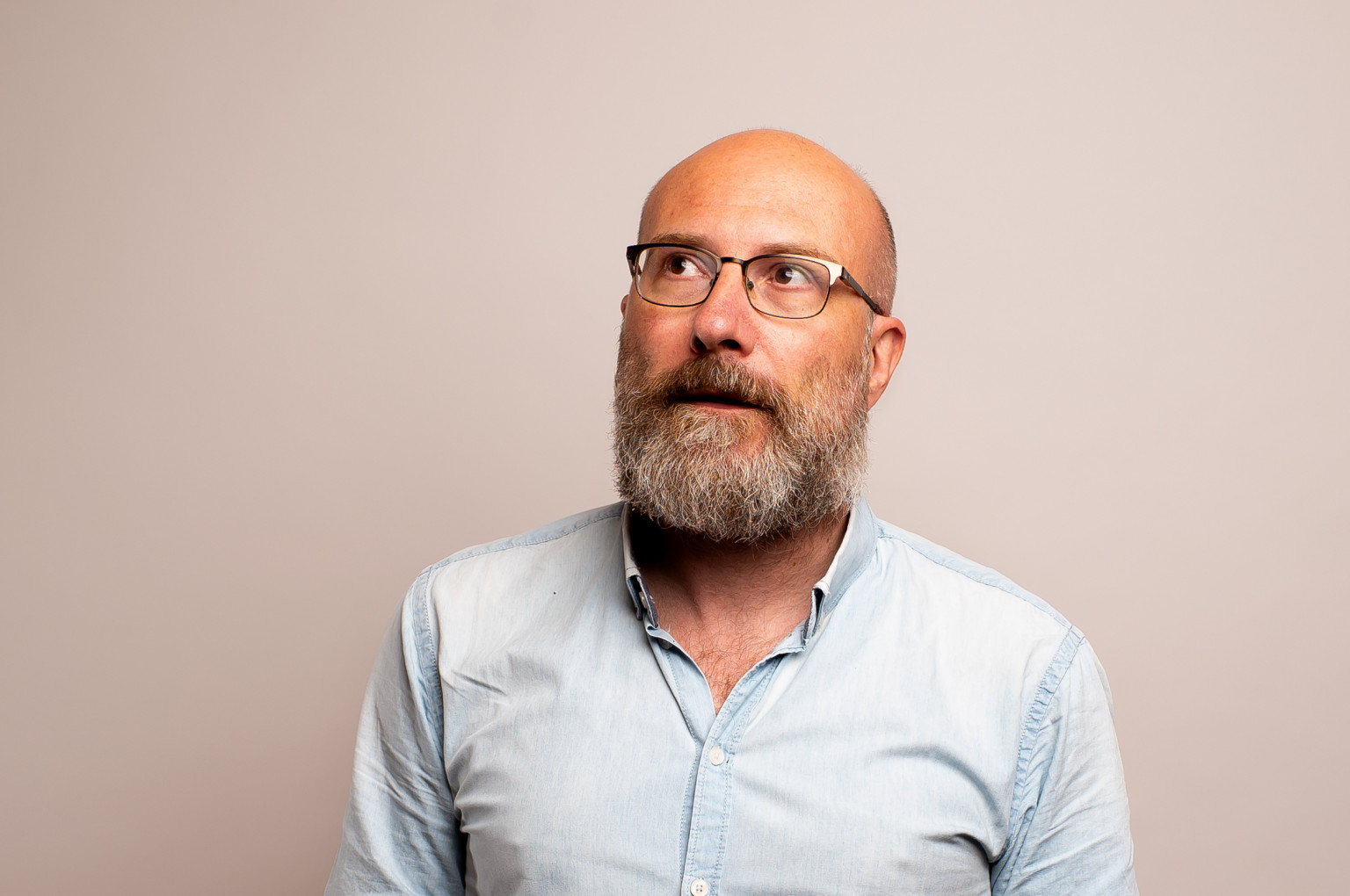
»You put me in a complicated situation because I don’t usually listen to music. After hours 'doing' music, my preferred sound is silence… And I am not kidding. But here are some songs I love to hear when I break the silence, sometimes on a Sunday at home«. ​José Cura was engaged to direct Den Jyske Opera's version of ​Puccini's Tosca​ in Aarhus.​ But ​a few weeks ago Cura ​decided to perform the main character Cavaradossi at the premiere​. Cura is famous for his intense and original interpretations of opera characters, as well as for his unconventional and innovative concert performances​. He ​is originally trained as an orchestral conductor, and made history when he first conducted Pietro Mascagni's opera Cavalleria Rusticana and then stepped on stage after intermission to sing.

Playliste

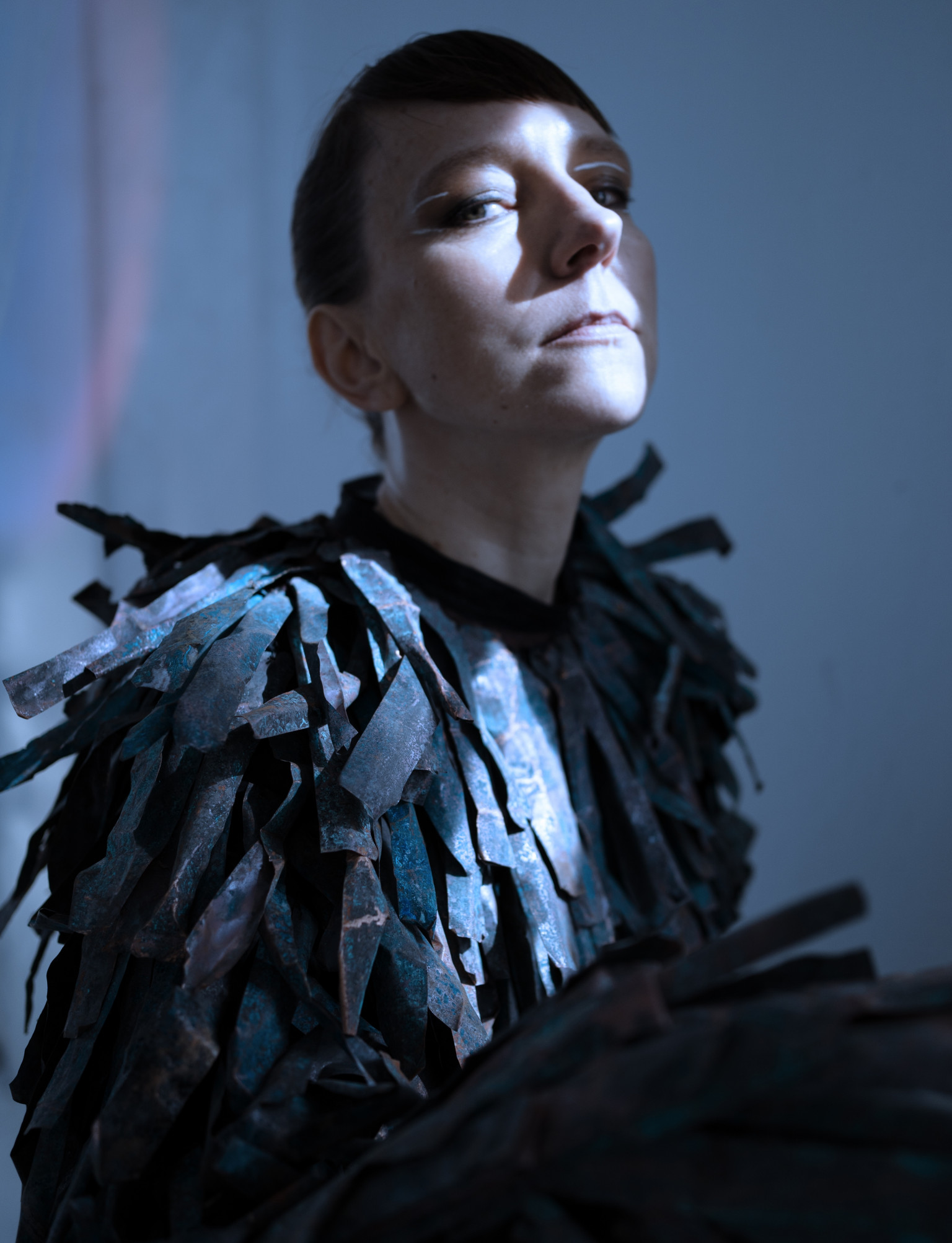
My name is Johanna Sulkunen – would you like to see my playlist?

17. july
© PR

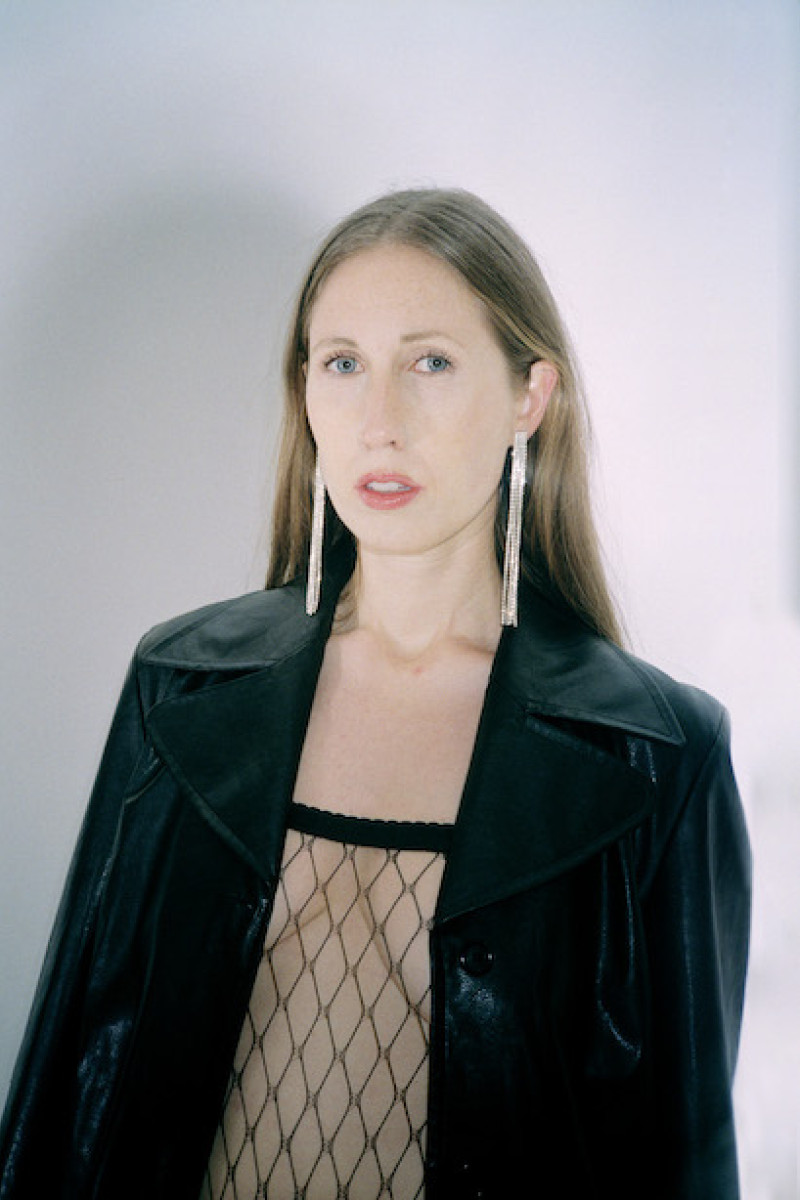
Johanna Sulkunen is a Finnish experimental jazz vocalist, composer, and improviser based in Copenhagen, Denmark. She has released and produced four critically acclaimed albums on her own name and several others in collaboration with others. She a part of the award-winning improv. vocal ensemble IKI. In 2018 she launched the experimental solo project Sonority, and ever since the symbiosis of vocals and electronics has been at the center of her career. She has co-operated, with iconic jazz & improv musicians as well as worked on various interdisciplinary projects, collaborating with dancers, poets, and filmmakers and with electronic musicians. Originally labeled as an exciting voice on the alternative jazz scene, Sulkunen has expanded her range of work to span everything from jazz to free improvisation, electronic music, neo-classical, and avantgarde. Her latest album Terra (2022) was nominated as the Jazz Album of the Year in Danish Music Awards. She is soon to release her next album, the third part of the trilogy Sonority. 

kortkritik

There are holes in these tones from Theresienstadt

Susan Philipsz: »Study for Strings Sokol Terzín«
© Jens Henrik Daugaard

Two solitary instruments – viola and cello – are heard on separate soundtracks by separate video screens showing footage from the former concentration camp Theresienstadt: peeling walls, cobwebs, a lifeless gym hall. The composition they play was created here; the Czech-Jewish composer Pavel Haas (1899-1944) wrote an orchestral piece that the Nazis used as the soundtrack to a propaganda film about Theresienstadt. We don't hear any orchestra. This is why the two instruments sound so abandoned. Although they also talk together; tones are repeated many times, as if they are trying to breathe life into the empty spaces. The melodic lines are detached from the context they should be in, but cannot be in, because the composer was taken to Auschwitz and murdered shortly after he performed the piece.

Like other Holocaust representations, Turner Prize-winning Scottish artist Susan Philipsz lets us see that the visible traces of the atrocities have disappeared. The camera makes an effort. In that resounding emptiness, ghostly garlands of mismatched tones resound. They are full of holes – there should have been more musicians to make this piece of music sound right. In the speakers, the cello and viola sound almost electric, eerie, it's all so slow, the tones are stretched until they can't do it anymore. In his book Images in Spite of All the art theorist Georges Didi-Huberman defended using all images that exist from the atrocities. The same here: Haas' music calls to be heard, not forgotten. They are sounds, after all. Amputated, seeking for beauty, or remnants of something seeking for beauty. For no composer – even under the worst conceivable conditions – makes music that is deliberately evil.