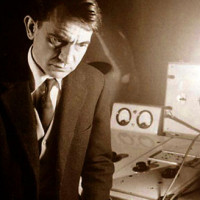
Pierre Schaeffer

French composer, writer, broadcaster, engineer, musicologist and acoustician of the 20th century. His innovative work in both the sciences —particularly communications and acoustics— and the various arts of music, literature and radio presentation after the end of World War II, as well as his anti-nuclear activism and cultural criticism garnered him widespread recognition in his lifetime.

Amongst the vast range of works and projects he undertook, Schaeffer is most widely and currently recognized for his accomplishments in electronic and experimental music,[2] at the core of which stands his role as the chief developer of a unique and early form of avant-garde music known as musique concrète.[3] The genre emerged out of Europe from the utilization of newmusic technology developed in the post-Nazi Germany era, following the advance of electroacoustic and acousmatic music.

Schaeffer's writings (which include written and radio-narrated essays, biographies, short novels, a number of musical treatises and several plays)[1][3][4] are often oriented towards his development of the genre, as well as the theoretics and philosophy of music in general.[5]

Today, Schaeffer is considered one of the most influential experimental, electroacoustic and subsequently electronic musicians, having been the first composer to utilize a number of contemporary recording and sampling techniques that are now used worldwide by nearly all record production companies.[2] His collaborative endeavors are considered milestones in the histories ofelectronic and experimental music.

essay

Gender, Canon, and Eastern European Women Pioneers of 20th-century Electronic Music

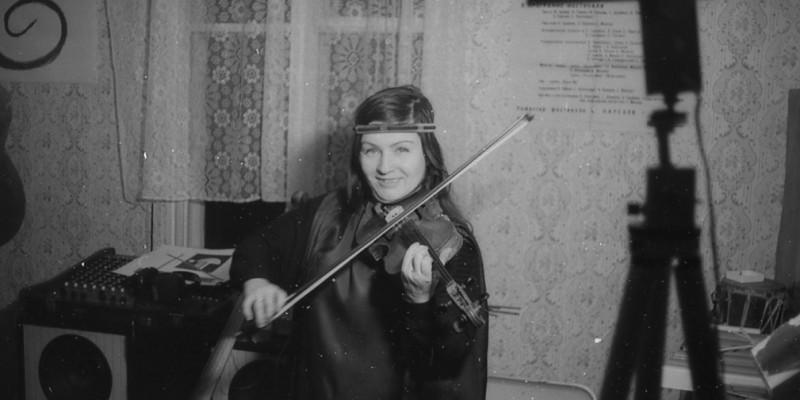
Valentina Goncharova. © Shukai / Quietus
24. november 2024 – Feminist readings of 20th-century electronic music history cannot avoid questioning the notion of canon and canon-oriented historiographical practices. Shedding light on women composers from non-Western contexts can further come in handy in searching for ways to engage with the history of gender in music beyond mainstreaming and the rhetoric of exceptionalism.

Af
  • Marta Beszterda van Vliet
kritik

How we learned to love repetition

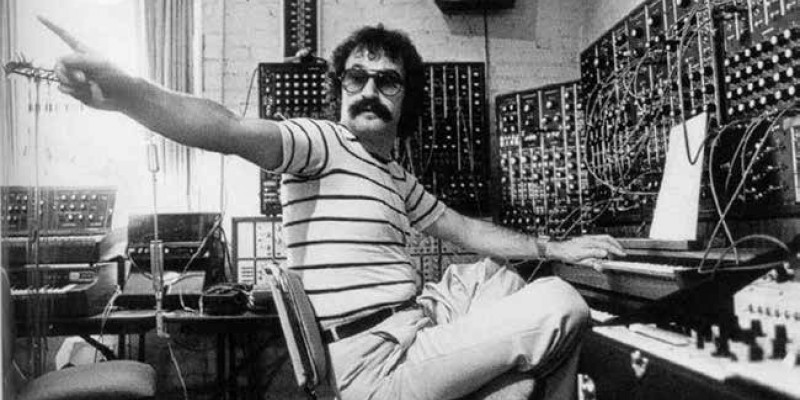
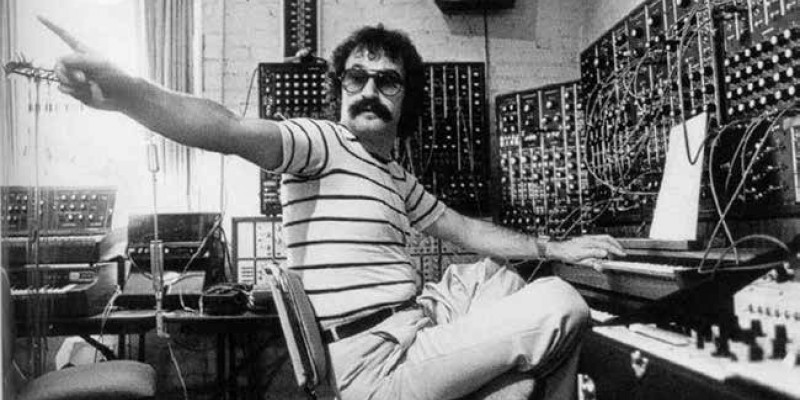
Giorgio Moroder. © PR
13. Februar 2024 – There are very few forces as powerful as insistent repetition. The German media critic Tilman Baumgärtel has written a poetic, knowledgeable and surprising book about the loop.
Af
  • Sune Anderberg
kritik

Hvordan vi lærte at elske gentagelsen

13. Februar 2024 – Der findes ganske få kræfter, der er så stærke som den insisterende gentagelse. Den tyske mediekritiker Tilman Baumgärtel har skrevet en poetisk, vidende og overraskende bog om loopet.
Af
  • Sune Anderberg
kommentar

Linien II’s lydeksperimenter er musik

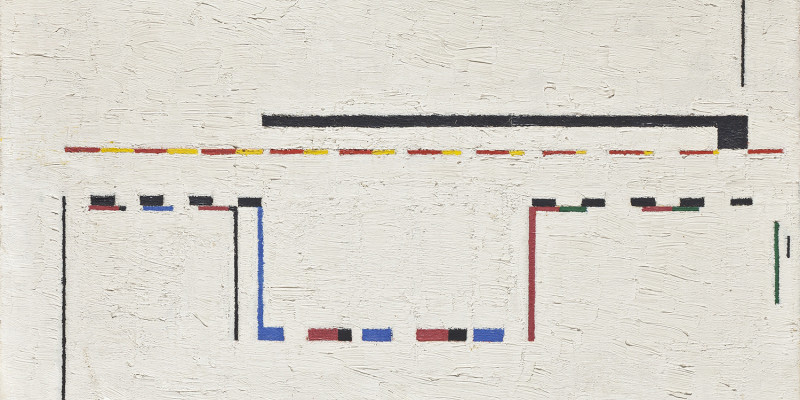
Richard Winther: »Rytmer« (1948). Privateje. Foto: Ole Akhøj.
17. september 2022 – Hvordan forstår vi 1950’erne i dansk musik? Skal historien om den tid skrives anderledes? En kommentar til udgivelsen »Linien II 1948-49« fra Institut for Dansk Lydarkæologi.
Af
  • Michael Fjeldsøe
interview

Arkivets ondskab

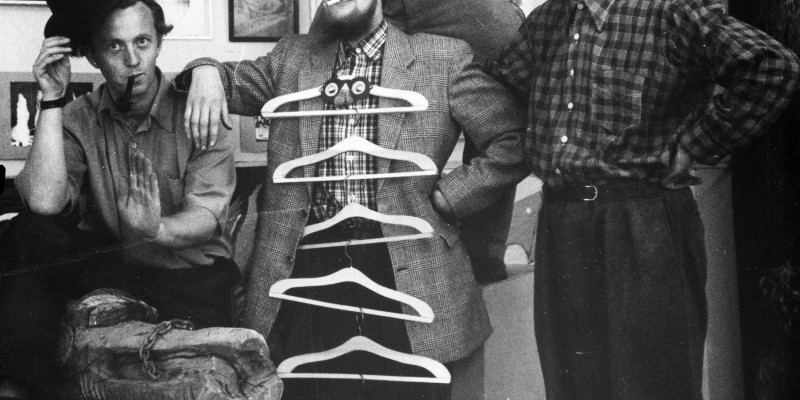
© Linien II i 1947_fra venstre Ib Geertsen_Richard Winther_Bamse Kragh-Jacobsen øverst_Niels Macholm_Foto Vittus Nielsen Ritzau Scanpix.jpg
21. Februar 2022 – To lakplader fra 40'erne med den tidligste danske lydkunst er dukket op og er blevet renset for den værste skimmelsvamp. Pladerne indeholder lydlige eksperimenter af fem danske billedkunstnere fra kunstnersammenslutningen Linien II. Rykker værkerne ved den danske musikhistorie? Er de interessante som andet end et udtryk for kunstnerisk selvforkælelse? 
Af
  • Rasmus Weirup